'Largest oil supply disruption' in history due to Mideast war — IEA
IEA members agree to release 400 million barrels of emergency stocks to stabilise market
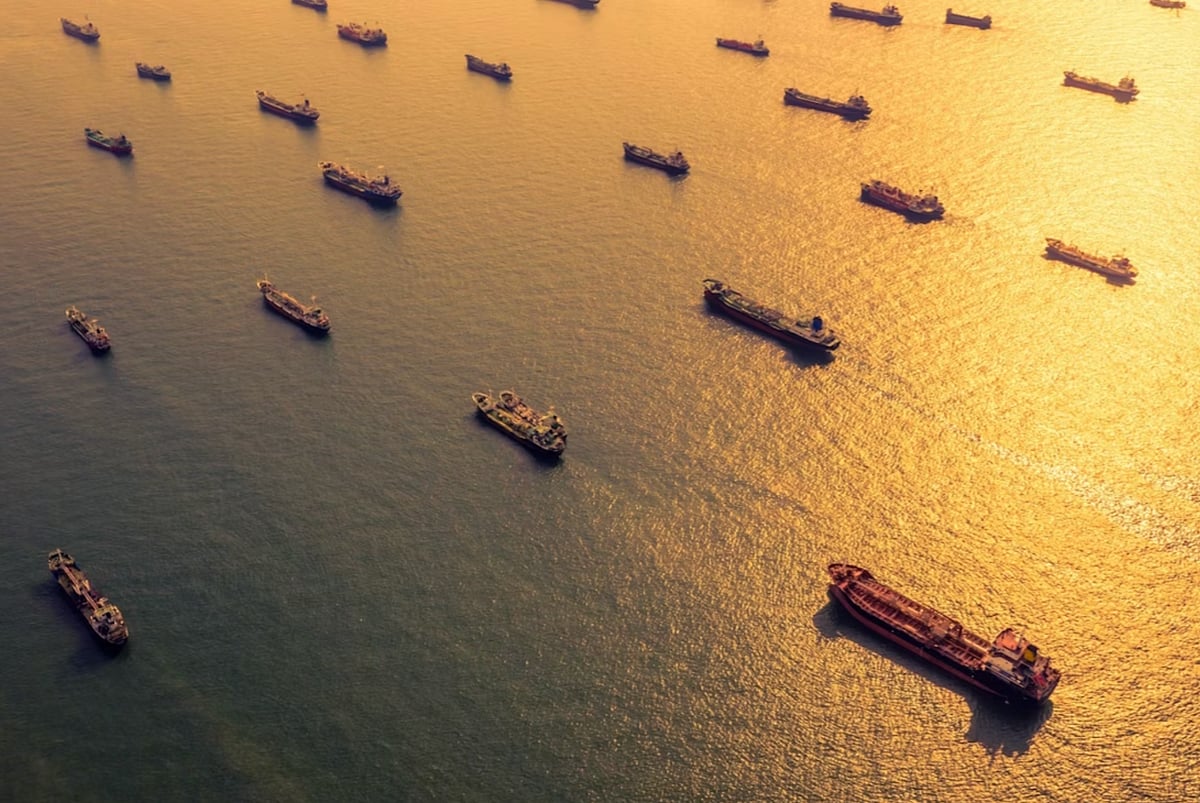
An "unprecedented volume" of crude oil has been "removed" from global supply due to the conflict affecting oil exports from the Gulf, according to the International Energy Agency (IEA).
In its latest market report, the world’s main energy watchdog has stated that the conflict has already reduced oil output from Gulf countries by at least 10 million barrels per day, roughly 10% of global demand.
The agency then warned: the global oil market risks further losses if tanker traffic does not resume soon.
What supply disruption means
In practical terms, the "disruption" refers to massive cuts in oil production and shipping flows from Gulf producers after attacks on energy infrastructure and tanker routes linked to the war involving Iran.
To cushion the shock, the agency coordinated the largest emergency release of oil reserves ever, totaling 400 million barrels from member countries’ strategic stockpiles.
Disruption through Hormuz
Energy analysts summarised the scale of the crisis with stark language. The IEA warned that the Middle East war is creating “the biggest oil supply disruption in the history of the global oil market.”
This reflects the possibility that up to one-fifth of global crude exports — normally moving through the Strait of Hormuz — could be disrupted.
Tanker traffic in the strait has sharply declined as ships avoid the area after attacks and threats.
Because many major exporters — Saudi Arabia, Iraq, Kuwait, and the UAE — depend on the same narrow route to ship oil, a sustained shutdown could remove tens of millions of barrels per day from the global market.
Why this disruption is so severe
Energy markets are especially vulnerable to shocks in the Gulf because the region is the largest oil export hub on Earth.
Three factors explain the unprecedented scale:
Concentration of supply: About 20% of the world’s oil consumption passes through the Strait of Hormuz, meaning disruptions there immediately affect global energy flows.
Multiple simultaneous disruptions: The crisis is not limited to tanker traffic. Reports cite attacks on ships, threats to ports, and damage or shutdowns at regional energy facilities — all of which compound the supply shock.
Limited alternatives: Unlike pipelines, most Gulf exports rely on maritime routes with few substitutes. If the strait closes, many producers have no immediate alternative path to global markets.
Record reserve release
To stabilise markets, the IEA coordinated a 400-million-barrel release of emergency oil stocks, far larger than the 182-million-barrel intervention following the Russia-Ukraine energy crisis in 2022.
The US Department of Energy has also announced the release 172 million barrels from its strategic reserves.
However, analysts say the release may provide only temporary relief.
Even a large stockpile drawdown cannot fully offset the loss of millions of barrels per day if Gulf exports remain blocked.
Logistics also slow the impact: oil released from reserves can take weeks to reach refineries, particularly in Asia where demand for Middle Eastern crude is highest.
Markets react
The latest update from the IEA highlights a fundamental vulnerability in the global economy: energy supply remains highly dependent on a few strategic regions.
Past crises — such as the 1979 oil crisis — triggered huge price spikes even with relatively small supply losses.
In that case, only a 4% drop in production doubled oil prices worldwide.
Today’s disruption is potentially far larger.
If Gulf exports remain constrained, analysts warn the shock could ripple through the global economy, driving higher fuel prices, accelerating inflation, and raising recession risks worldwide.
Sign up for the Daily Briefing
Get the latest news and updates straight to your inbox
Network Links
GN StoreDownload our app
© Al Nisr Publishing LLC 2026. All rights reserved.