US–Iran–Israel war: Gulf tensions simmer — what UAE residents need to know today (Oct. 29, 2026)
Tensions, uncertainty and travel disruptions continue amid diplomatic, military moves
UAE residents face continuing regional travel disruption and uncertainty amid regional tensions on Thursday, October 29.
Efforts to prevent further US-Iran fighting remain unresolved.
Saudi Arabia reported another intercepted Houthi missile, even as the Iran-backed rebels reportedly fired two missiles toward Aden Airport, a major gateway to Yemen's south.
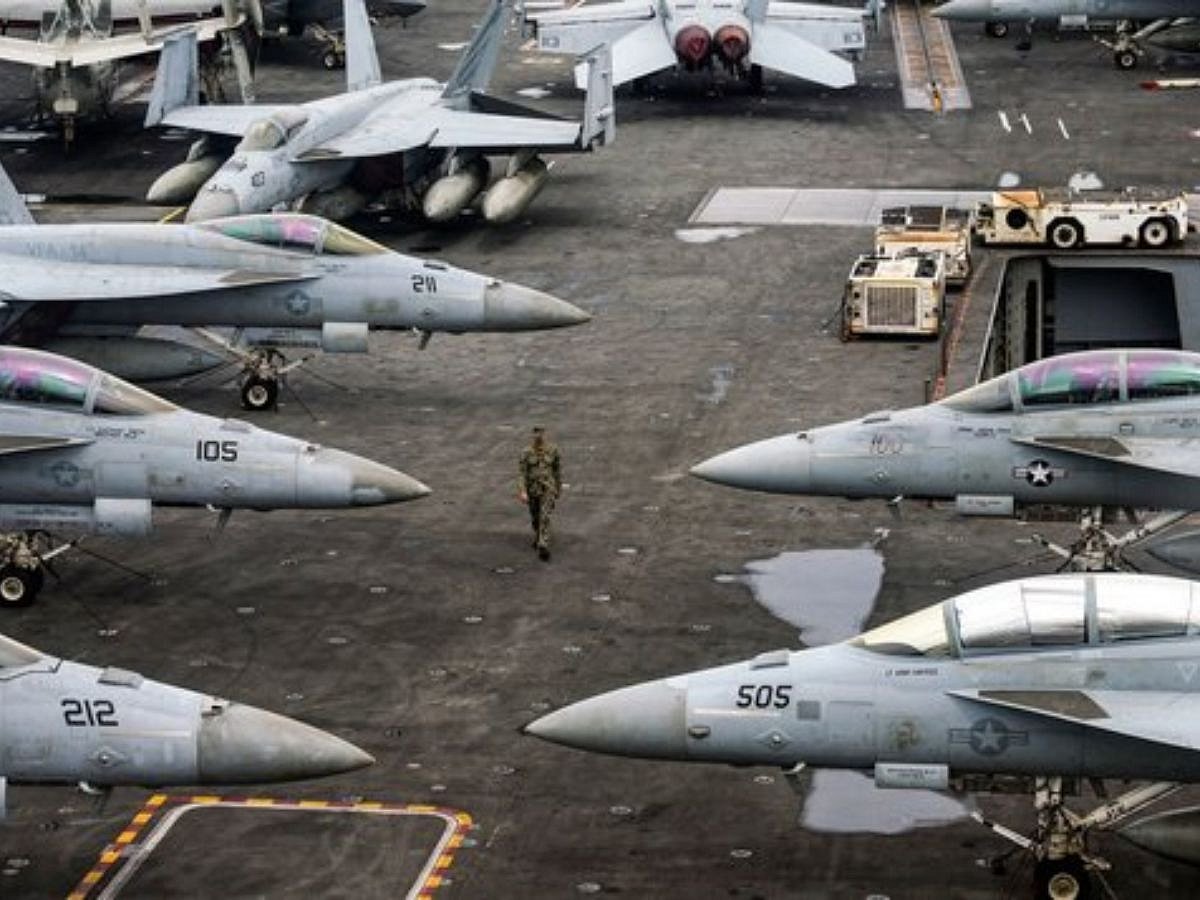
Meanwhile, a third US aircraft carrier and additional troops are now reportedly moving toward the Middle East.
Get it: Fast, verified news for FREE ... download the Gulf News app — simply click here
With no completed peace deal announced, residents traveling to Saudi Arabia or following Gulf shipping may continue to face restrictions amid diplomatic efforts and uncertainty over regional aviation and maritime security.
Flights: Check individual bookings
Etihad’s official advisory confirms all Abu Dhabi flights to Riyadh and Dammam are canceled through November 5, 2026.
Four Jeddah services, EY601, EY602, EY603 and EY604, are also canceled through that date. Further changes remain possible, the airline stated.
Etihad also reported technical issues on Wednedsay (Oct. 28) causing delays for both oubound (Abu Dhabi–Vienna EY153) and the return flights (Vienna-Abu Dhabi, EY154). Abu Dhabi–New Delhi flight (EY218, Oct. 27) and the return flight (EY219, Oct. 28) were both delayed.
Etihad says affected passengers will receive rebooking options and should keep contact details updated.
Emirates listed resumptions to Jeddah on October 30 and Riyadh and Dammam on Nov. 8.
flydubai lists resumptions to Riyadh, Dammam and Abha from October 30.
Passengers should verify their exact flight, return sector and connections directly with the airline. Riyadh airport’s partial reopening does not mean every carrier has resumed service.
Dubai International Airport (DXB) is now operating at 100% capacity post-airspace reopening, with transfer traffic leading the rebound ahead of point-to-point travel.
The airport reported that scheduled departing seat capacity at DXB rose by 24.3% to reach 4.6 million seats in October 2026 as national carriers expanded services ahead of the winter travel season.
Saudi Arabia and Yemen
The Saudi-led coalition said air defences intercepted and destroyed a Houthi ballistic missile launched toward Saudi Arabia’s Eastern Province early Thursday (Oct. 29, 2026), per coalition spokesman Turki Al-Malki.
Separately, missile attacks on Aden airport Wednesday caused civilian injuries and damage, according to Yemeni government officials. Air traffic was halted.
BBC also reported that escalating Houthi attacks have prompted adjustments to American diplomatic staffing in Saudi Arabia. Its account described the ordered departure of nonessential US embassy staff.
Renewed strikes remain possible, not decided
On Thursday, US officials warned regional allies to prepare for possible strikes on Iran after the November 3 midterm elections and potential Iranian retaliation. Two diplomats stressed that President Donald Trump had not made a final decision.
CNN separately reported Monday that US forces were prepared to begin potentially major operations "within 96 hours" of an order. Operational readiness, however, is not proof that an attack has been authorised or scheduled.
Diplomacy continues amid conflicting accounts
Iranian Foreign Minister Abbas Araghchi said Tehran remained in contact with mediators over implementing a seven-day plan to end the war and reopen Hormuz, potentially faster than a week.
But a senior Iranian official told Reuters that Qatar had offered “unacceptable ideas and not an offer,” contradicting another account describing a draft agreement.
Saudi, Pakistani, Turkish and Iranian officials agreed Monday to continue dialogue. That commitment has not resolved the disputes over nuclear negotiations, sanctions, maritime passage and regional security.
Hormuz: Mine clearance
Meanwhile, the US Cental Command (CentCom) rejected IRGC's account of commercial ships striking mines in Hormuz, saying internationally-recognised primary transit lanes remain "cleared" and thousands of vessels have passed safely.
The statement, however, does not establish that every part of the Gulf is mine-free or commercial traffic has completely normalised.
Iran's Revolutionary Guards insisted that they would not reopen the strait until the US complied with a list of demands, including the lifting of the naval blockade.
US President Donald Trump said he was "low-keying it" in his approach to Tehran.
For residents, the practical priorities are verified flight information, official UAE instructions and careful attribution of regional claims.
Neither a military reassurance nor continuing negotiations should be treated as an unconditional guarantee that disruption or escalation risks have ended.
The situation remains fluid today.
Network Links
GN StoreDownload our app
© Al Nisr Publishing LLC 2026. All rights reserved.