“Protection is not immediate, so vaccinating in September provides a buffer before increased community transmission. But if someone misses September, vaccination later is still beneficial while influenza viruses are circulating," Dr Likha Rajan, General Practitioner at Aster Clinic, Al Wasl Village, told Gulf News.
UAE flu season is starting: Why September is the month to get vaccinated
Doctors urge residents to get flu shots now before cases surge in winter
Last updated:
5 MIN READ
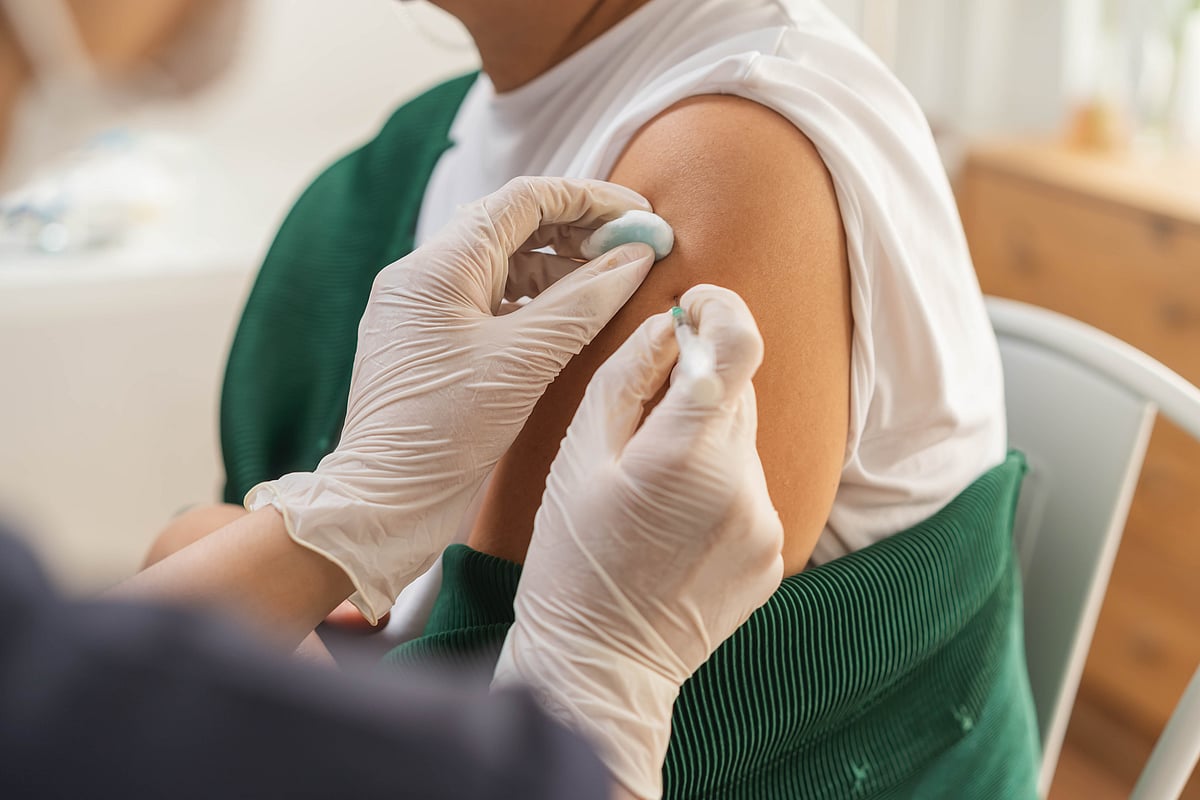
The 2026–27 vaccination campaign now targets seven priority groups, with experts urging residents not to wait until influenza cases rise during the colder months.
Shutterstock
Dubai: Classrooms are full again, offices are back to normal hours, and thousands of families have just returned from summer travel. All that mixing and close contact is exactly what lets flu spread fastest and it's why UAE health authorities have widened their vaccination push this year, with doctors urging residents not to wait until the coughs start.
Recently, the Ministry of Health and Prevention (MOHAP) expanded its list of priority groups for this year's seasonal influenza vaccine, adding school students and pilgrims travelling for Hajj and Umrah for the first time. It's a signal, health experts say, that the window to act is now, before case numbers start climbing later in the year.
Get updated faster and for FREE: Download the Gulf News app now - simply click here.
Who needs the jab this year
The full list of target groups for the 2026–27 seasonal influenza vaccination campaign is:
Pregnant women
Children aged six months and above
School students
Elderly people
Those with chronic illnesses
Healthcare workers
Travellers performing Hajj and Umrah
Vaccination is especially important for anyone at risk of severe flu complications, as well as those who live with or care for someone in a risk category.
Flu, short for influenza, is a viral infection affecting the nose, throat and lungs. While the vaccine isn't 100 per cent effective, it significantly lowers the risk of severe complications, particularly for those most vulnerable.
Why September is the right time for the flu shot
Dr Malaz Yabrodi, Specialist Internal Medicine at Medcare Shaikh Saqr Al Qasimi Hospital, Sharjah, strongly advises residents to get vaccinated before flu season begins.
“At this stage, we are starting to see patients with influenza symptoms and respiratory infections, but it’s still an early flu season. We can expect to see an increase in cases in the coming weeks and months, with December and January seeing more cases. Right now is the right time to receive the vaccine before cases rise during the colder months. It takes around two weeks for the body to develop protection against the flu.”
At this stage, we are starting to see patients with influenza symptoms and respiratory infections, but it’s still an early flu season. We can expect to see an increase in cases in the coming weeks and months, with December and January seeing more cases. Right now is the right time to receive the vaccine before cases rise during the colder months. It takes around two weeks for the body to develop protection against the flu.
Dr Malaz Yabrodi Specialist Internal Medicine at Medcare Shaikh Saqr Al Qasimi Hospital
The Dubai Health Authority (DHA) guideline states that flu vaccination should ideally be given in September or early winter, before the influenza season begins.
Dr Likha Rajan, General Practitioner at Aster Clinic, Al Wasl Village, said September gives residents enough time for immunity to develop before influenza activity increases.
“Protection is not immediate, so vaccinating in September provides a buffer before increased community transmission. But if someone misses September, vaccination later is still beneficial while influenza viruses are circulating.”
“September is an ideal time to take the annual flu vaccine because it allows approximately two weeks for protective immunity to develop before the influenza season increases.”
Flu cases expected to rise from October
Rajan said influenza activity for the 2026–27 flu season in the UAE is expected to begin increasing during the autumn months, with a more substantial rise generally occurring from October onwards and the highest activity often occurring around January and February. The UAE’s national seasonal influenza campaign runs from September 2026 through March 2027, reflecting this seasonal window.
For the 2026–27 flu season in the UAE, I’d expect influenza activity to begin increasing during the autumn months, with the more substantial rise generally occurring from October onward and the highest activity often occurring around January–February. UAE health authorities’ national seasonal-influenza campaign runs September 2026 through March 2027, reflecting this seasonal window.
Dr Likha Rajan General Practitioner at Aster Clinic
What to expect in clinics
September: Sporadic flu cases may already appear, but this remains primarily a prevention and vaccination window.
October–November: Respiratory infections and influenza-like illness generally become more frequent.
December–February: Expect the largest clinical burden, with January often the major peak. During the 2025–26 season, UAE hospitals reported a sharp rise in cases that month, according to Rajan.
Dr Rajan cautioned that it's too early to predict this year's dominant strain or severity. "Influenza activity varies considerably from year to year, and surveillance during the season will give a much better indication," she said.
According to doctors who spoke to Gulf News, December through February is typically the peak period for flu cases in the UAE, with January often seeing the highest levels of activity.
Why children, elderly and travellers are being prioritised
Yabrodi said vaccination is particularly important for people travelling for Hajj or Umrah, as well as elderly people and pregnant women, because of their higher risk of complications.
“So for those travelling, especially those going for Umrah or Hajj, must get it at least two weeks before their trip to develop the antibodies.”
“For those travelling, elderly and pregnant women it is essential for them to get the vaccine because there is a higher risk of complications and children can easily increase the transmission rate in schools and nurseries because of closer contact.”
She added that elderly people may have weaker immune systems and are more likely to have chronic medical conditions, which can make influenza more serious.
Dr Malaz Yabrodi, Specialist Internal Medicine at Medcare Shaikh Saqr Al Qasimi Hospital, Sharjah, explained that it is important for children to get the flu vaccine, as they can contribute to the spread of the virus. Vaccination can also help reduce missed school days for children and missed workdays for parents.
UAE expands seasonal respiratory disease campaign
The UAE has also expanded its annual flu campaign this year to cover seasonal respiratory diseases.
Under the new initiative, health authorities are asking two high-risk groups – pregnant women and older adults – to get vaccinated against respiratory syncytial virus (RSV), a virus that can cause pneumonia and bronchiolitis.
RSV is a common virus that infects the lungs and airways, including the nose, mouth and throat. It usually causes mild, cold-like symptoms but can lead to more serious illness, particularly among infants and older adults.
Needle-free flu vaccine option available
In 2025, MOHAP introduced the influenza vaccine in the form of a nasal spray for the first time, adding a needle-free option to the approved vaccination choices for flu season. Since it is sprayed directly into the nose, the vaccine creates an immune response where the flu virus enters the body – the upper respiratory tract.
For most residents, the message from doctors this month is simple: don't wait for the cough and fever season to arrive. September is the window — and it's closing fast.
Network Links
GN StoreAbout Gulf NewsTerms & ConditionsReach by GNSitemapContact usPrivacy PolicyGN FocusHave your sayWork with usAdvertise with usGulf News epaperPrinting Services
Download our app
© Al Nisr Publishing LLC 2026. All rights reserved.