UAE flu season 2026: How to protect your family
Flu shots open for ages 6 months plus as UAE health officials urge seasonal precautions
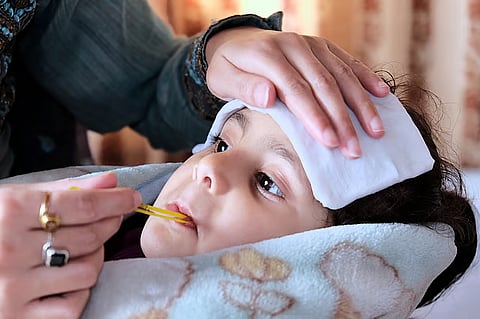
Annual vaccination is available from six months of age as health authorities urge residents to take precautions against seasonal influenza
As the seasonal influenza season begins, UAE health authorities are urging residents to get vaccinated and follow simple preventive measures to protect themselves and their families.
Get updated faster and for FREE: Download the Gulf News app now - simply click here.
The Ministry of Health and Prevention (MoHAP) has launched its National Seasonal Influenza Awareness Campaign for 2026–2027 under the theme “Protect Yourself… Protect Your Community”.
Running from September 1 until March 31, 2027, the campaign aims to increase vaccination coverage and raise awareness about preventing the spread of influenza, particularly among people at higher risk of complications.
Influenza vaccination is available to everyone in the UAE from six months of age, with priority given to older adults, pregnant women, children, healthcare workers, people with chronic diseases and those with weakened immune systems.
Why get vaccinated every year?
Influenza viruses change over time, while protection from previous vaccinations can also decrease.
For this reason, flu vaccines are regularly updated to provide protection against strains expected to circulate during the season.
The body can take around two weeks to develop an immune response after vaccination, which is why people are encouraged to get vaccinated early.
While many people recover from influenza within about a week, the illness can cause serious complications for some patients.
Symptoms can include fever, cough, headache, muscle and joint pain, sore throat, runny nose, tiredness and chills.
Six ways to protect your family
Vaccination is one of the main ways to reduce the risk, but families can also take several precautions at home.
Wash hands regularly with soap and water, particularly after coughing or sneezing and before eating.
Cover the mouth and nose with a tissue or elbow when coughing or sneezing
Avoid touching the eyes, nose and mouth with unclean hands.
Keeping indoor spaces well ventilated can also help reduce transmission.
Children showing clear flu symptoms should stay home from school, while adults who are ill should avoid close contact with others where possible.
When should you seek medical advice?
People with mild influenza generally need rest, fluids and time to recover while monitoring their symptoms.
Those at higher risk of complications or experiencing severe symptoms should seek medical advice early.
Antiviral medicines may be recommended for some patients, particularly those at higher risk, and are most effective when started early.
Antibiotics, however, do not treat influenza because it is caused by a virus.
MoHAP said prevention starts before illness develops, with vaccination, personal hygiene and early awareness helping reduce the spread of influenza across homes, schools and workplaces.


