Abu Dhabi flu jab campaign hits record 350,000 vaccinations
Uptake more than doubles as vaccines roll out across malls, majlis and workplaces
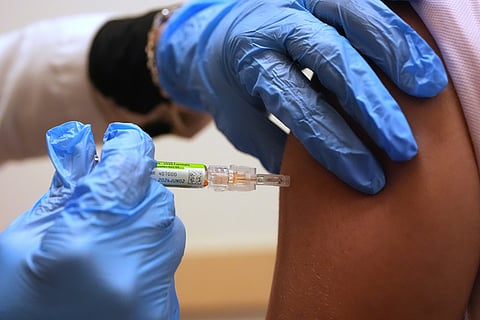
The Abu Dhabi Public Health Centre (ADPHC), in collaboration with the Department of Health – Abu Dhabi, has achieved remarkable progress under the 2025–2026 annual seasonal influenza vaccination campaign, with the number of vaccinated individuals exceeding 350,000 since the campaign’s launch marking the highest turnout recorded in the emirate in recent seasons.
Running from September 2025 through March 2026, the campaign forms part of Abu Dhabi’s preventive healthcare approach, aimed at reducing infection rates, protecting high-risk groups, and strengthening community immunity during the influenza season.
Vaccination uptake has risen significantly in recent years, increasing from 162,761 vaccinations in the 2022–2023 season to more than 350,000 vaccinations this season, representing an increase of over 115%.
To ensure ease of access, the campaign covers an extensive network of locations, including majlis gatherings, shopping malls, workplaces, labor accommodations, government entities, embassies, and cultural centers. Weekly events are held at shopping malls across Abu Dhabi, Al Ain, and Al Dhafra, alongside daily outreach visits to community majlis settings.
The campaign has prioritized groups most vulnerable to complications, including senior citizens, residents, pregnant women, children, individuals with chronic diseases, and frontline workers.
As part of promoting personal responsibility in disease prevention, the annual campaign emphasizes the importance of personal preventive measures to curb virus transmission such as regular handwashing, covering the mouth and nose when coughing or sneezing, avoiding close contact with infected individuals, and staying home when experiencing symptoms. Health evidence confirms that combining vaccination with healthy daily habits provides effective protection for individuals, families, and the wider community.
Health surveillance data since the start of the season show that most hospital admissions related to influenza complications were recorded among unvaccinated individuals, particularly senior citizens, residents, patients with chronic illnesses, and children. This aligns with global evidence underscoring the critical role of annual vaccination in reducing disease severity and complications.
350,000 vaccinations
Dr. Rashed Al Suwaidi, Director General of the Abu Dhabi Public Health Centre, said: “Exceeding 350,000 vaccinations this season is a clear reflection of the community’s awareness and commitment to preventive healthcare. Through the annual campaign, we are ensuring vaccine availability across all locations from workplaces and shopping malls to majlis gatherings and community events with the goal of protecting residents, reducing complications, and strengthening our overall health preparedness. We urge all members of the community to take the initiative to get vaccinated to protect themselves and those around them.”
Seasonal influenza remains one of the most widespread viral diseases globally, with annual vaccination recognized as the most effective means of reducing infection, complications, and hospital admissions. Abu Dhabi continues to provide updated vaccines in line with international health recommendations.
The Abu Dhabi Public Health Centre encourages community members to receive the seasonal influenza vaccine through accredited primary healthcare facilities or via community vaccination points operated under the annual campaign across the emirate.
Seasonal influenza: Prevention and treatment
Seasonal influenza is a contagious viral respiratory infection that typically occurs during winter. Symptoms range from mild to severe and include fever, cough, sore throat, muscle aches, and fatigue. The virus spreads through infectious droplets released during coughing or sneezing. The most effective preventive measure is annual vaccination, which is regularly updated to address emerging viral strains.
Symptoms of seasonal influenza
Fever and elevated body temperature
Dry cough and sore throat
Runny nose
Fatigue and exhaustion
Muscle and joint pain
Headache and chills
Nausea, vomiting, or diarrhea (occasionally)
Modes of transmission
Respiratory droplets: Spread through the air when an infected person coughs or sneezes
Surface contact: Touching contaminated surfaces and then touching the eyes, nose, or mouth
Spreads more rapidly in crowded environments
Prevention and control
Annual vaccination: The most effective preventive measure, updated yearly to protect against prevalent strains
Hand hygiene: Regular handwashing with soap and water or use of hand sanitizers
Covering the mouth and nose: When coughing or sneezing
Avoid touching the face: Especially the eyes, nose, and mouth
Adequate sleep: To support immune system function
Treatment
Mild cases are treated with rest, warm fluids, and healthy nutrition
Antiviral medications may be prescribed in certain cases, based on medical advice
Groups most at risk of complications
Children under 5 years of age and adults over 50
Pregnant women
Individuals with chronic conditions (diabetes, heart disease, asthma, kidney and liver diseases)
Immunocompromised patients
What is seasonal influenza?
Seasonal influenza is an acute, contagious respiratory infection caused by influenza viruses, with outbreaks occurring worldwide during specific seasons, particularly in winter.
What virus causes the disease?
Influenza viruses belong to the Orthomyxoviridae family and are classified into Types A, B, and C, based on their core proteins.
Signs and symptoms of seasonal influenza
Symptoms range from mild to severe and typically resolve within one week without medical intervention. However, in some cases, the illness may progress to severe disease requiring hospitalization and may lead to serious complications, particularly among vulnerable population groups.
Common symptoms include:
Fever
Headache
Fatigue and general weakness
Cough
Muscle and joint pain
Sore throat and runny nose
Vomiting and diarrhea, especially in children
Who is most at risk of infection and complications?
Pregnant women at any stage of pregnancy
Children under 5 years of age
Older adults
Individuals with chronic medical conditions, including heart, lung, kidney, liver, and blood diseases
Healthcare workers


