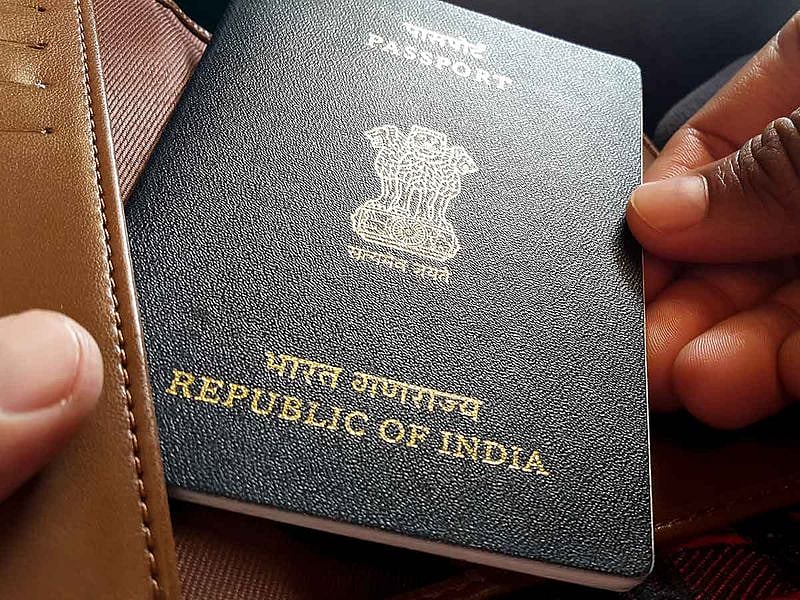
The 2026 Henley Passport Index reveals a fascinating “paradox of power” for Indian travellers. While India’s global rank has risen five places to 80th, the number of destinations accessible without a pre-departure visa has dropped from 57 last year to 55.
This shift highlights that in global mobility, rank is relative: India moved up because other nations’ access declined more sharply, making the Indian passport “stronger” in comparison, even with fewer destinations open.
The 2026 shift: Why the numbers changed
The Henley Passport Index measures a passport’s strength relative to other countries. While India’s ranking improved, several nations worldwide imposed sharper restrictions through tightened borders and stricter digital requirements. This allowed India to climb the global standings, even as its own visa-free access fell slightly.
The decline in total visa-free destinations reflects a “two steps forward, four steps back” year in diplomatic negotiations and security adjustments.
Gaining two, losing four in 2026
India’s visa-free count dropped from 57 to 55, reflecting a mix of new gains and recent losses in global travel access.
The new gains
Malaysia – Now offers a 30-day visa-free stay for Indian travellers (requires a digital arrival card).
Kazakhstan – Added to the visa-free list as part of a strategic diplomatic push in Central Asia.
The recent losses
Iran – Suspended visa-free entry in late 2025 due to security concerns and trafficking scams targeting Indian job-seekers.
Bolivia – Moved from “Visa on Arrival” to a strict e-Visa system. Under Henley rules, e-Visas do not count as visa-free because they require pre-travel approval.
Senegal and Ethiopia – Both countries recently tightened protocols, requiring more advanced paperwork from ordinary Indian passport holders.
Why Malaysia and Kazakhstan were added
Malaysia: Strengthening tourism and business ties with India.
Kazakhstan: Part of India’s strategic outreach in Central Asia, boosting short-term business and leisure travel.
Essential travel requirements
If you are planning a trip to the two newest visa-free destinations, keep these mandatory requirements in mind:
Malaysia (30-day visa-free stay)
Purpose: Tourism, social visits, leisure only (work or study requires a traditional visa).
Mandatory: Complete the Malaysia Digital Arrival Card (MDAC) online at least 3 days before travel.
Proof of funds: Be prepared to show evidence of roughly ₹40,000–₹50,000 in your bank account to clear immigration.
No Work: This is strictly for tourism; taking up employment on this waiver can lead to deportation.
Documents: Passport valid 6+ months, return/onward ticket, hotel proof or host address, proof of funds (~$50/day).
Note: Failing to show MDAC confirmation may result in fines or denied entry.
Kazakhstan (14-day visa-free stay)
Purpose: Tourism, private visits, short-term business.
Stay limit: 14 days per visit (maximum 42 days in 180 days).
No pre-approval needed for short trips; hotels automatically register guests with migration authorities
Documents: Passport valid 6+ months, return/onward ticket, travel insurance recommended.
Registration: If staying at a hotel, they will register you automatically. If staying with a host, they must notify migration authorities within 3 days.
These additions make travel to Malaysia and Kazakhstan easier for Indian passport holders, opening fresh options in Asia for leisure and business.
Passport power remains volatile. The Ministry of External Affairs (MEA) advises travellers to verify entry requirements on official government portals 72 hours before departure, as security concerns can trigger policy changes overnight.
Why a stronger passport matters for Indian travellers
A stronger passport delivers real-world benefits for frequent flyers, business travellers, students and tourists:
Less paperwork: Fewer embassy visits and reduced dependence on agents
Faster planning: Easier last-minute travel without lengthy visa timelines
Cost savings: Lower visa fees and processing charges
Greater flexibility: More scope for spontaneous holidays and stopovers
Smoother borders: Often improves prospects for future visa approvals
2026 travel guide: Where can you go?
India now shares the 80th spot with Algeria. While still behind regional peers like China (64th) and the UAE (5th), it has significantly recovered from its 2021 low of 90th. Indian passport holders can currently enter 55 jurisdictions without a pre-departure visa.
Visa-free destinations
Angola, Barbados, Bhutan, British Virgin Islands, Cook Islands, Dominica, Fiji, Grenada, Haiti, Jamaica, Kazakhstan, Kiribati, Macao (SAR China), Malaysia, Mauritius, Micronesia, Montserrat, Nepal, Niue, Rwanda, Senegal, St Vincent and the Grenadines, Thailand, Trinidad and Tobago, Vanuatu
Visa-on-arrival / ETA destinations
Burundi, Cambodia, Cape Verde Islands, Djibouti, Ethiopia, Guinea-Bissau, Indonesia, Jordan, Kenya, Laos, Madagascar, Maldives, Marshall Islands, Mongolia, Mozambique, Myanmar, Philippines, Palau Islands, Qatar, Samoa, Seychelles, Sierra Leone, Somalia, Sri Lanka, St Kitts and Nevis, St Lucia, Tanzania, Timor-Leste, Tuvalu, Zimbabwe
A note for travellers
Visa-free, visa-on-arrival and electronic travel authorisation (eTA) policies can change at short notice due to security, diplomatic, health, or migration considerations. Check official government updates before finalising travel plans.
The bigger picture
India’s 2026 ranking underlines a key reality: passport power does not always rise in a straight line. Diplomatic shifts, security concerns, and changing visa policies can reduce access even when rankings improve.
Traveller takeaway: Check entry rules carefully, plan ahead where needed, and stay updated as visa policies continue to evolve.
Network Links
GN StoreDownload our app
© Al Nisr Publishing LLC 2026. All rights reserved.