New UAE study explains what triggers extreme summer heat in the Arabian Gulf
NYU Abu Dhabi research could help predict marine heatwaves months in advance
Dubai: The Arabian Gulf is home to some of the hottest summer temperatures on the planet, but scientists say the reasons go far beyond intense sunshine.
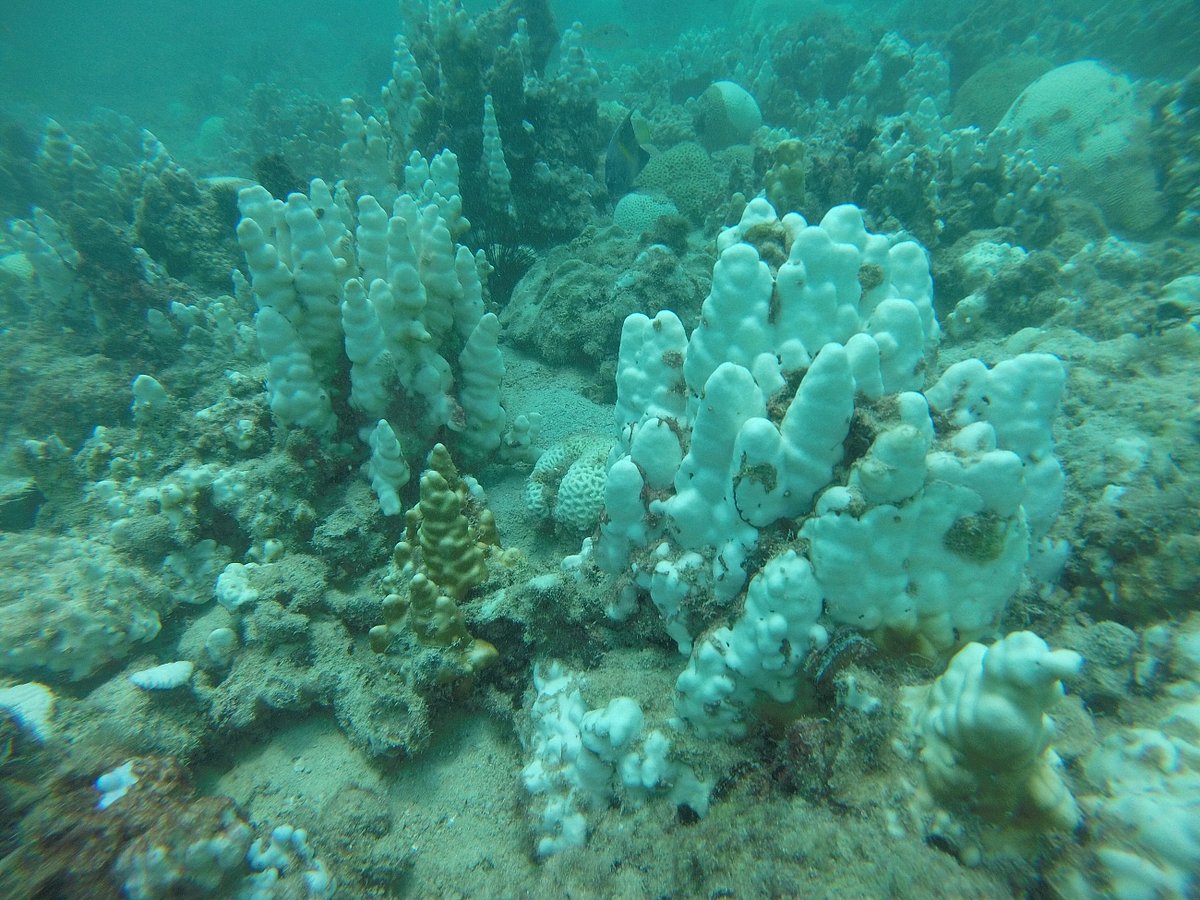
A new study from the Mubadala ACCESS Center at NYU Abu Dhabi has revealed why some summers in the Arabian Gulf become unusually hot, triggering marine heatwaves that can threaten coral reefs, fisheries and coastal ecosystems.
Researchers say understanding these drivers could allow scientists and local authorities to predict extreme summer conditions up to two or three months in advance, giving valuable time to prepare and protect marine life.
Why is the Arabian Gulf the warmest sea during summer?
The Arabian Gulf is the warmest sea on Earth in summer. While many local marine species have adapted to naturally high temperatures, unusually warm years can push ecosystems beyond their limits, leading to mass coral bleaching and widespread environmental disruption.
Until now, scientists had not fully understood what causes these extreme temperature spikes.
By analysing long-term observations alongside advanced ocean model simulations, the NYU Abu Dhabi research team identified a specific combination of atmospheric changes that trigger marine heatwaves in the Gulf.
The wind patterns driving extreme marine heatwaves
The study found that extreme heat events occur when two key wind systems change at the same time.
First, the region’s north-westerly Shamal winds, which usually help cool the sea, weaken. At the same time, the summer Indian monsoon winds intensify.
This combination increases moisture in the Gulf’s atmosphere, creating humid and hazy conditions that trap heat at the sea surface rather than allowing it to escape.
These conditions are most likely during La Niña events, when colder-than-usual waters appear in the tropical Pacific Ocean. They are also linked to a weaker phase of the North Atlantic Oscillation, which alters storm patterns across the Atlantic.
When both climate patterns occur together, the Arabian Gulf experiences its hottest sea temperatures.
Why Gulf heatwaves are different from the rest of the world
“The study reveals something surprising,” said Zouhair Lachkar, Senior Scientist at NYU Abu Dhabi and lead author of the study.
“Unlike other oceans, where marine heatwaves are often caused by clear skies and intense sunshine, the Gulf’s extreme sea temperatures happen under humid, hazy conditions. And while El Niño usually drives heatwaves elsewhere, here it is La Niña that favours them.”
This finding sets the Arabian Gulf apart from other global hotspots affected by marine heatwaves.
How this research could help protect coral reefs and fisheries
According to John Burt, Co-director of the Mubadala ACCESS Center and senior author of the study, the findings could significantly improve early-warning systems.
“Our findings have important implications for predicting extreme heat events weeks to months before they occur,” he said. “This gives marine managers and decision makers advance notice to monitor and protect vulnerable ecosystems such as coral reefs.”
He added that the research reflects the centre’s broader mission: “This aligns with our goal at Mubadala ACCESS of producing regionally relevant research that has global impact.”
The study highlights the potential for early-warning systems for marine heatwaves in the Arabian Gulf, helping safeguard biodiversity, fisheries, and coastal communities as climate change intensifies extreme weather patterns.
Network Links
GN StoreDownload our app
© Al Nisr Publishing LLC 2026. All rights reserved.