For iPhone users, you can find the public alerts already enabled under the ‘Notifications’ sections in your settings.
Rain in UAE: Did you receive a public safety alert from Dubai Police?
Here is all you need to know about the ‘National Early Warning System’
Last updated:
3 MIN READ
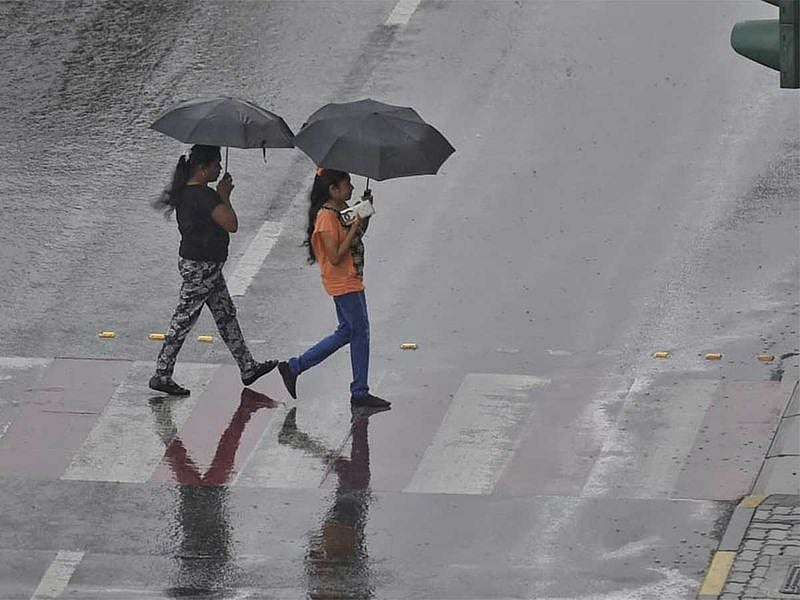
The National Center of Meteorology has warned of unstable weather today, with scattered clouds bringing rain, thunder, lightning, and hail in some areas.
Virendra Saklani/Gulf News
Dubai: Dubai Police has issued a public safety alert for residents as the city braces for adverse weather. The warning was sent to mobile phones across the emirate at around 8:30am on Thursday, December 18.
A previous alert was issued earlier, cautioning residents to avoid beaches, refrain from sailing, stay clear of valleys and flash flood-prone areas, drive carefully, and follow official advice.
These warnings are part of the National Early Warning System run by the National Emergency Crisis and Disaster Management Authority (NCEMA), designed to keep the public informed of potential risks and emergency situations.
What is the ‘National Early Warning System’
The public warning system project started in 2017, and it alerts residents and visitors in the UAE about an imminent emergency.
These messages target specific populations in defined geographic locations.
According to NCEMA, public safety alerts reduce the impact of extreme weather conditions by reaching as many people as possible to warn them of potential dangers and threats.
Which authorities are allowed to issue warning alerts?
Only government agencies involved in national emergency management, are allowed to send out alerts. They are:
• NCEMA
• Ministry of Interior (MOI)
• Abu Dhabi Police
• Dubai Police
• Sharjah Police
• Ajman Police
• Um Al Quwain Police
• Ras Al Khaimah Police
• Fujairah Police
• Ministry of Health and Prevention (MOHAP)
What does the alert state?
According to NCEMA, when an emergency occurs, the alerting authority will issue the warning alert with the necessary instructions and actions to be taken by the public. The message is routed to mobile phones and a warning message is displayed on the mobile phone screen.
The alert includes a vibration and loud warning tone to draw the person’s attention. The alert is sent out in two languages - Arabic and English.
How is the safety alert sent out?
According to NCEMA, the technology used to deliver warning alerts is called cellular broadcast (CB). If the warning alert was issued to a specific geographical location, and if that mobile phone is within the selected geographical location, the alert gets delivered to all the mobile devices in that area.
Does everyone in the UAE get these alerts?
Both residents and visitors in the UAE get public warning alerts. The alerts feature is enabled by default on your smartphone (both Apple and Android), so you don’t have to go into your settings and allow the notifications.
While phones that are more than three years old are not compatible with the early warning system, most of the phones have been updated through the manufacturers to comply with the specifications developed for the UAE, according to the Telecommunications and Digital Government Regulatory Authority (TDRA).
This article was originally published on May 2024 and has been updated since.
Sign up for the Daily Briefing
Get the latest news and updates straight to your inbox
Network Links
GN StoreAbout Gulf NewsTerms & ConditionsReach by GNSitemapContact usPrivacy PolicyGN FocusHave your sayWork with usAdvertise with usGulf News epaperPrinting Services
Download our app
© Al Nisr Publishing LLC 2026. All rights reserved.