Dubai gold swings again with Fed signals and Iran tensions driving the next move
24k gold rose to Dh497 in Dubai while global bullion held near $4,100
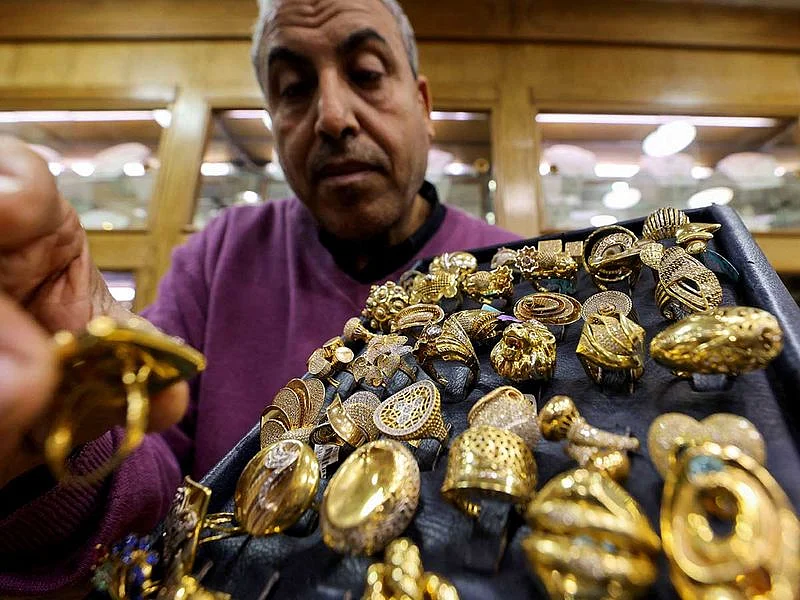
Dubai: Gold prices in Dubai edged higher on Wednesday morning, as the market remains sensitive to interest-rate signals, the dollar and renewed tension around the Strait of Hormuz. (Check latest UAE gold prices here, alongside prices in Saudi Arabia, Oman, Qatar, Bahrain, Kuwait, and India.)
The 24-karat variety stood at Dh497 per gram, up from Dh493.50 on Tuesday, while 22-karat gold rose to Dh460.25 from Dh457. The move came after a week of small but noticeable swings across Dubai’s jewellery market.
Get updated faster and for FREE: Download the Gulf News app now - simply click here.
Gold opened July at Dh489.75 for 24-karat and Dh453.50 for 22-karat, before rising through the first weekend of the month. The 24-karat rate reached Dh503 on July 4 and July 5, while 22-karat touched Dh466 on both days. Prices eased to Dh499 on Monday and slipped further on Tuesday, before Wednesday’s modest recovery.
Fed signals stay in focus
Global bullion traded in a narrow range, with spot prices near $4,100 an ounce after losing 1.4% in the previous session. Investors are waiting for the minutes of the Federal Reserve’s June meeting, due later Wednesday, for a clearer view on how long US interest rates could remain elevated.
Bullion came under pressure after the Fed meeting, with new Chair Kevin Warsh taking a more hawkish tone than markets had expected. Weaker-than-expected jobs data last week reduced confidence in a near-term rate cut, helping gold move back above the $4,000-an-ounce level.
Higher interest rates usually weigh on gold because the metal does not pay interest, while a stronger dollar can make bullion more expensive for buyers using other currencies.
Iran strikes add inflation risk
Renewed US military action in the Gulf has added another layer of uncertainty for commodities. US Central Command said it launched “powerful strikes” in retaliation for Iranian attacks on shipping in the Strait of Hormuz, hours after Washington revoked a waiver that had allowed Tehran to sell oil globally.
Crude prices advanced after the announcement, raising concerns that higher energy costs could feed into inflation and make it harder for the Fed to cut rates soon. That combination leaves gold caught between safe-haven demand from geopolitical risk and pressure from higher borrowing costs.
Central banks keep buying
Gold is down by more than a fifth since the Iran war began in late February, with profit-taking ending a three-year bull run and pushing the metal into a bear market last month. There is still little evidence that investors are building large-scale short positions in expectation of deeper losses.
China’s central bank bought more gold in June, extending its longest buying run since at least 2015. The World Gold Council’s latest survey also showed that a record share of central banks expect to raise their gold reserves over the coming year, suggesting official-sector demand remains a key support even during volatile trading.
- With inputs from Bloomberg.

Sign up for the Daily Briefing
Get the latest news and updates straight to your inbox
Network Links
GN StoreDownload our app
© Al Nisr Publishing LLC 2026. All rights reserved.