India court allows Hindus to pray in Gyanvapi mosque
Authorities told to ‘make proper arrangements within 7 days’ to facilitate worshippers
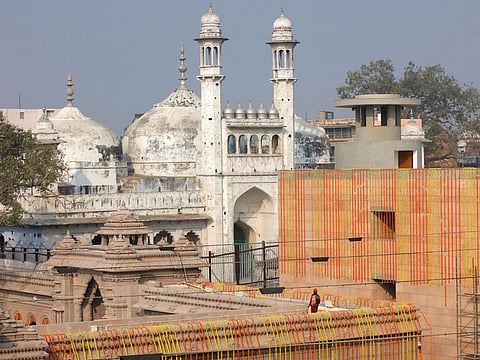
VARANASI: An Indian court on Wednesday permitted Hindu worshippers to pray inside Gyanvapi mosque in the city of Varanasi.
The mosque was built in the 17th century by the Mughal empire in a city where Hindu faithful from across the country cremate their loved ones by the Ganges river.
The court in Varanasi ruled that Hindu worshippers — who believe the mosque replaced a destroyed temple to the deity Shiva — could pray in the building’s basement.
Its verdict ordered district authorities to “make proper arrangements within the next seven days” to facilitate worshippers.
The decision is the latest in a long-running legal saga over Gyanvapi’s future.
This month, India’s official archaeological agency said a survey of the site appeared to corroborate the belief that it was originally home to a temple, according to local news reports.
Last week, Modi presided over a grand inauguration ceremony in the nearby city of Ayodhya for a Hindu temple built on grounds once home to the centuries-old Babri mosque.
The prime minister described last week’s opening of the temple as “the advent of a new era”.

