US-Israel-Iran war, March 22: Things you need to know
Diplomatic moves and defense efforts shape latest Middle East developments
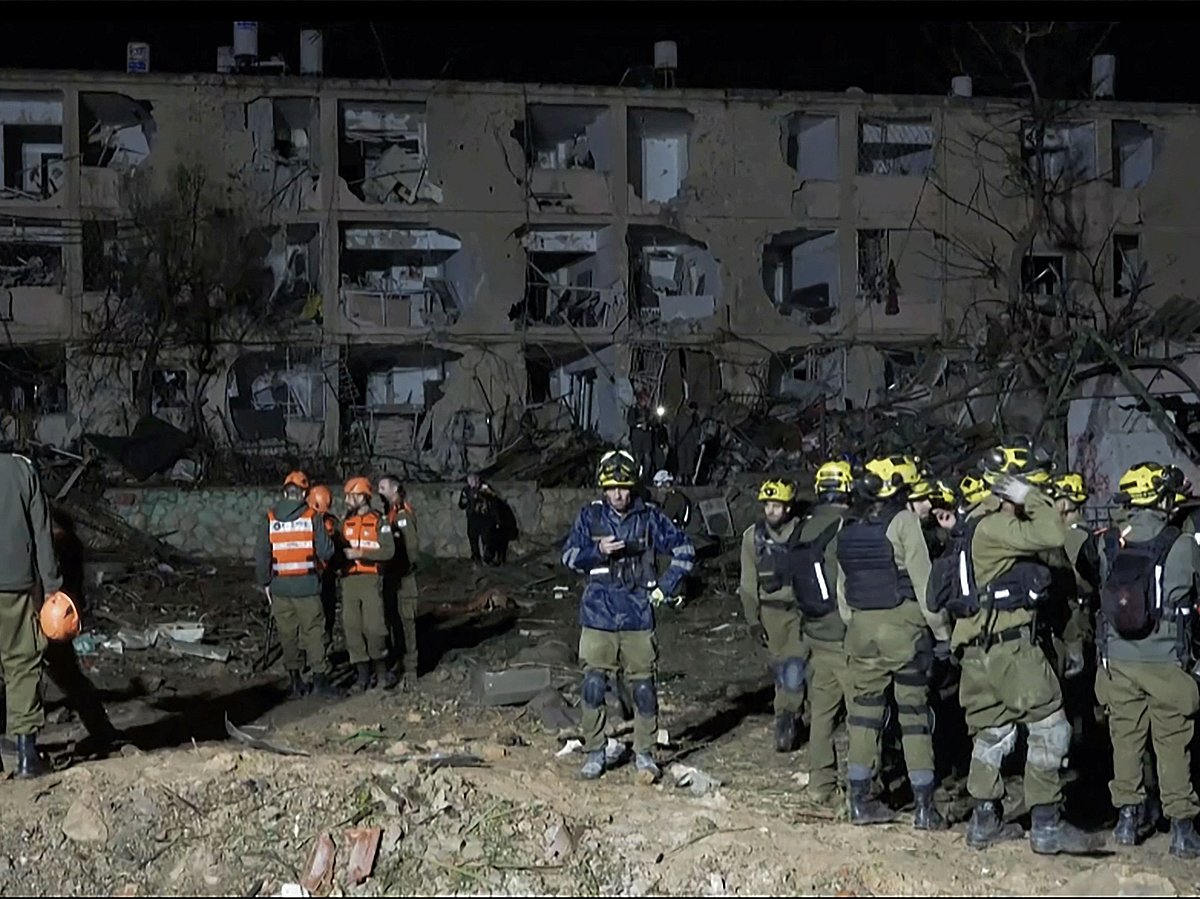
The US–Israel–Iran situation continues to evolve, with new diplomatic steps, defensive actions, and strategic signals emerging across the region. Countries in the Middle East are responding in different ways to safeguard their interests, while global attention remains focused on stability and security. From Saudi Arabia’s diplomatic decisions to missile defense efforts in the Gulf and developments in Israel, here are the latest updates shaping this complex and closely watched geopolitical landscape.
Saudi Arabia takes diplomatic steps following security concerns
Saudi Arabia has announced the departure of several Iranian embassy officials, including the military attaché, as part of measures tied to recent security concerns. Authorities emphasized their commitment to protecting national sovereignty and maintaining regional stability. The decision reflects a firm but structured diplomatic response, with Saudi officials reiterating their intention to act within international law while encouraging broader efforts to reduce tensions across the region.
Iran’s long-range missile attempt highlights evolving capabilities
Iran’s reported missile launch toward Diego Garcia has drawn attention to the country’s advancing technological capabilities. Although the attempt did not reach its target, analysts view it as an indication of ongoing development in long-range systems. The move has sparked discussion among global observers about future deterrence dynamics, while also underscoring the importance of continued monitoring and dialogue around military capabilities.
Stay updated: Get the latest faster by downloading the Gulf News app - it's completely free. Click here for Apple or here for Android. You can also find it on the Huawei AppGallery.
Trump threatens to destroy Iran’s power infrastructure
US President Donald Trump has escalated rhetoric by threatening to “hit and obliterate” Iran’s power plants if Tehran does not reopen the Strait of Hormuz within 48 hours. The ultimatum comes as oil prices surge and pressure mounts on Washington to secure global energy supplies. Trump’s warning marks a potential shift toward targeting critical civilian infrastructure, a move that could dramatically intensify the conflict and draw international criticism over proportionality and escalation risks.
UAE air defenses demonstrate strong protective readiness
United Arab Emirates air defense systems successfully intercepted multiple missiles and drones, showcasing a high level of preparedness and coordination. Officials noted that these systems have managed a significant number of aerial threats since the situation intensified. While there have been some casualties, authorities continue to emphasise the effectiveness of defensive measures and their ongoing commitment to protecting residents and maintaining national security.
Authorities in Ras Al Khaimah confirmed, for example, that sounds heard across parts of the city as the result of successful air defence interception operations.
Emergency response efforts activated in southern Israel
Israel activated emergency and medical response systems following missile impacts in southern towns, where over 100 people were reported injured. First responders worked quickly to assist those affected and secure impacted areas. The situation highlights the importance of rapid response infrastructure and preparedness in times of crisis, as well as ongoing efforts to support civilian safety and recovery in affected communities.
Network Links
GN StoreDownload our app
© Al Nisr Publishing LLC 2026. All rights reserved.