US military unleashes 'kamikaze' drones vs Iran — called LUCAS, improved clones of Shahed-136
'Operation Epic Fury' deploys US one-way LUCAS attact drones amid escalating tensions
As of Sunday (March 1, 2026), the US and Israel have launched a coordinated military operation dubbed “Operation Epic Fury” against Iran, initiated on Saturday (February 28, 2026).
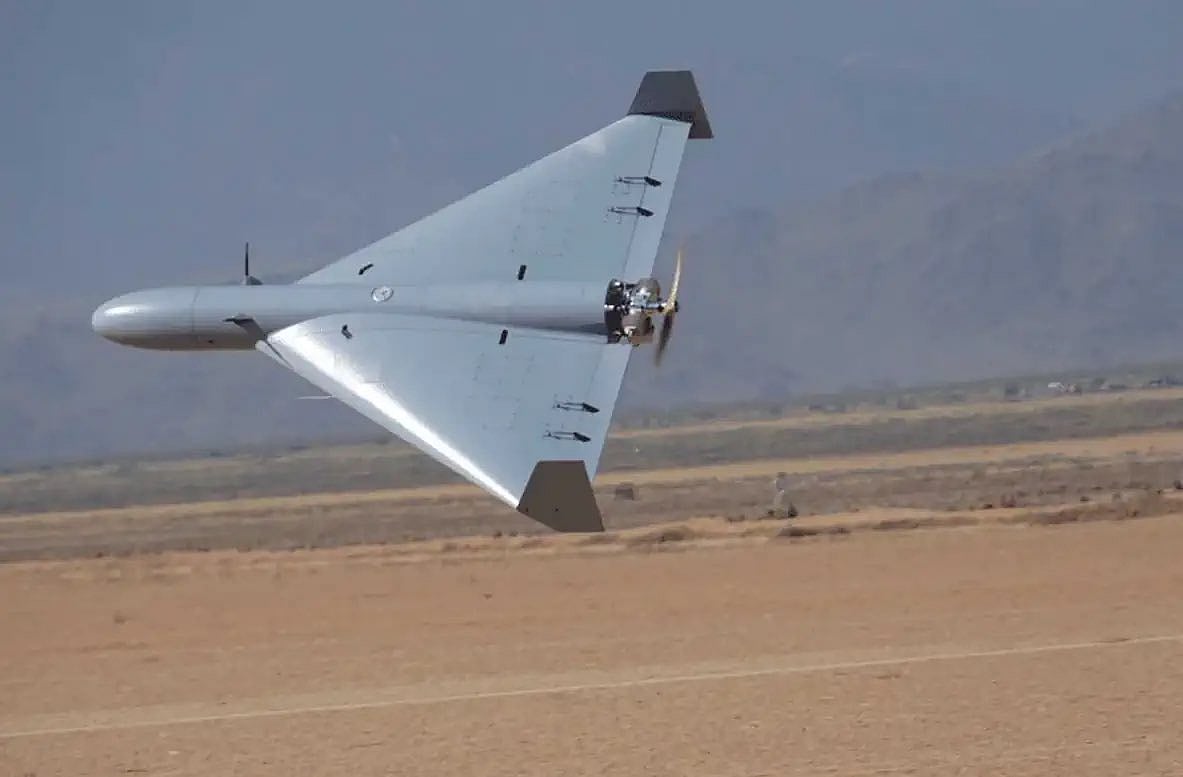
The attacks reportedly include the low-cost LUCAS kamikaze drones reverse-engineered by the US military from Iran’s one-way attack drones.
US President Donald Trump also made a stern warning: “heavy and pinpoint bombing” would continue “uninterrupted throughout the week or, as long as necessary to achieve our objective”.
He also claimed many among the Iranian Revolutionary Guards, military and other security and police forces “no longer want to fight”, and suggested he would now be willing to give them “immunity”.
'Decapitation' strikes
The opening daytime salvo was described as "decapitation pressure" aimed at senior Iranian leadership as well as key military installations.
While Tomohawk cruise missiles were used extensively on Iran targets, LUCAS one-way attack drones, the newest weapon in America's arsenal, saw action in combat for the first time, as per US media.
LUCAS, mass produced by a US military contractor, is a re-engineered version of Iran's Shahed-136 autonomous pusher-propelled suicide drone.
Israeli and US forces targetted Iran's Supreme Leader Ayatollah Ali Khamenei, President Masoud Pezeshkian, and the head of the armed forces in initial waves.
Trump claimed Khamenei is dead after strikes hit sites Khamenei's compound and the president's office in Tehran, though Tehran has offered no confirmation.
'Regime change', Iran's retaliation
The “massive and ongoing” US military campaign alongside Israel against Iran, is aimed at a “regime change”, as US President Donald Trump.
Reports indicate the strikes, including a barrage of Tomahawks, designed to deliver "overwhelming and unrelenting blow", aim to degrade Iran's military capabilities, potentially leading to regime change.
Ongoing operations expected over several days, even as world leaders called for ceasefire, restraint and dialogue.
Iranian retaliation included drones hitting the US 5th Fleet headquarters and other regional targets.
Iran launched missiles at Israel, US facilities in Bahrain, Qatar, UAE, Kuwait, and Jordan, plus strikes on Dubai and other Gulf sites.
Gulf states condemned Iranian strikes on their territories, while Iran activated plans via Hezbollah and others.
Strikes on leadership
Trump, in a video address, framed the operation as necessary to protect American national security and prevent Iran from threatening US forces and allies. But his language went further than previous justifications centred on nuclear containment.
“When we are finished, take over your government. It will be yours to take,” Trump told the Iranian people. “This will be, probably, your only chance for generations. The hour of your freedom is at hand.”
While Western media emphasize the strikes' success in overwhelming defenses, while others highlight escalation risks and Iranian resilience, Iranian state media and proxies frame it as "unprovoked aggression", with calls for broader retaliation.
Iran’s military has retaliated with missile and drone attacks on US bases and allies in the region.
President Trump, overseeing from Mar-a-Lago, urged Iranians to "take over" their government, signaling regime-change intent.
Planning reportedly included high-risk, high-reward options briefed to Trump.
Hits on military targets
US-led strikes used Tomahawk missiles to hit nuclear sites, IRGC facilities, and missile launchers across Iran, including in Tehran, Isfahan, and northern depots.
Israeli flyovers and bombings focused on missile production and storage in western and central Iran.
Reports confirm strikes on an Iraqi military base housing Iranian proxies like Kataeb Hezbollah, who vow response.
US ‘kamikaze’ drone attacks
The US has also reportedly deployed one-way attack drones (kamikaze-style) for the first time in combat, targetting Iran's air defences.
These low-cost, high-volume drones saturated systems designed to counter US threats.
Footage from US strikes shows drone and missile impacts, with CENTCOM describing an "overwhelming and unrelenting blow."
Global reactions
World leaders are divided: The UK, Canada and Australia back the action, while France and Spain condemn it as risking wider war.
US domestic: Rep. Ilhan Omar and “Squad” members criticised it as an “illegal regime change war”.
FBI is on elevated alert for counterterrorism threats.
The strikes follow Iran's refusal to concede on ballistic missiles or proxies in talks, plus prior incidents like drone intercepts and tanker threats.
Sign up for the Daily Briefing
Get the latest news and updates straight to your inbox
Network Links
GN StoreDownload our app
© Al Nisr Publishing LLC 2026. All rights reserved.