Also In This Package
In Pictures: Schools in Wuhan reopen
Caribbean dancers promote digital Notting Hill Carnival
COVID-19: Ford to deliver 10 million face masks
Revealed! 620 horsepower 2021 Porsche Panamera
Meet Senegal’s first female pro surfer inspiring girls
Photos: Low-key Onam for Keralites amid COVID-19
Photos: Restaurant collapse in China's Shanxi kills 29
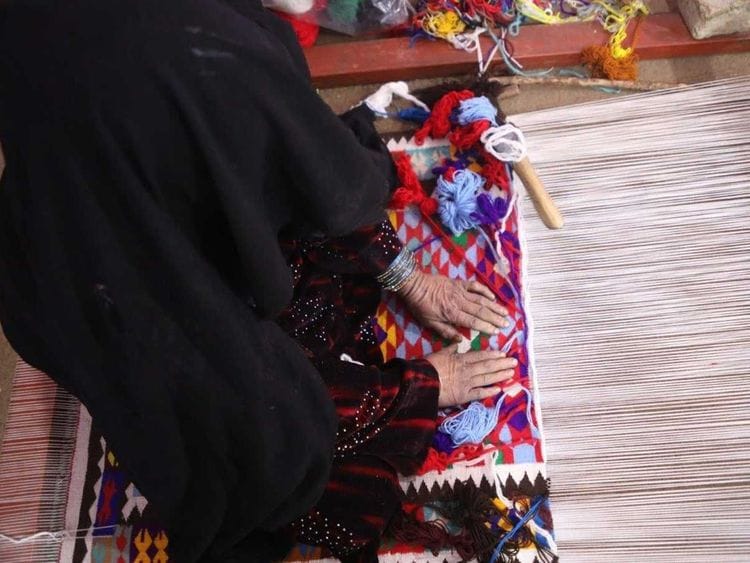
Islamabad: To preserve the traditional art of carpet-weaving and encourage the next generation of artisans, the UN refugee agency and Sharjah-based organisation NAMA have joined hands to support women artisans in Quetta – the largest city in Pakistan’s Balochistan province.
The project will benefit nearly 100 semi-skilled Afghan refugees and Pakistani craftswomen who will be trained and also offered monthly stipends to support their families while they are working. The venture aims to empower communities, particularly the women artisans, “through an opportunity to polish their carpet-weaving skills while improving their income-generating capacity” and preserving the cultural heritage.
Also Read
Pictures: Heavy rains in Pakistan kill 90, disrupt life in KarachiPhotos: Pakistan celebrates 74th Independence dayPhotos: Heavy monsoon rains flood roads in LahoreIn pictures: Pakistan battles increase in COVID-19 infectionsThe collaborative initiative by the United Nations High Commissioner for Refugees (UNHCR) and NAMA Women Advancement Establishment of the United Arab Emirates (UAE) aspires to empower marginalised refugees as well as Pakistani women. The project is also supported by NAMA’s affiliate organization, Irthi Contemporary Crafts Council, which aims to empower women socially and economically through the modernisation and revival of traditional crafts.
“Such projects are imperative to enable women to improve their technical skills and boost their self-reliance,” said Zephania Amuiri, the head of UNHCR’s sub-office in Quetta. He lauded the efforts of NAMA for facilitating to empower women with a mission to showcase their work at the international level.
Sustainable reintegration
The project would also enhance the prospects of refugees for sustainable reintegration upon their voluntary return to Afghanistan by developing their technical and vocational skills, he said. “When empowered and skilled, refugee returnees, especially women, will play a vital role in making their country prosperous and peaceful,” the UNHCR official added.
An estimated 100,000 Afghan carpet-weavers are working in different cities of Pakistan, mostly in Khyber Pakhtunkhwa province. Most of them moved their businesses to Pakistan due to the prolonged war in Afghanistan leading to sharp drop in exports. Experts call for efforts to revive the splendid yet declining art of carpet weaving that has endured for hundreds of years through training programs for the Afghan refugee population in Pakistan.
Sign up for the Daily Briefing
Get the latest news and updates straight to your inbox
Network Links
GN StoreDownload our app
© Al Nisr Publishing LLC 2026. All rights reserved.