UAE braces for final wave of heavy rain as weather system moves east
Thunderstorms, strong winds and hail expected before conditions stabilise
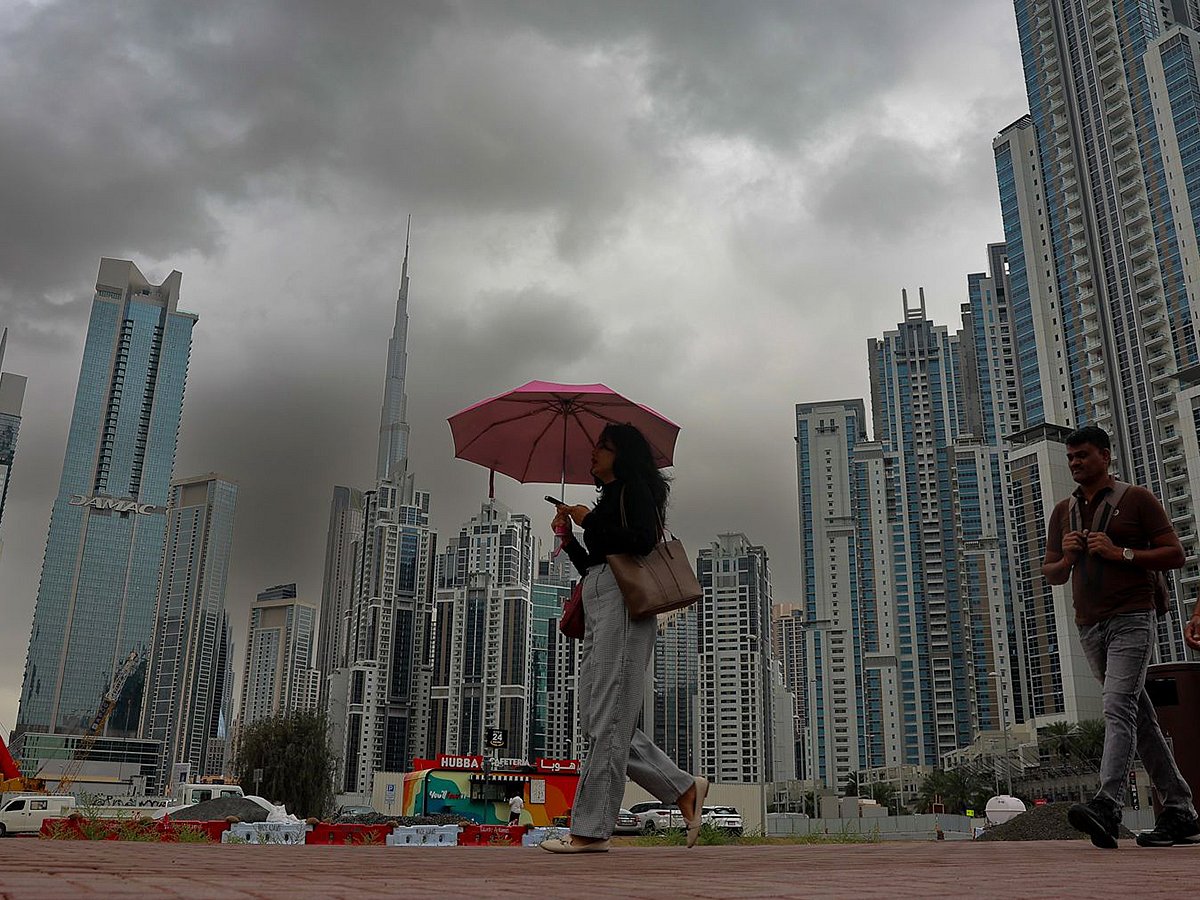
Abu Dhabi: The UAE is expected to see the final phase of the latest spell of unstable weather between March 25 and 28, with heavy rain, thunderstorms and strong winds gradually giving way to cooler and windier conditions, according to the National Centre of Meteorology (NCM).
The NCM said the latest rain band began over western parts of the country before moving overnight towards Al Dhafra and Abu Dhabi, spreading by daytime to northern areas, Al Ain and eastern regions.
The system brought heavy rainfall at times, accompanied by lightning, thunder and occasional hail in limited areas, before cloud cover was expected to gradually decrease overnight.
NCM said the impact of the low-pressure system would begin to weaken gradually, although chances of light to moderate rainfall would remain, particularly over islands and some northern areas at intervals.
Since last Saturday, the country has experienced successive waves of rainfall that initially affected western regions and islands before extending to coastal and urban areas including Al Dhafra, Abu Dhabi, Dubai, Sharjah, Ajman, Umm Al Quwain and Ras Al Khaimah, before reaching inland northern and eastern regions and Al Ain.
Satellite imagery and weather radar data indicated varying cloud formations moving from west to east across the country, with convective cloud activity producing periods of heavy rain as the system progressed towards Abu Dhabi, Dubai, the northern emirates and Fujairah.
Stay updated: Get the latest faster by downloading the Gulf News app now - it's completely free. Click here for Apple or here for Android. You can also find it on the Huawei AppGallery.
Conditions are expected to stabilise further after March 28, with cloud cover decreasing and north-westerly winds becoming active to strong at times, particularly at sea, accompanied by a drop in temperatures.
Winds are forecast to shift from south-easterly to north-easterly before turning north-westerly, raising dust and sand in exposed areas and reducing horizontal visibility. Sea conditions are also expected to remain rough at times in the Arabian Gulf and the Sea of Oman.
The National Emergency, Crisis and Disaster Management Authority urged the public to rely on the National Early Warning System for official alerts, stressing that thunder, lightning and loud atmospheric sounds are normal features of unstable weather and should not be linked to other threats.
Authorities said any risks would be communicated immediately through official channels.
Police and municipalities across the country continued operations to drain waterlogged roads and restore traffic flow.
Abu Dhabi Police called on motorists to follow safety guidance during rainfall, including reducing speed, maintaining safe distances, using headlights and avoiding distractions while driving.
Authorities also warned against stopping suddenly, making dangerous lane changes or attempting to cross flooded valleys, urging drivers to monitor official weather updates and adhere to traffic instructions.
Separately, authorities advised delivery motorcycle riders to suspend movement during severe weather due to the increased risk of skidding on wet roads.
Riders were urged to resume services only once conditions improved and to comply with safety requirements including protective gear, proper lighting and regular maintenance.
Traffic departments stressed that driving in rainy conditions requires heightened attention due to reduced visibility and higher accident risks, warning that speeding, distraction and failure to maintain lane discipline remain among the main causes of incidents during unstable weather.
Network Links
GN StoreDownload our app
© Al Nisr Publishing LLC 2026. All rights reserved.