US-Iran standoff: What residents need to know today (Aug. 14, 2026)
2 ADNOC ships hit, markets watch Hormuz as UAE balances travel peak with Gulf risks
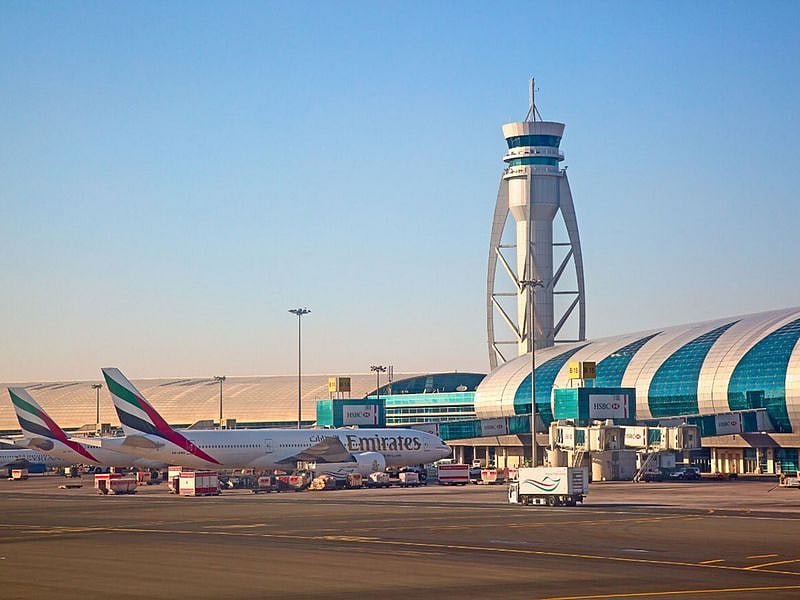
As UAE airports enter one of the busiest periods of the summer travel season, the US-Iran standoff is entering a new phase, with the Strait of Hormuz remaining at the centre of the crisis affecting the entire planet.
The UAE said early on Friday that two vessels affiliated with Abu Dhabi National Oil Company (ADNOC), were attacked while transiting the strategic waterway. ADNOC said there were no injuries and the situation was brought under control.
The UAE has strongly condemned the incident.
Get it: Fast, verified news for FREE ... download the Gulf News app — simply click here
The attacks came only days after the UAE said another ADNOC-linked vessel had been targeted in the strait, underscoring how quickly commercial shipping has become entangled in the US-Iran standoff.
At the same time, Washington is threatening to keep its blockade of Iran in place indefinitely, while preparing additional economic measures that Treasury Secretary Scott Bessent has described as unprecedented.
UAE residents are keen on what happens next to shipping, aviation, fuel prices, trade and regional security.
Hormuz remains the biggest immediate concern
The Strait of Hormuz is the narrow maritime gateway between the Arabian Gulf and the Gulf of Oman. For the UAE, it is not simply a distant geopolitical flash point: it is part of the country's energy and commercial lifeline.
The latest attacks involving ADNOC vessels raise the possibility that commercial shipping could face even greater security restrictions, rerouting and delays.
The UAE has already adapted its oil-export strategy to the crisis. Yet disruptions at sea can eventually feed into freight costs, insurance premiums, energy markets and consumer prices.
Washington is hardening its position
The US says its naval pressure on Iran can be sustained for as long as necessary.
US Defense Secretary Pete Hegseth said naval forces would rotate to maintain the blockade, rather than treating it as a short-term deployment. The blockade has already sharply reduced maritime traffic and squeezed Iran's principal revenue channels.
Washington is also preparing a new round of economic measures. Bessent said the US would unveil measures aimed at isolating Iran economically on a scale not previously seen.
That creates two simultaneous pressure points: military pressure at sea + financial pressure on Iran. Tehran could tightening still its grip on Hormuz or target more commercial shipping.
Most UAE flights are operating — but don't assume schedules are normal
UAE airports remain operational, but aviation across the region continues to be affected by changing security conditions.
Etihad Airways, Emirates, Air Arabia and flydubai continue operating across the region, although some flights to Bahrain, Kuwait and Saudi Arabia remain cancelled or subject to change.
Travellers to India should also allow extra time, with heightened security ahead of the country's Independence Day on August 15.
Airports including Delhi, Mumbai, Bengaluru, Kochi and Thiruvananthapuram have warned of longer processing times, while Air India, IndiGo and SpiceJet have advised passengers to arrive early for check-in and security.
For UAE residents flying today:
Check the airline's live flight status before leaving for the airport.
Allow extra time for possible operational changes.
Do not rely solely on yesterday's flight schedule.
If connecting through another Gulf airport, check both sectors of the journey.
Expect airlines to make changes with relatively little notice if the security situation deteriorates.
The key point is that UAE aviation has not stopped, but the regional network remains fluid.
Oil prices are reacting — but not in a straight line
One of the striking features of the current crisis is that oil prices have not simply moved upward with every escalation.
Brent crude fell to about $86.93 a barrel late on Thursday, before rising slightly to $87.17 at 1.18pm Tokyo time on Friday |(Aug. 14) as markets weighed geopolitical risk against weaker demand expectations.
The more important question for the UAE is whether the disruption becomes prolonged. A sustained reduction in oil flows through Hormuz could eventually affect crude availability, shipping insurance, tanker rates and refined-product markets. Reuters reported that global oil supply is already expected to be significantly lower this year because of the conflict.
UAE life normal
Most residents continue to work, travel, shop and go about their routines.
But the geography of the crisis means developments can have rapid knock-on effects. A major attack on a tanker, a prolonged closure of Hormuz, a strike on Gulf infrastructure or a breakdown in diplomatic talks could change the situation quickly.
For that reason, residents should watch official UAE announcements and airline notices rather than social-media rumours.
What to watch over the next 24–72 hours
The next few days could hinge on five developments:
Hormuz: Do commercial vessels continue moving, or does traffic fall further?
Tanker attacks: Will the UAE report additional attacks or changes to its shipping operations?
Washington: How far will the US go with its promised economic isolation campaign?
Tehran: Will Iran respond militarily, tighten restrictions on shipping or return to negotiations?
Aviation: Will airlines restore regional routes, or extend cancellations and rerouting?
Keep travel plans flexible
Check flight information before heading to the airport. Follow UAE authorities for security instructions.
Avoid sharing unverified reports about attacks or airspace closures.
An apparently distant incident in Hormuz can affect shipping, aviation and energy markets within hours, not just the UAE but the wider world.
Keeping one of the world's most connected economies moving while a geopolitical fault line runs just beyond its shores.
Sign up for the Daily Briefing
Get the latest news and updates straight to your inbox
Network Links
GN StoreDownload our app
© Al Nisr Publishing LLC 2026. All rights reserved.