US–Iran War: What UAE residents need to know today (July 15, 2026)
Strait of Hormuz tensions fuel volatility, prompting caution for UAE residents
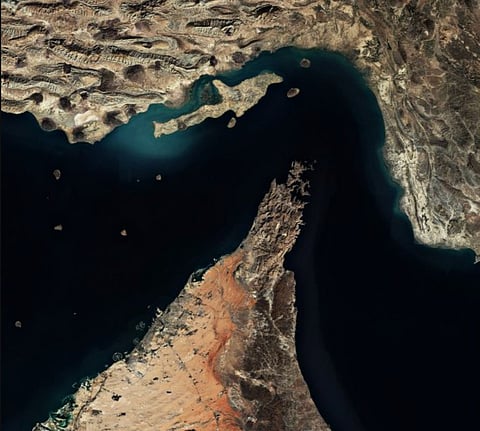
Residents across the region are facing renewed uncertainty Wednesday as the conflict between the United States and Iran intensifies, disrupting regional air travel, threatening commercial shipping through the Strait of Hormuz and prompting fresh security advisories.
Get updated faster and for FREE: Download the Gulf News app now - simply click here
The latest escalation follows the collapse of a fragile 60-day diplomatic framework between Washington and Tehran.
The US has resumed military strikes on targets in southern Iran and reimposed a naval blockade on Iranian ports after accusing Tehran of renewed attacks on commercial shipping in the Strait of Hormuz.
Iran, in turn, has vowed retaliation and continued to challenge maritime traffic through one of the world's busiest energy chokepoints.
Here's what UAE residents should know today:
US naval blockade comes into effect
A renewed US blockade on Iranian ports came into effect at 12:01 am Gulf Standard Time on Wednesday, July 15, 2026 (20:01 GMT on Tuesday), preventing vessels from transiting to and from Iranian ports and coastal areas.
"There are currently more than 20 US Navy warships and hundreds of military aircraft operating across the Middle East," US Central Command said in a statement. "American forces remain vigilant, lethal, and ready."
US military completes latest wave of strikes on Iran
The US military Central Command said it carried out a new wave of strikes on dozens of military targets in Iran.
"U.S. fighter aircraft, drones, and naval vessels launched precision munitions against Iranian missile and drone sites, naval capabilities, and coastal defense systems during the seven-hour wave to further degrade Iran's ability to threaten commercial shipping and civilian crews," CentCom said. Earlier, CentCom said the strikes were aimed at "degrading Iranian capabilities used to attack commercial shipping in the Strait of Hormuz."
Iran Guards say Hormuz will remain shut
Iran's Revolutionary Guards said the Strait of Hormuz would remain closed until the United States ends its "acts of aggression" and warned that other regional oil export routes could also become targets.
"The enemy should know that now that its maritime raiders have blocked the Indian Ocean route for oil and gas exports to the world -- thereby endangering the interests of America's economic rivals -- it should also expect the closure of other oil and gas export routes that serve the interests of the United States and its allies," the statement said.
They did not elaborate on which routes could be affected.
"Oil and gas exports from the region will either be available for everyone or for no one," they added.
Iran attacks US targets in Jordan, Kuwait, Bahrain
Iranian state-run television IRIB reported that Iran's army and the Revolutionary Guards carried out separate attacks on US targets in Jordan, Kuwait and Bahrain.
The army said it targeted the Al-Azraq base in Jordan with drones, IRIB reported. Separately, the Guards said they fired cruise missiles at a US military logistics centre in Kuwait.
The Guards also said they struck facilities used by the US Fifth Fleet in Bahrain.
Kuwait and Jordan said they intercepted drones and missiles from Iran, while Bahrain's interior ministry said sirens rang out.
Trump threatens Iranian power plants
US President Donald Trump said in an interview broadcast Tuesday he would expand US strikes on Iran next week to target power plants and bridges if Tehran does not make a deal.
Iranian state-run television IRIB reported that Iran's army and the Revolutionary Guards carried out separate attacks on US targets in Jordan, Kuwait and Bahrain.
The army said it targeted the Al-Azraq base in Jordan with drones, IRIB reported. Separately, the Guards said they fired cruise missiles at a US military logistics centre in Kuwait.
The Guards also said they struck facilities used by the US Fifth Fleet in Bahrain. Kuwait and Jordan said they intercepted drones and missiles from Iran, while Bahrain's interior ministry said sirens rang out.
Trump threatens Iranian power plants
US President Donald Trump said in an interview broadcast Tuesday he would expand US strikes on Iran next week to target power plants and bridges if Tehran does not make a deal.
Flights remain under pressure
Several airlines have rerouted, delayed or suspended services through parts of Gulf airspace as aviation authorities monitor the deteriorating security environment.
European aviation regulators have advised carriers to avoid or carefully assess operations over parts of the Gulf, while several international airlines have adjusted schedules to reduce exposure to potential missile or drone threats.
Travelers are advised to check directly with their airlines before heading to airports.
Shipping tensions continue to build
Commercial shipping through the Strait of Hormuz remains under heightened risk after attacks on vessels and the U.S. decision to restore its blockade of Iranian ports.
Maritime security firms are reporting increased military activity, with some shipping companies delaying sailings or altering routes where possible. Iran's so-called "dark fleet" — tankers that operate with limited tracking —has also drawn renewed attention as sanctions enforcement tightens.
Fuel and energy markets remain volatile
Although the UAE's domestic fuel pricing system has not announced emergency changes, regional crude prices have climbed amid concerns that any prolonged disruption in Hormuz could constrain global oil supplies.
Analysts say motorists and businesses should expect continued price volatility as traders react to developments in the Gulf.
Authorities continue monitoring security
Authorities continue to monitor regional developments closely. Residents are encouraged to rely on official government announcements and avoid spreading unverified information circulating on social media.
The UAE has significantly strengthened its air-defense posture since earlier phases of the conflict, when Iranian missile and drone attacks targeted Gulf states.
What happened overnight
US forces resumed strikes against Iranian military targets after President Donald Trump warned that additional attacks — including power plants, bridges, and other infrastructure — could follow "next week" if Tehran refuses to return to negotiations.
Iran has condemned the renewed military campaign while continuing to threaten commercial navigation through Hormuz, raising fears that the conflict could widen further across the Gulf.
Why the Strait of Hormuz matters
The Strait of Hormuz is one of the world's most strategically important waterways, connecting the Persian Gulf with the Gulf of Oman and the Arabian Sea.
Roughly one-fifth of globally traded crude oil passes through the narrow passage. Any disruption can ripple through international energy markets, shipping insurance, aviation routes and consumer prices far beyond the Middle East.
What happens next?
Military analysts say the next several days will likely determine whether the crisis remains a limited exchange or expands into a broader regional confrontation.
Key developments to watch include:
Additional airline cancellations or airspace restrictions.
Changes in commercial shipping through the Strait of Hormuz.
Possible renewed diplomatic efforts aimed at restoring negotiations between Washington and Tehran.
For UAE residents, officials and security experts continue to recommend monitoring official advisories, confirming travel plans before departure, and remaining alert without assuming that disruptions will necessarily affect all parts of the country.