UAE flags to be raised nationwide: Key rules and etiquette every resident must follow
Guidelines for residents raising flags across homes and buildings
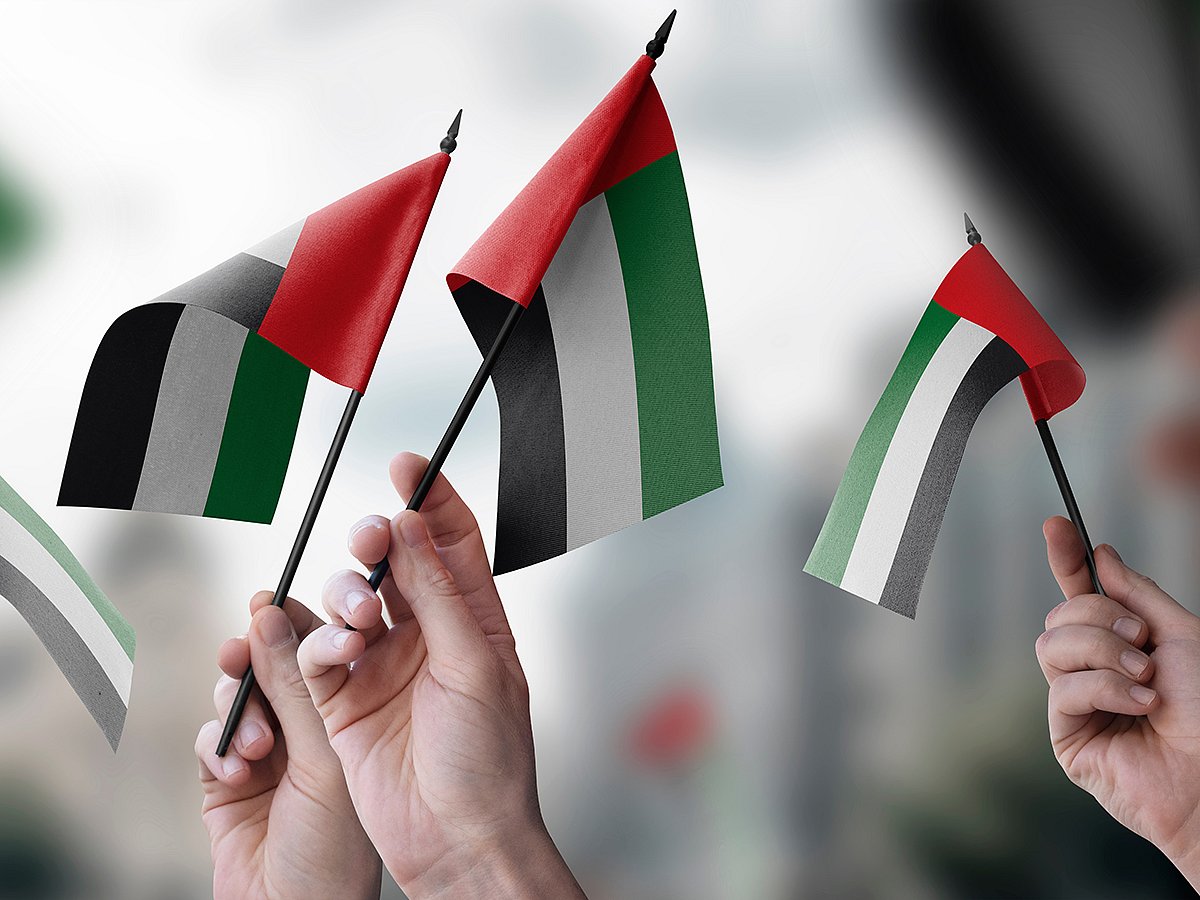
Citizens and residents across the UAE are being urged to raise the national flag across homes, institutions and buildings, in a show of unity and solidarity following recent regional crisis.
The move comes in response to a call by His Highness Sheikh Mohammed bin Rashid Al Maktoum, Vice President and Prime Minister of the UAE and Ruler of Dubai, urging people across the country to hoist the national flag as a powerful symbol of unity and pride.
Get updated faster and for FREE: Download the Gulf News app now - simply click here.
A call for unity and pride
In a post on his X account, Sheikh Mohammed said the UAE had entered a challenging period united and emerged even stronger, with citizens and residents standing together under the national flag. He described the UAE flag as a symbol of strength and pride, urging everyone to display it as an expression of belonging, solidarity and national cohesion.
He added that the nation takes pride in its leadership, Armed Forces, strong economy and all those living on its land, calling for the flag to be raised high above every home and building as a sign of loyalty and unity. He concluded with a prayer for the continued strength and prosperity of the UAE.
What to know before raising the UAE flag
As flags are raised across the country, authorities have urged the public to follow official flag-raising etiquette as outlined in the UAE Ministry of Cabinet Affairs’ guidelines. The UAE flag must always be treated with respect and displayed correctly in accordance with national protocol.
Any act of disrespect towards the national flag is considered a serious offence under UAE law, carrying penalties of imprisonment ranging from 10 to 25 years and fines of no less than Dh500,000.
The history and meaning of the UAE Flag
The UAE national flag was first raised on December 2, 1971 by the UAE’s Founding Father, the late Sheikh Zayed bin Sultan Al Nahyan, during the celebrations marking the establishment of the Union.
The flag was designed by Abdullah Al Maeena, who won a national competition organised by Al-Ittihad newspaper in 1971.
The flag’s colours - red, green, white, and black, were inspired by a verse from the poem of Safi al-Din al-Hilli, which reads: “White are our acts, green our fields, black our battles, and red our swords.”
Each colour carries deep symbolism:
Red represents courage and sacrifice.
Green symbolises prosperity and growth.
White stands for peace and honesty.
Black signifies strength and determination.
UAE Flag guidelines: How to display and care for the flag
According to the UAE Flag Guidelines issued by the UAE Cabinet, the flag must always be treated with respect and maintained properly. Below are key instructions to follow when hoisting or displaying the UAE flag:
Keep it clean and ironed – the flag should always appear neat and presentable.
Replace when damaged – if the flag is torn, faded or discoloured, it must be replaced immediately.
Inspect before raising – ensure the flag is not damaged or tangled before it is hoisted.
Check after bad weather – after storms or harsh weather, examine the flag to ensure it remains in good condition.
Handle respectfully when worn out – an old flag should be carefully folded, stored, or recycled by cutting it into pieces so that it no longer resembles the national flag. Burning the flag is strictly prohibited for environmental reasons.
Never insult or mishandle the flag – lowering it in contempt, tearing, or damaging it in any way is a criminal offence under Article 3 of Federal Decree Law No. 13 of 2019.
Fold it properly after use – the flag should be neatly folded and stored in a flag box when not displayed.
Flag material and condition
Flags must be clean, undamaged and vibrant. Faded or torn flags should not be used. They should be made from durable, weather-resistant fabric such as nylon and designed to flutter freely in the wind. Regular replacement is recommended to maintain a pristine appearance.
Flag and pole dimensions
Flag size varies by location:
On buildings: 1.5m x 3m flag; 8–10m pole
In front of buildings: 1m x 2m flag; 10–12m pole
Inside halls: 1m x 2m flag; 4–6m pole
In offices: 2.5m pole
Flagpoles must be white, with ropes matching the pole colour. The finial at the top should also be white and proportionate in size.
Placement rules
If flags are displayed in an even number, the UAE flag should be placed on the far left. If the number is odd, it should be positioned in the centre.
On ships, the UAE flag is raised at the centre when sailing and at the stern when docked. During official speeches, it is placed to the left of the podium, slightly above the speaker’s head.
When draping a coffin, the red section should be placed at the top. The flag must never touch the ground and should be folded and presented to the family after the ceremony.
Proper display and positioning
Flags along streets must hang vertically, with the red stripe on top and black on the left. When displayed horizontally, the red stripe should remain at the top. Only the UAE flag should be displayed on a given street during national occasions.
Legal penalties for flag insult
Under Article 3 of Federal Decree Law No. 2 of 1971, amended by Federal Decree Law No. 13 of 2019, anyone who desecrates or insults the UAE flag or the flag of any other recognised state may face:
Imprisonment between 10 and 25 years
A fine of no less than Dh500,000
Insulting or damaging the UAE flag is considered an act that undermines national security.
Incorrect use of the UAE Flag
To protect the dignity of the national symbol, certain uses of the UAE flag are prohibited:
No logos, emblems or decorative additions may be placed on the flag (except for the Presidential Flag, which bears the national emblem).
The flag must not be altered in size or shape for decorative or promotional purposes.
The flag must not be printed on disposable materials or food items such as sweets or cakes.
It must never be used in ways that could damage or disrespect it, including for advertising or typography.
Network Links
GN StoreDownload our app
© Al Nisr Publishing LLC 2026. All rights reserved.