The real-life couple sizzled in 'Bajirao Mastanio,' the epic historical romance film directed by Sanjay Leela Bhansali. The flamboyant sets were perfect for the romantic duo.
Before Dhurandhar blockbuster, Ranveer Singh warned us in Gulf News interview: 'This kind of role breaks you'
Ranveer Singh on pain, obsession and survival — an earlier chat that aged perfectly
Last updated:
3 MIN READ
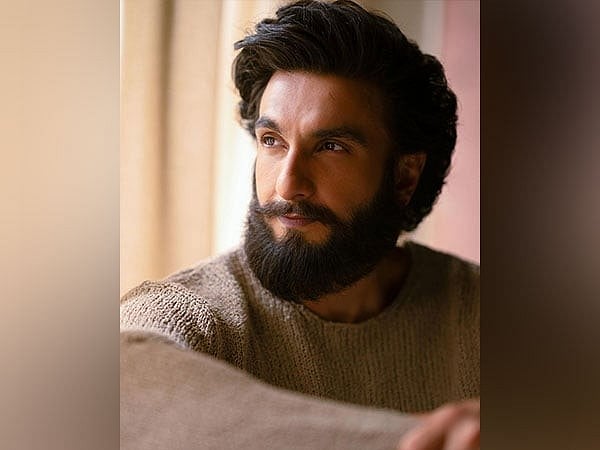
Ranveer Singh (image source: instagram)
Dubai: As Dhurandhar continues to dominate online conversation, Ranveer Singh’s words from a 2018 interview feel uncannily current. Long before audiences began decoding his latest performance for its raw physicality and emotional intensity, the actor had already spoken about what complete surrender to a role truly costs.
When I spoke to Singh during the release of Sanjay Leela Bhansali’s Bajirao Mastani, he described an acting process shaped by exhaustion, injury and emotional vulnerability — but also by an almost obsessive commitment to craft. The period epic was filmed over more than 200 days in harsh, chaotic conditions, pushing its cast to physical and mental limits.
“For me, the process of acting in such a film is my biggest prize,” Singh said at the time. “It’s not about what happens on the day the film releases. The most rewarding feeling is that I got the opportunity to do what I have always wanted to do.”
That philosophy — of valuing immersion over outcome — now mirrors the conversation around Dhurandhar, a performance that once again underlines Singh’s reputation as an actor unafraid to put himself through extreme demands for the sake of authenticity.
During the shoot of Bajirao Mastani, Singh suffered a serious shoulder injury after being flung off a horse. What initially seemed manageable soon escalated into surgery, forced rest and an emotional low that caught him off guard.
“I just went into this deep emotional funk,” he admitted. “I had become depressed and began feeling very low. It was not a good space to be in.”
The injury led to weight gain and a prolonged recovery, but not to retreat. Singh was clear that he had no intention of adding safety clauses to his contracts or stepping away from physically demanding roles.
“The injury is not going to stop me from doing my own stunts,” he said. “It was no one’s fault.”
Working under Bhansali — a director renowned for both his creative brilliance and relentless process — only intensified the experience. Singh described a constantly evolving set where lines, movements and emotional beats could change without warning.
“You need to be switched on every second,” he said. “The best thing to do in a Bhansali film is to go in with a blank slate.”
It was a method that demanded instinct, adaptability and emotional openness — qualities Singh embraced rather than resisted. While he acknowledged the difficulty of the process, he credited Bhansali with consistently drawing out performances actors did not know they were capable of delivering.
Sanjay Leela Bhansali, Deepika Padukone and Ranveer Singh during the trailer launch of film Bajirao Mastani.
That same philosophy extended to his co-stars. Sharing screen space with performers like Priyanka Chopra and Deepika Padukone, Singh rejected competition in favour of collaboration. “Best scenes are born out of actors who trust each other,” he said, adding that generosity on set mattered more to him than one-upmanship.
Viewed today, with Dhurandhar reaffirming his standing as one of Bollywood’s most fearless performers, the interview reads less like a reflection on a single film and more like a blueprint for his career. The projects may change, the scale may grow — but the approach remains the same.
For Ranveer Singh, the scars have never been incidental. They are the point.
Network Links
GN StoreAbout Gulf NewsTerms & ConditionsReach by GNSitemapContact usPrivacy PolicyGN FocusHave your sayWork with usAdvertise with usGulf News epaperPrinting Services
Download our app
© Al Nisr Publishing LLC 2026. All rights reserved.