Vance warns of 'energy crisis' as Iran, Houthis threaten key oil routes
Saudi pipeline shutdown and Red Sea threats raise risk of supply crunch
US Vice President JD Vance has warned that the widening Iran conflict could trigger a major energy crisis as disruptions spread across both of the Middle East's critical maritime chokepoints — the Strait of Hormuz and Bab Al Mandab.
The warning has become more consequential in recent days as Iran's pressure on shipping around Hormuz has coincided with a rapid Houthi advance along Yemen's Red Sea coast.
Get it: Fast, verified news for FREE ... download the Gulf News app — simply click here
Immediate concern
The immediate concern is no longer simply whether ships can pass through the Strait of Hormuz.
The conflict is increasingly threatening the alternative routes that Gulf producers use to move oil when Hormuz becomes difficult or dangerous.
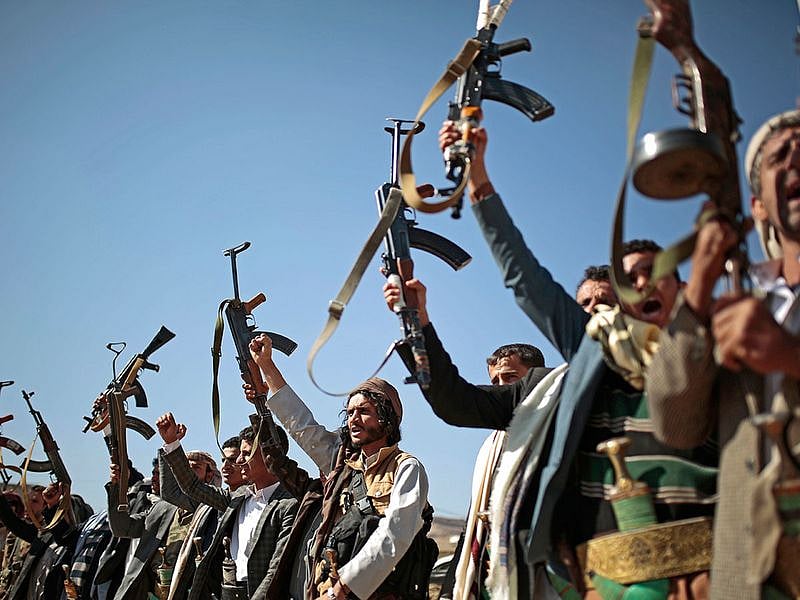
The Houthis, who are aligned with Iran, have captured the Red Sea port of Mocha and the strategically important Perim (Mayun) Island near the Bab Al Mandab Strait.
The advance gives the group greater ability to threaten shipping entering or leaving the Red Sea.
AP says the development has renewed concern over a chokepoint that had previously served as an alternative route for Saudi oil exports when Hormuz was restricted.
At the same time, Saudi Arabia temporarily shut its 1,200-kilometre East-West pipeline, after an aerial attack.
The pipeline is designed to carry Saudi crude from the Gulf to the Red Sea, allowing exports to bypass Hormuz.
Reuters reported that it had been moving roughly 4 million to 5 million barrels per day, equivalent to about 4%–5% of global oil supply.
That creates a particularly serious problem: Hormuz is being disrupted from the east while the alternative Saudi export route toward the Red Sea is under pressure from the west.
Why Bab Al Mandab matters
Bab Al Mandab is the southern gateway between the Red Sea and Gulf of Aden. It is the maritime connection used by ships moving between the Indian Ocean and the Suez Canal route to Europe.
The Washington Post, citing UN data, says about 8.7% of global seaborne trade passes through the strait, including substantial shares of container, vehicle and oil-product traffic.
If shipping through Bab Al Mandab becomes unsafe, vessels travelling between Asia and Europe may have to take the much longer route around the Cape of Good Hope, adding considerable sailing time, fuel consumption, insurance and freight costs.
The risk makes it broader than oil: containerised goods, LNG, refined petroleum products, cars and other commodities can all be affected.
Network Links
GN StoreDownload our app
© Al Nisr Publishing LLC 2026. All rights reserved.