Iran deploys hundreds of IRGC officers to Yemen to target Bab al-Mandab Strait
Iran’s expanded role in Yemen heightens risk to global energy and trade
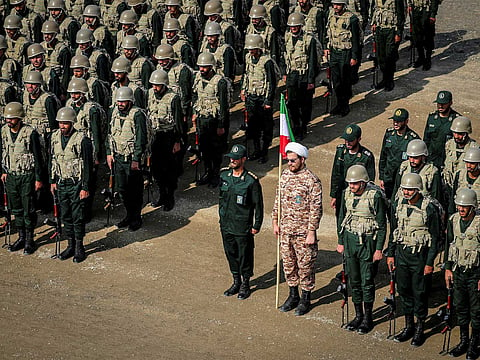
US officials believe hundreds of officers from Iran’s Islamic Revolutionary Guard Corps (IRGC), are currently operating in Yemen alongside the Iran-backed Houthi movement, helping coordinate operations aimed ultimately at shutting the strategic Bab al-Mandab Strait, CNN reported, citing a US official.
The deployment comes as the Houthis have dramatically expanded their position along Yemen’s Red Sea coast.
IRGC is designated by the EU as a terrorist group.
On Thursday, the Houthis seized Mokha, a strategic port roughly 80 km from Bab al-Mandab, after days of fighting with Saudi-backed Yemeni government forces. Houthi forces have also moved toward the strategically important Hanish Islands, according to military sources cited by Reuters.
Get it: Fast, verified news for FREE ... download the Gulf News app — simply click here
The developments raise the prospect of a second major maritime chokepoint being brought under pressure at the same time that the Strait of Hormuz is severely disrupted by the US-Iran war.
A second chokepoint under threat
Bab al-Mandab connects the Red Sea with the Gulf of Aden and provides the maritime gateway to the Suez Canal.
Control or effective closure of the strait could force ships between Asia and Europe to take the much longer route around Africa.
The Houthis' capture of Mokha gives them a direct presence near one of the world's most important shipping corridors.
UN Yemen envoy Hans Grundberg warned that the advance represented a “new and more dangerous phase” in the conflict.
The timing is particularly serious because Hormuz is already compromised. Shipping through the Persian Gulf chokepoint has plunged amid US-Iran attacks on tankers and threats against commercial vessels.
Iran's role is under scrutiny
The US assessment that hundreds of IRGC personnel are in Yemen would indicate a potentially significant escalation in Tehran's direct involvement.
Reuters reported separately that Yemeni government, Iranian and regional sources said the Houthi coastal offensive was being carried out with direct guidance from Iran's Revolutionary Guard Corps.
Iran denies controlling the Houthis, while the group maintains that its military decisions are its own.
The distinction matters. Iran has long provided the Houthis with weapons, technology and military expertise, but a large-scale deployment of IRGC personnel would represent a much more direct Iranian role in operations threatening international shipping.
Shipping squeeze
A simultaneous squeeze on Hormuz and Bab al-Mandab could create an unprecedented energy and shipping shock.
Hormuz is the principal export route for Gulf oil and gas, while Bab al-Mandab is critical for shipping between the Indian Ocean, Red Sea and Suez Canal.
With both routes under pressure, shipping companies could be forced into longer and more expensive journeys, while insurers raise war-risk premiums.
The immediate market reaction is already visible: Brent crude rose above $107 a barrel after the Houthi advance and growing fears over Saudi oil exports.
The strategic danger is bigger than Yemen: Iran could potentially gain leverage over two maritime chokepoints on opposite sides of the Arabian Peninsula, threatening energy supplies and global trade at the same time.


