UAE’s ENOC, Emarat ink pact to ensure uninterrupted jet fuel supply
MoU aims to ensure uninterrupted jet fuel supply across UAE aviation hubs
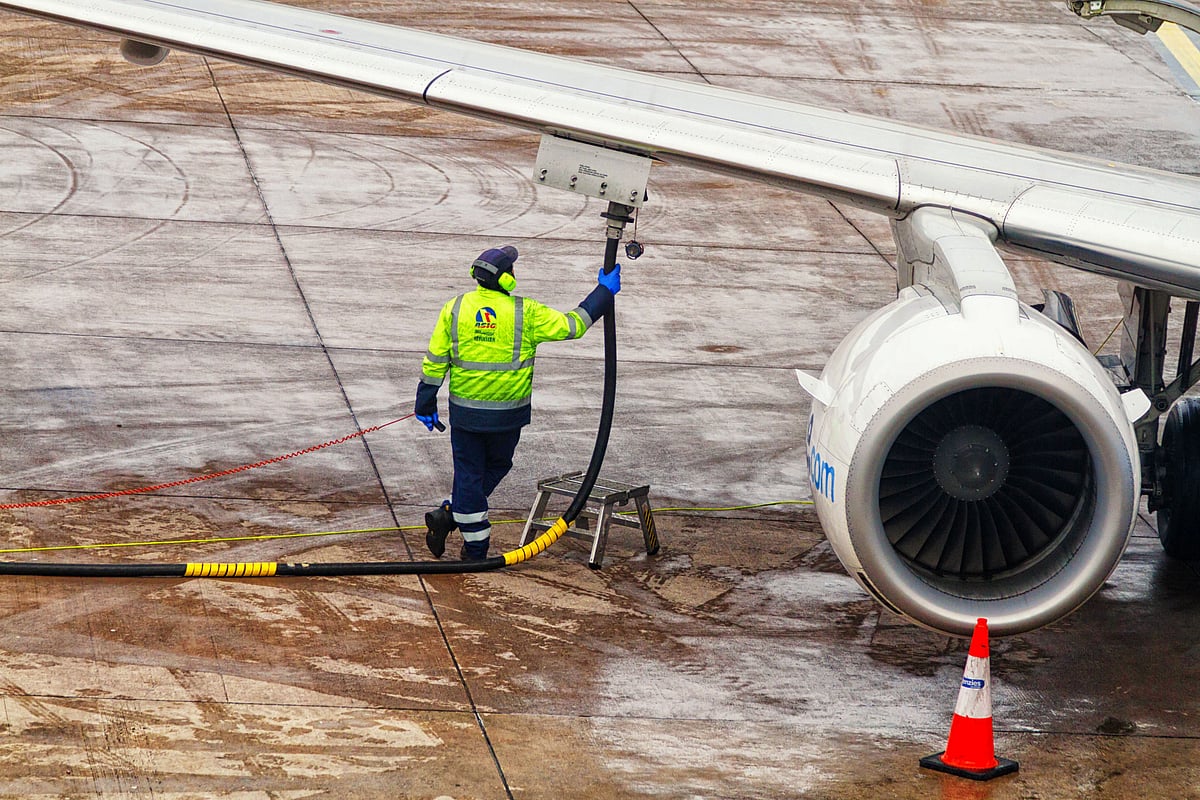
Dubai: As global airlines cut flights and trim operations amid jet fuel shortages, the UAE's ENOC Group and Emirates Petroleum Company (Emarat) signed a deal to ensure uninterrupted jet fuel availability across the country’s airports.
The agreement, announced on Friday, is focused on strengthening business continuity planning for Jet A-1 fuel — the lifeblood of airline operations — at a time when global supply chains remain vulnerable to disruption.
The Strait of Hormuz, which is under blockade, handles a huge share of seaborne crude and fuels, so any prolonged disruption can ripple through global prices, shipping costs and refinery operations.
The MOU sets out a structured framework for coordination between the two state-backed energy players, including clear processes to support fuel supply management and the timely coordination of pipeline transfer and truck loading operations.
The plan also includes regular testing, training exercises, and system checks to ensure readiness at all times.
“As a vital contributor to the UAE’s energy ecosystem, ENOC recognises the critical importance of maintaining uninterrupted fuel supplies for the aviation sector,” said Hussain Sultan Lootah, CEO of ENOC Group.
He added that the partnership will bring in “advanced logistics solutions and coordinated emergency response strategies” to ensure seamless fuel delivery, reinforcing the UAE’s position as a global aviation hub.
The agreement comes as aviation demand remains strong, with UAE carriers operating near full capacity on many routes and airports handling growing passenger volumes.
Get updated faster and for FREE: Download the Gulf News app now - simply click here.
Supporting aviation ecosystem
Any disruption to fuel supply could have a cascading impact on airline schedules, cargo operations, and the wider economy.
Burhan Al Hashemi, CEO of Emarat, described fuel continuity as a “national responsibility”, noting that the partnership formalises how both entities will respond not just during normal operations but in crisis scenarios.
“By aligning our preparedness, our people, and our procedures in advance, we are strengthening operational resilience and ensuring uninterrupted fuel availability when it counts,” he said.
The Business Continuity Plan will guide how operations are maintained, restored, and scaled during disruptions — whether caused by technical issues, supply shocks, or external events.
For the UAE, where aviation is a key economic pillar linking tourism, trade, and transit traffic, such measures are increasingly seen as essential infrastructure.
Speaking at the CAPA Airline Leader Summit in Berlin, Emirates President Tim Clark said the airline is operating at 65 per cent of its capacity, with roughly 13 per cent of its network still inaccessible due to ongoing airspace disruptions.
“I don’t think things will change how we operate the airline or this model,” Clark said. “We can get this back — the brand is particularly strong.”
According to real-time flight tracking service Flightradar24, Emirates has operated 400 flights since the war broke out late February.
International Energy Agency chief Fatih Birol has warned that even if the waterway reopens quickly, the oil market will not simply snap back to normal, because restoring output, shipping flows and investment will take time.
Network Links
GN StoreDownload our app
© Al Nisr Publishing LLC 2026. All rights reserved.