Tehran’s call: How Mojtaba Khamenei sealed the Iran deal
Public escalation, private diplomacy — the pattern behind the ceasefire
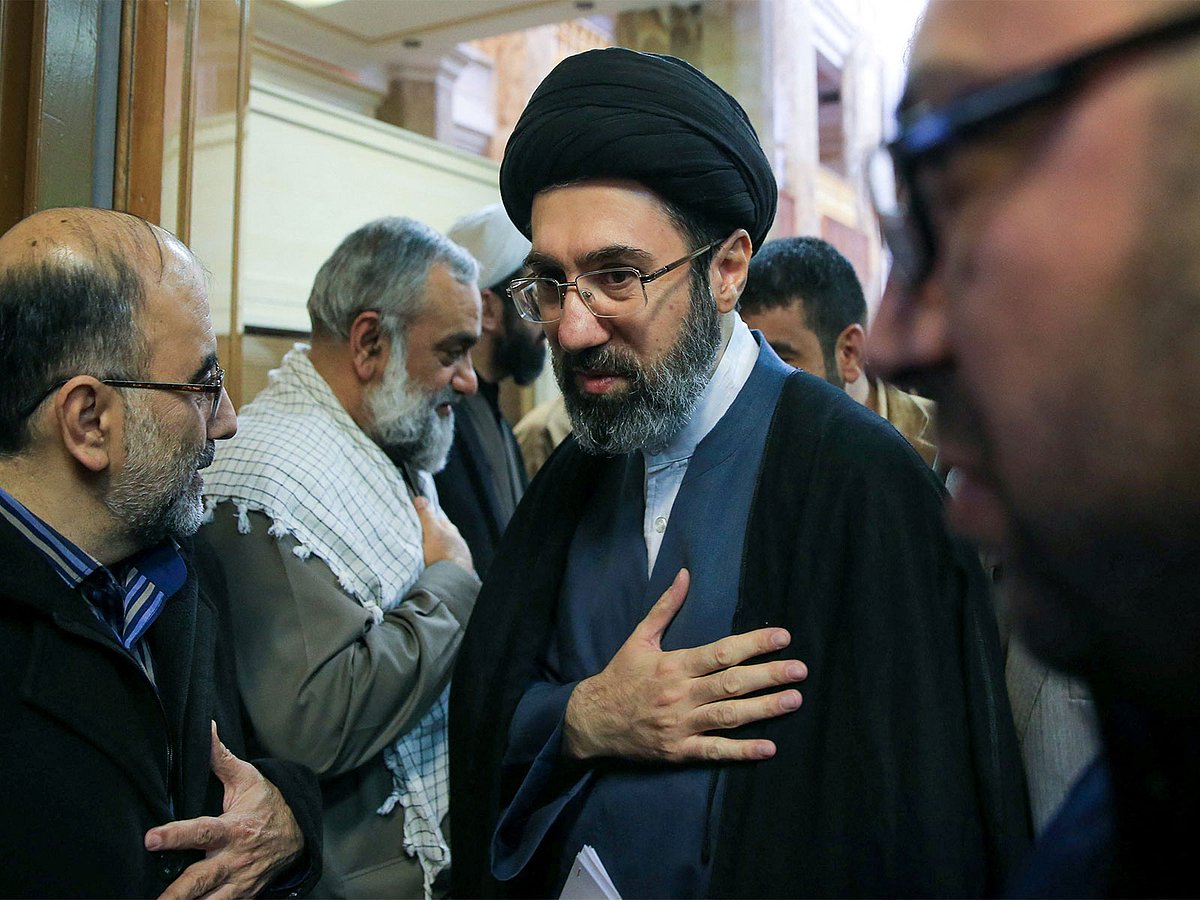
Dubai: In the end, the deal was not decided in Washington — but in Tehran, where Supreme Leader Mojtaba Khamenei quietly gave the green light, a decisive intervention that broke weeks of deadlock, according to Axios.
The ceasefire that followed brought a sudden halt to weeks of escalating confrontation between the United States and Iran, offering markets and governments alike a moment of relief after fears of a wider regional war.
But while the outcome appeared dramatic — coming just hours before US President Donald Trump’s most severe threats were set to take effect — the path to that deal had been taking shape well before the final deadline.
Trump’s Iran playbook: Apocalyptic threats deliver short-term results — but a strategic mess remains
Even as Trump escalated his rhetoric, warning of catastrophic consequences if Iran did not back down, diplomacy was quietly unfolding behind the scenes.
According to Axios, channels of communication between Washington and Tehran remained active throughout the crisis. Messages were relayed through a network of intermediaries, with Pakistan, Egypt and Turkey playing key roles in shuttling proposals and counter-proposals between the two sides.
The negotiations were tense and often appeared on the brink of collapse. At one stage, US officials described Iran’s response as inadequate, reflecting deep divisions over the terms of a ceasefire. Yet talks never fully broke down. Instead, a series of last-minute revisions kept the process alive.
What emerged was a striking dual-track approach. Publicly, both sides hardened their positions. Trump signalled readiness for a major military escalation, while Iran rejected ultimatums and warned of retaliation.
Privately, however, negotiators continued to search for a way out.
In Washington, officials balanced preparations for possible strikes with efforts to secure a diplomatic breakthrough. Regional allies braced for escalation, even as mediators worked to narrow differences.
In Tehran, decision-making was tightly controlled. The final call rested with Khamenei, who, according to Axios, became actively involved in the negotiations in their closing stages. His approval for negotiators to move forward marked a turning point, transforming a fragile process into a workable deal.
Khamenei, who has not appeared in public since taking over, has been operating largely from the shadows, according to reports.
Fundamental questions unanswered
The ceasefire agreement included provisions to reopen maritime traffic through the Strait of Hormuz, a critical artery through which roughly a fifth of global oil and gas supplies pass. That commitment alone helped calm markets rattled by the risk of prolonged disruption.
Yet for all the relief, the deal leaves fundamental questions unanswered.
Iran’s leadership remains firmly in place, and its security apparatus — led by the Islamic Revolutionary Guard Corps — continues to operate with little visible weakening despite weeks of strikes. Crucially, Tehran retains its nuclear programme, including a significant stockpile of highly enriched material at the heart of the conflict.
The pause in fighting therefore reflects a tactical shift rather than a strategic resolution.
The same dynamics that drove the confrontation — disputes over Iran’s nuclear ambitions, its regional role and control over key energy routes — remain unresolved. The Strait of Hormuz, while reopened, continues to represent a key point of leverage for Tehran and a source of vulnerability for global markets.
The episode reflects a broader pattern in modern conflict: the coexistence of public escalation and private diplomacy. Even at moments of peak tension, communication channels often remain open — offering a pathway to de-escalation.
In this case, it was those quiet exchanges, rather than the loudest rhetoric, that ultimately produced a deal.
For now, the ceasefire offers breathing space.
But with Iran’s core capabilities intact and underlying tensions unresolved, it may prove less a resolution than a pause — one that leaves the risk of renewed confrontation firmly in place.
Axios is a US-based digital news outlet known for delivering fast, concise and high-impact reporting on politics, business and global affairs. Founded in 2016 by veteran journalists, it focuses on insider insights, exclusive scoops and behind-the-scenes coverage — often explaining not just what happened, but why it matters. Its reporting is widely cited for its access to senior officials and decision-makers, making it a key source for understanding developments in Washington and international diplomacy.

Sign up for the Daily Briefing
Get the latest news and updates straight to your inbox
Network Links
GN StoreDownload our app
© Al Nisr Publishing LLC 2026. All rights reserved.