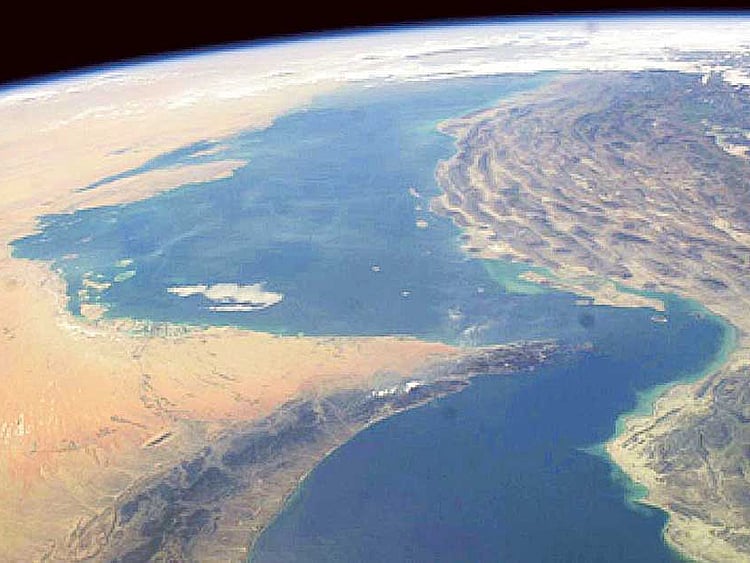
Oman has quietly circulated a proposal to the United States and other allied governments outlining a long-term framework for managing the strategically vital Strait of Hormuz, signaling that the waterway may not simply return to its pre-conflict status quo even as maritime traffic gradually stabilises.
The proposal, reported by CNN, comes amid ongoing diplomatic efforts to establish new security and navigation arrangements following months of regional conflict.
Muscat's plan explores mechanisms to improve navigational safety, environmental protection and maritime security, including possible service fees tied to those functions, though Oman has stressed it remains committed to international maritime law and freedom of navigation.
Citing diplomatic sources familiar with the talks, the network reported that the draft proposal — which remains under negotiation — would establish a system under which commercial shipping companies pay service fees for navigation and maritime safety in the Strait of Hormuz.
Another regional source familiar with the negotiations said Oman is not actively advocating for a fee-based navigation system and continues to emphasise freedom of passage through the strait.
A US official familiar with the talks said American negotiators intend to raise concerns directly with Omani counterparts, particularly over any mechanism that could be interpreted as charging vessels for transit.
The official added that Muscat has consistently reaffirmed its commitment that the proposal does not include mandatory tolls and is not intended to alter the strait's status as an international waterway.
The White House reinforced that position.
Omani officials have stressed the payments would not constitute tolls, although negotiators have yet to clearly define the practical distinction between the two.
Get updated faster and for FREE: Download the Gulf News app now - simply click here
The discussions have emerged as Gulf states, Iran and Western allies debate the future governance of one of the world's busiest energy chokepoints.
Risks remain
Commercial shipping through the strait has continued under closely monitored conditions, but maritime security officials warn the risks remain elevated.
The Joint Maritime Information Center (JMIC) has classified the security threat as "substantial", citing the continuing danger posed by sea mines, unexploded ordnance and ongoing mine-clearance operations that could affect vessel movements.
Mariners have been advised to remain vigilant and follow the latest navigational guidance as clearance efforts continue.
Strategic waterway
The Strait of Hormuz carries roughly one-fifth of global seaborne oil and a significant share of liquefied natural gas exports, making any disruption a major concern for global energy markets.
Although shipping has resumed in parts of the corridor, authorities say normal operations will depend on the successful removal of maritime hazards and agreement on a longer-term security framework.
The diplomatic push has also become more complicated after Iran declared it would not allow foreign countries to conduct mine-clearing operations in the strait, insisting that such activities remain under Tehran's authority despite calls from several Western governments for an internationally coordinated effort.
The proposal has not been finalised, and significant differences remain among the parties involved, a regional diplomat said.
The future governance of the strategic waterway is expected to feature prominently during high-level discussions in Doha this week.
"President Donald Trump has been clear that Iran cannot toll the strait, which is an international waterway," White House spokeswoman Anna Kelly told CNN.
Sign up for the Daily Briefing
Get the latest news and updates straight to your inbox
Network Links
GN StoreDownload our app
© Al Nisr Publishing LLC 2026. All rights reserved.