Saudi Arabia tightens childcare rules with tougher safety standards, penalties
New regulations introduce three-day licensing, stricter rules, protection measures
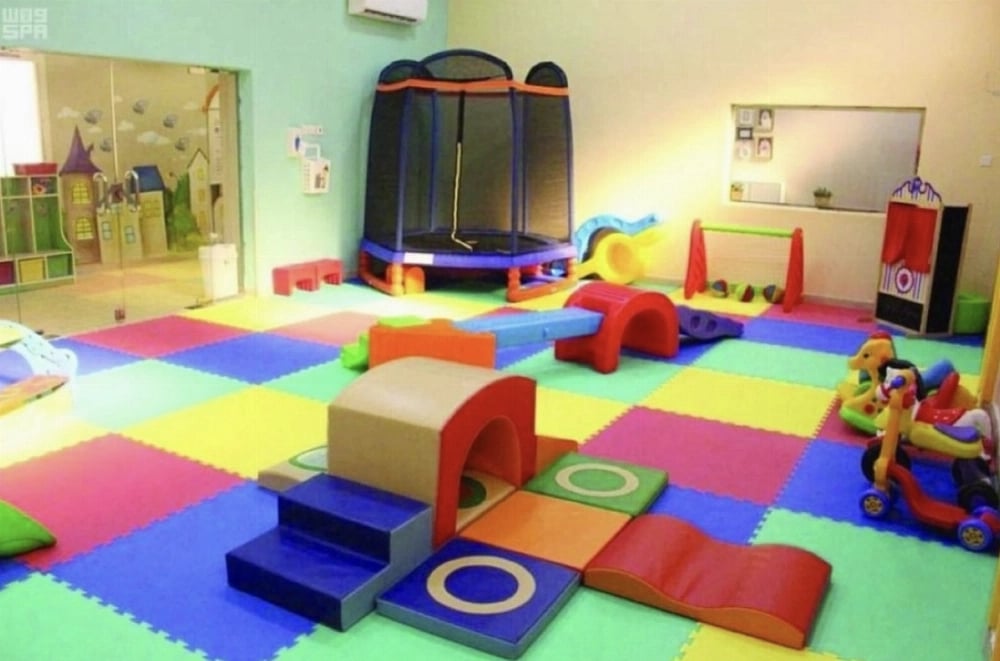
Dubai: Saudi Arabia has introduced stricter regulations for private childcare centres, tightening safety and staffing requirements, strengthening child protection measures and imposing penalties that could lead to the suspension or revocation of operating licences.
The Ministry of Human Resources and Social Development announced the amendments as part of efforts to improve the quality of childcare services, strengthen regulatory compliance and provide safer environments that support children's development.
Get updated faster and for FREE: Download the Gulf News app now - simply click here.
Under the revised regulations, operating licences must be issued within three working days once applicants have fulfilled all requirements, streamlining the approval process while maintaining stricter standards for facilities, equipment, capacity and safety.
The amendments also introduce updated child-to-caregiver ratios based on children's age groups, alongside specific qualification and experience requirements for employees.
Private childcare centres will be required to adopt comprehensive policies covering child protection, emergency response procedures, complaints handling, communication with parents, nutrition, staff development and payment and refund arrangements.
In a move aimed at strengthening transparency and parental involvement, centres must provide parents with daily reports on their children's activities and progress, as well as monthly assessments of the skills they have acquired.
The regulations also place greater emphasis on the inclusion of children with disabilities, requiring childcare providers to ensure their facilities are accessible and equipped with appropriate assistive devices.
Centres accommodating children with disabilities must also have qualified personnel capable of meeting their needs and providing appropriate care.
The amendments strengthen regulatory oversight by establishing procedures for identifying and addressing violations, including deadlines for childcare operators to implement corrective measures.
Penalties for non-compliance range from warnings and temporary suspension of operations to the revocation of licences, depending on the violations.
The ministry said the revised framework aims to raise standards across the private childcare sector by ensuring that providers meet operational, professional and safety requirements while strengthening accountability.
The changes are also intended to improve the overall childcare experience for families by promoting closer communication between centres and parents, supporting children's development and ensuring that childcare services operate within a clearly defined regulatory framework.
Network Links
GN StoreDownload our app
© Al Nisr Publishing LLC 2026. All rights reserved.