Philippines eyes faster, cheaper imports: 72 agencies set to join single trade platform
Single online gateway to streamline permits, slash costs for importers
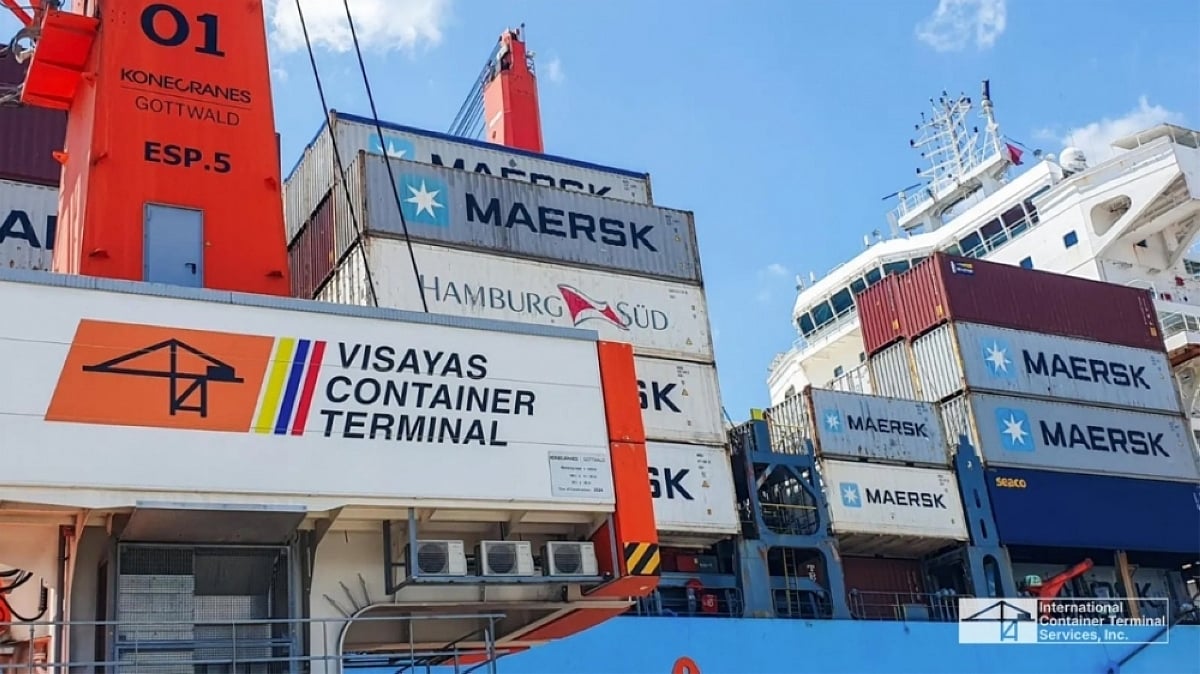
Manila: The Philippines is moving to place dozens of trade-related government agencies on a unified digital system in a bid to cut red tape, speed up customs processes, and strengthen the country’s competitiveness in global trade.
The platform is set to replace fragmented manual approval systems with a standardised digital workflow, and forms part of a broader effort to modernise trade infrastructure and improve the country’s ease of doing business ranking.
A total of 72 agencies are set to be integrated into the National Single Window–Integrated Trade Facilitation Platform (NSW-ITFP), the Department of Finance (DOF) said.
The platform serves as a centralised online gateway where businesses can submit and process permits, clearances, and other trade-related documents in one system instead of dealing with multiple offices.
Also In This Package
New rail, ports, power, digital links reshaping Luzon
How Filipinos can get documents apostilled fully online
Philippines launches new digital civil registry service
New rules allow e-filing, online hearings of OFW cases
Philippines: Sleeping giant in power generation awakens
3 mega govt properties up for sale in Manila
Officials say the overhaul is designed to address long-standing bottlenecks in Philippine trade procedures, which have often been cited by businesses as costly and time-consuming.
The system is being developed under a Build-Operate-Transfer public-private partnership with TradeX Network Inc., and is implemented by the Department of Information and Communications Technology (DICT), with the DOF overseeing policy direction on trade facilitation reforms.
Under Philippine law, Build-Operate-Transfer (BOT) is a public-private partnership (PPP) scheme where a private entity finances, constructs, operates, and maintains a public infrastructure facility for a fixed term (up to 50 years). The proponent recovers its costs by charging facility users, and transfers the facility back to the government afterward.
Implementation kicks off
Early implementation has already begun.
The Bureau of Internal Revenue (BIR) and the National Tobacco Administration (NTA) have completed testing for digital processing of import permits such as the Authority to Release Imported Goods (ATRIG) and Import Commodity Clearance (ICC).
Selected pilot users began live transactions on June 22, 2026.
Finance Secretary Frederick Go said the system is expected to lower costs for businesses by reducing paperwork and processing delays, while improving efficiency in cross-border trade.
“By digitising regulatory processes, we are making it easier to do business in the Philippines and strengthening our competitiveness in the global economy,” Go said.
Streamlining services
BIR Commissioner Charlito Mendoza said the shift supports broader government efforts under President Ferdinand Marcos Jr. to streamline services and accelerate digital transformation across agencies.
He said the electronic ATRIG system is among the bureau’s priority digital projects for 2026, especially for importers, manufacturers, and logistics firms that rely on faster clearance of goods.
Once fully implemented, officials expect the NSW-ITFP to replace fragmented, manual approval systems with a standardised digital workflow— part of a broader push to modernise trade infrastructure and improve the country’s ease-of-doing-business ranking.
Network Links
GN StoreDownload our app
© Al Nisr Publishing LLC 2026. All rights reserved.