New rules allow digital filing, online hearings of OFW cases
OFWs will no longer need to return to the Philippines to take part in proceedings
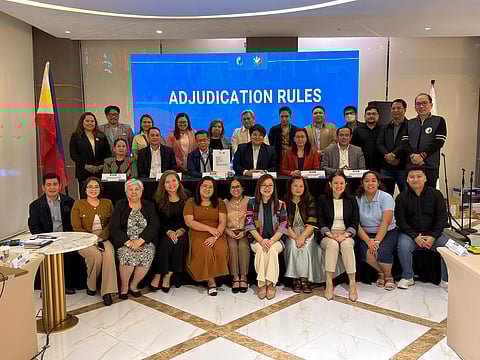
Dubai: Overseas Filipino workers (OFWs) will soon be able to file complaints online and attend hearings through video calls, under the new rules signed by the Philippines’ department of migrant workers (DMW).
In a recent development, the DMW has signed its 'Rules of procedure for the adjudication of cases' streamlining its digitalisation efforts to resolve disputes faster and make services easier to access. The changes are expected to benefit millions of OFWs, including those in the UAE and across the Gulf.
E-filing and online hearings
Under the new rules, complaints and legal documents can now be submitted electronically instead of going to an office in person. This reduces paperwork and helps speed up processing.
“From conciliation to appeal, the process is carefully structured to improve efficiency, accountability, and due process,” said DMW in a statement.
Hearings may also be conducted through videoconferencing. OFWs will no longer need to return to the Philippines to take part in proceedings, saving time and travel costs.
Faster decisions at the regional level
Another key change is the handling of cases at the DMW regional offices. Before, many cases were managed mainly at the central office in Mandaluyong city, Philippines.
Moreover, overseas employment adjudicators in regional offices can now conduct hearings, while regional directors are authorised to issue and sign decisions. This move is expected to reduce backlogs and bring services closer to workers’ families.
Stricter actions vs serious cases
The updated rules also strengthen the DMW’s power to issue preventive suspension orders, especially in serious cases such as:
Human trafficking
Illegal recruitment
Deployment of minors
Cases involving death or severe physical, psychological or sexual abuse
Additionally, clear grounds have been laid out for dismissing baseless complaints early to avoid unnecessary delays.
Meanwhile, gender-sensitive cases will now be handled by officers trained in gender and development, equality, and social inclusion. This ensures that women, persons with disabilities and other vulnerable groups receive proper attention and care.
Focus on speed and transparency
According to the DMW, the new policies aim to build a system that is faster, clearer, and more transparent, all while protecting the rights of OFWs.
“This important policy formalises a rights-based adjudicatory system centered on transparency, accessibility, and the swift resolution of cases—affirming the government's commitment to ensuring that justice for OFWs is prompt and effective,” said the agency.
For the large Filipino community in the UAE, as well as in the wider Gulf region, the changes means a more modern and accessible way to seek help when employment disputes arise.


