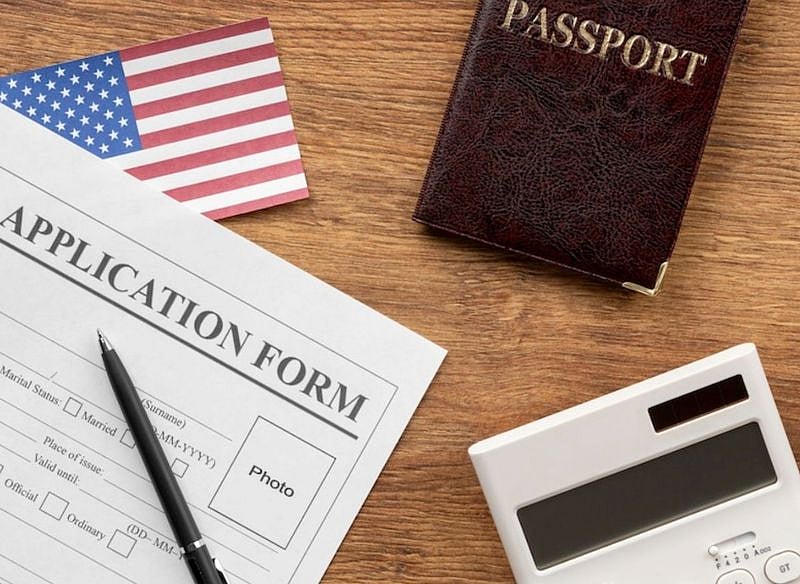
The US State Department dropped an immigration nuclear bomb: complete – and indefinite – visa processing freeze (or “pause”) for citizens from 75 countries including Russia, Iran, Afghanistan, Somalia, Brazil, Nigeria, Thailand, and others (see list below).
The pause kicks in on Wednesday (January 21, 2026).
Why the shutdown?
The move creates a financial "firewall" — ensuring immigrants come self-funded, not as welfare burdens.
Secretary Marco Rubio dropped the hammer: "No more public charge freeloaders", executing November's tightened "public charge" rules with this latest move.
The policy expands Trump-era "public charge" doctrine: immigrants must prove they won't drain taxpayer dollars on welfare, Medicaid, housing aid.
In making the move, America under Trump is saying "No more welfare tourists". In practice, State Department frontliners in embassies are now grilling age, health, bank balances, English skills, and medical costs.
Are there exceptions to the visa processing shutdown?
Yes. “Dual nationals applying with a valid passport of a country that is not listed above are exempt from this pause,” the department stated on its website.
Observers say such exceptions will be "ultra-rare": potentially covering only high-income academics and US national-interest unicorns, or tech companies.
What is the 'public charge' rule?
This measure, set to begin on January 21, 2026, is intended to allow reassessment of procedures related to the "public charge" rule — aimed at preventing entry of individuals likely to rely on public benefits/welfare — amid the Trump administration's broader immigration crackdown.
Potential Impact (post-Jan. 21):
US Universities: International tuition crash (i.e. Nigeria/Brazil student pipelines severed)
Silicon Valley: H1B drought — talent pivots to other countries
Tourism blackout: 75 countries = zero American dream vacations
Who fills America's talent void?
The "pause" could lead to a severe slowdown of US visa processing for applicants from dozens of countries.
This could create a growing talent gap in America’s workforce. As students, researchers, tech workers, and healthcare professionals face barriers, US employers are left scrambling to fill critical roles.
Meanwhile, other countries are stepping in: Canada, the UK, Australia, Germany, and Gulf states are fast-tracking visas, expanding post-study work rights, and actively recruiting displaced talent.
The result is a quiet-but-consequential shift: skills, innovation, and economic value that once flowed to the US may be increasingly being redirected elsewhere.
FULL LIST
Here's the full list of the 75 affected countries, as reported consistently across multiple reputable sources citing US officials and an internal State Department memo:
Afghanistan
Albania
Algeria
Antigua and Barbuda
Armenia
Azerbaijan
Bahamas
Bangladesh
Barbados
Belarus
Belize
Bhutan
Bosnia
Brazil
Burma (Myanmar)
Cambodia
Cameroon
Cape Verde
Colombia
Congo (Republic of the Congo)
Cuba
Dominica
Egypt
Eritrea
Ethiopia
Fiji
Gambia
Georgia
Ghana
Grenada
Guatemala
Guinea
Haiti
Iran
Iraq
Ivory Coast (Côte d’Ivoire)
Jamaica
Jordan
Kazakhstan
Kosovo
Kuwait
Kyrgyzstan
Laos
Lebanon
Liberia
Libya
Macedonia
Moldova
Mongolia
Montenegro
Morocco
Nepal
Nicaragua
Nigeria
Pakistan
Russia
Rwanda
Saint Kitts and Nevis
Saint Lucia
Saint Vincent and the Grenadines
Senegal
Sierra Leone
Somalia
South Sudan
Sudan
Syria
Tanzania
Thailand
Togo
Tunisia
Uganda
Uruguay
Uzbekistan
Yemen
(Note: Some reports use slight variations like "Congo" or "Burma" [Myanmar] but they refer to the same nations. The count is consistently reported as exactly 75. With inputs from AP, AFP, and US media)
Sign up for the Daily Briefing
Get the latest news and updates straight to your inbox
Network Links
GN StoreDownload our app
© Al Nisr Publishing LLC 2026. All rights reserved.