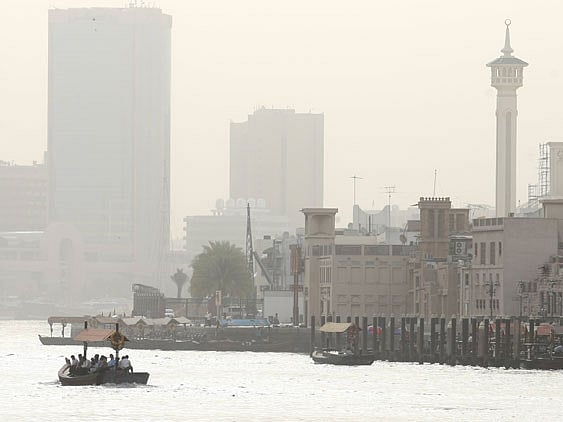
Dubai: A seasonal period long recognised by local communities as Dur Al Thamanin began yesterday, marking one of the most dynamic and traditionally significant phases of the winter calendar in the UAE.
Known in folk weather lore as “the Eighty”, Dur Al Thamanin runs from Feb 1 to 12 and is associated with some of the strongest cold northerly winds of the year.
During this period, the country is often affected by repeated passages of low-pressure systems from the west, increasing cloud cover and, at times, bringing rain.
The strength of the chill is reflected in a well-known local saying: “If the north wind strikes during the Eighty, it makes even a horse bleed,” a metaphor for the biting cold.
Meteorologically, the period is characterised by powerful north-westerly winds, locally known as “Shamal” winds, regarded as the strongest of the winter season.
These winds often peak around dawn and are typically preceded by a brief calm in sea conditions, before triggering the highest wave activity of the winter months.
February forecasts indicate that rainfall during the month is expected to be around or slightly above the long-term average, with the UAE’s mean February rainfall standing at 6.2mm. Average temperatures are also forecast to remain close to normal levels, at approximately 20.1°C nationwide, although fluctuations are expected as weather systems pass through.
Historical records highlight the variability of the month. The highest rainfall ever recorded in February reached 317mm in Al Huwailat in 1988, while the highest temperature for the month was 39.8°C, recorded at Al Jazirah Border Post in 2009. The lowest temperature was registered on Jebel Jais in 2017, plunging to –5.7°C.
Humidity levels tend to rise during February, with maximum relative humidity averaging 83 per cent, creating favourable conditions for fog formation. Light to dense fog is most likely in the early morning, particularly over inland and coastal areas.
The year 2021 saw the highest frequency of fog, with 18 days of dense fog and four days of light fog recorded.
Dust events are also a feature of the season. The highest recorded frequency of dust during February occurred at Sharjah International Airport in 1973, when dust was observed on eight occasions.
Winds during the month are predominantly north-westerly, occasionally shifting to south-easterly in the mornings. While generally light to moderate, they can become active at times, stirring dust and reducing visibility. The strongest wind speed on record reached 141 km/h at Jebel Mabrah in 2010.
Despite the winter chill, solar radiation remains notable. The highest daily total solar radiation for February was recorded in Tibi in 2019, while Dubai recorded a daily total of 322 watts per square metre in 2017.
Network Links
GN StoreDownload our app
© Al Nisr Publishing LLC 2026. All rights reserved.