Titled “Reading Month… and the Role of the Family in Fostering Awareness and Intellectual Exchange,” the session featured Fatima Al Mazrouei, Head of the Historical Archives Department, along with media personality Dr. Musa Al Zubaidi and writer Mai Abdel Hadi.
UAE seminar highlights reading as a family and cultural pillar
The National Archives and Library promotes family reading during Reading Month
Last updated:
3 MIN READ
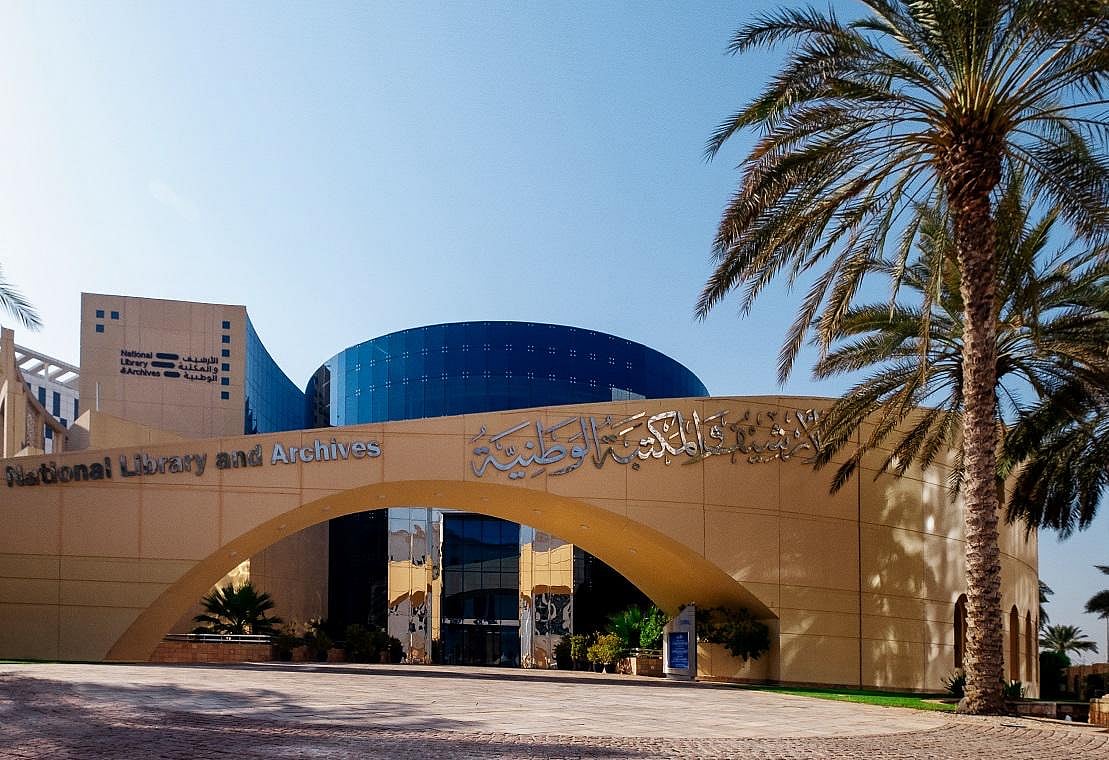
Seminar explores role of reading in child development and society
The National Archives and Library organised a virtual seminar highlighting the importance of reading and its role in strengthening awareness and intellectual exchange within families, as part of its 2026 cultural season and in line with Reading Month and the Year of the Family.
The seminar, titled “Reading Month… and the Role of the Family in Fostering Awareness and Intellectual Exchange,” focused on the UAE’s efforts to promote reading as a key pillar of human development and cultural identity. It also reviewed national initiatives aimed at encouraging communities to adopt reading as a daily habit.
The session was presented by writer Fatima Al Mazrouei, Head of the Historical Archives Department at the National Archives and Library, with participation from media personality Dr. Musa Al Zubaidi and writer Mai Abdel Hadi.
Opening the seminar, Al Mazrouei said Reading Month has become an important milestone in the country’s cultural journey. She noted that the UAE has succeeded in turning reading into a national project that involves all segments of society, with families playing a leading role in shaping children’s awareness and building their relationship with books and knowledge.
She added that the fast pace of change and the flow of information place greater responsibility on families to guide children towards meaningful reading, support critical thinking and help them balance cultural values with openness to new ideas.
For his part, Dr. Al Zubaidi highlighted that reading has always been central to human learning. He explained that in today’s digital era, readers need to define their goals clearly and select suitable sources of information. He also stressed the importance of analysing and comparing ideas rather than accepting them without reflection, noting that this approach helps improve the quality of knowledge.
He further spoke about the relationship between the writer and the reader, saying that understanding the background and context of an author can help readers better interpret ideas and content.
Meanwhile, writer Mai Abdel Hadi discussed the impact of reading on children’s development. She referred to studies showing that early reading can positively influence brain development, strengthen language skills and improve memory and academic performance. She also cautioned against excessive screen time, which can affect concentration and mental abilities.
She said families play a key role in encouraging children to read by creating a supportive environment, reading aloud together and engaging in discussions that help develop critical thinking.
The seminar also addressed challenges that may discourage reading, including lack of time or difficulty choosing suitable books. Speakers suggested practical steps such as setting regular reading plans, introducing books gradually and exploring different reading formats.
Participants noted that encouraging reading within families can help strengthen communication and understanding between generations while supporting the development of a more aware and knowledgeable society.
The session also reviewed national initiatives that promote reading, including the Reading Law, the Arab Reading Challenge and various cultural festivals and book fairs. Speakers concluded by stressing the importance of making reading a daily habit at home and using Reading Month as an opportunity to launch family-focused initiatives that bring communities closer to books and knowledge.
Network Links
GN StoreAbout Gulf NewsTerms & ConditionsReach by GNSitemapContact usPrivacy PolicyGN FocusHave your sayWork with usAdvertise with usGulf News epaperPrinting Services
Download our app
© Al Nisr Publishing LLC 2026. All rights reserved.