UAE traffic rules: Why slowing down to watch an accident can cost you Dh1,000
Why a common driving behaviour can put other road users and emergency responders at risk
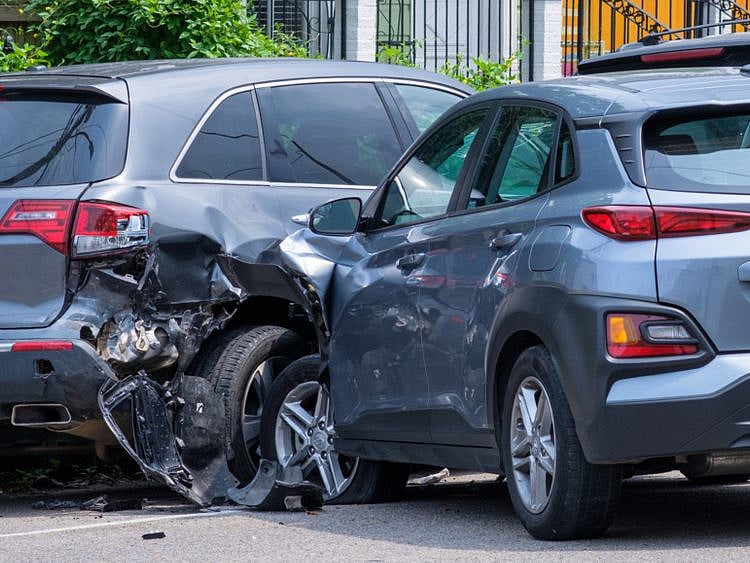
Dubai: You are driving along a busy UAE road when you notice an accident on the opposite side. Traffic begins to slow, not because the road is blocked, but because motorists are trying to get a better look at what happened.
It may seem like a harmless moment of curiosity, but slowing down or stopping to watch an accident can put other motorists at risk – and could result in a Dh1,000 fine and black points on your driving record.
The dangerous driving habit, known as ‘rubbernecking’, has prompted warnings from police authorities across the UAE.
Get updated faster and for FREE: Download the Gulf News app now - simply click here.
What is rubbernecking?
Rubbernecking happens when motorists slow down, stop or become distracted while trying to look at an accident or another incident on the road.
Even when a crash occurs on the opposite side of a highway, curious drivers may reduce their speed to observe the scene, causing traffic to build up unnecessarily.
Dubai Police have warned that this behaviour not only disrupts traffic but can also trigger secondary collisions, particularly when drivers brake suddenly or fail to maintain a safe distance from the vehicle ahead.
Dh1,000 fine and black points
Motorists who stop or slow down to observe accident scenes can face a Dh1,000 fine and black points under federal traffic regulations.
Police have repeatedly urged drivers to avoid gathering around accident sites, stressing that such behaviour can worsen an already dangerous situation.
How curiosity can put lives at risk
The consequences go beyond traffic congestion.
Abu Dhabi Police and Abu Dhabi Civil Defence have warned that crowds gathering around accidents and fire scenes can obstruct ambulances, rescue teams and emergency vehicles from reaching victims.
In some cases, bystanders stop their vehicles near crash sites or attempt to cross busy roads to film incidents, exposing themselves to moving traffic and the risk of serious injury or death.
Authorities have stressed that delays in emergency response can have life-threatening consequences for those requiring urgent medical assistance.
What should drivers do when passing an accident?
Police have urged motorists to follow basic road safety precautions when approaching or passing an accident scene:
Keep your eyes on the road: Avoid turning your attention towards an accident or attempting to film the scene.
Maintain a safe distance: Leave sufficient space between your vehicle and the one ahead to react to sudden changes in traffic.
Avoid unnecessary braking: Do not slow down merely to observe an accident, but adjust your speed when required for safety.
Follow traffic rules: Observe speed limits, signal before changing lanes and comply with police instructions.
Clear the way for emergency vehicles: Give ambulances, police and Civil Defence vehicles sufficient space to reach the scene.
Do not gather around accident sites: Avoid stopping, parking or crossing busy roads to watch what happened.
Network Links
GN StoreDownload our app
© Al Nisr Publishing LLC 2026. All rights reserved.