naps really are important
UAE: Is the cool winter weather making you ill?
Experts on the link between the immune system and the daily temperature
Last updated:
3 MIN READ
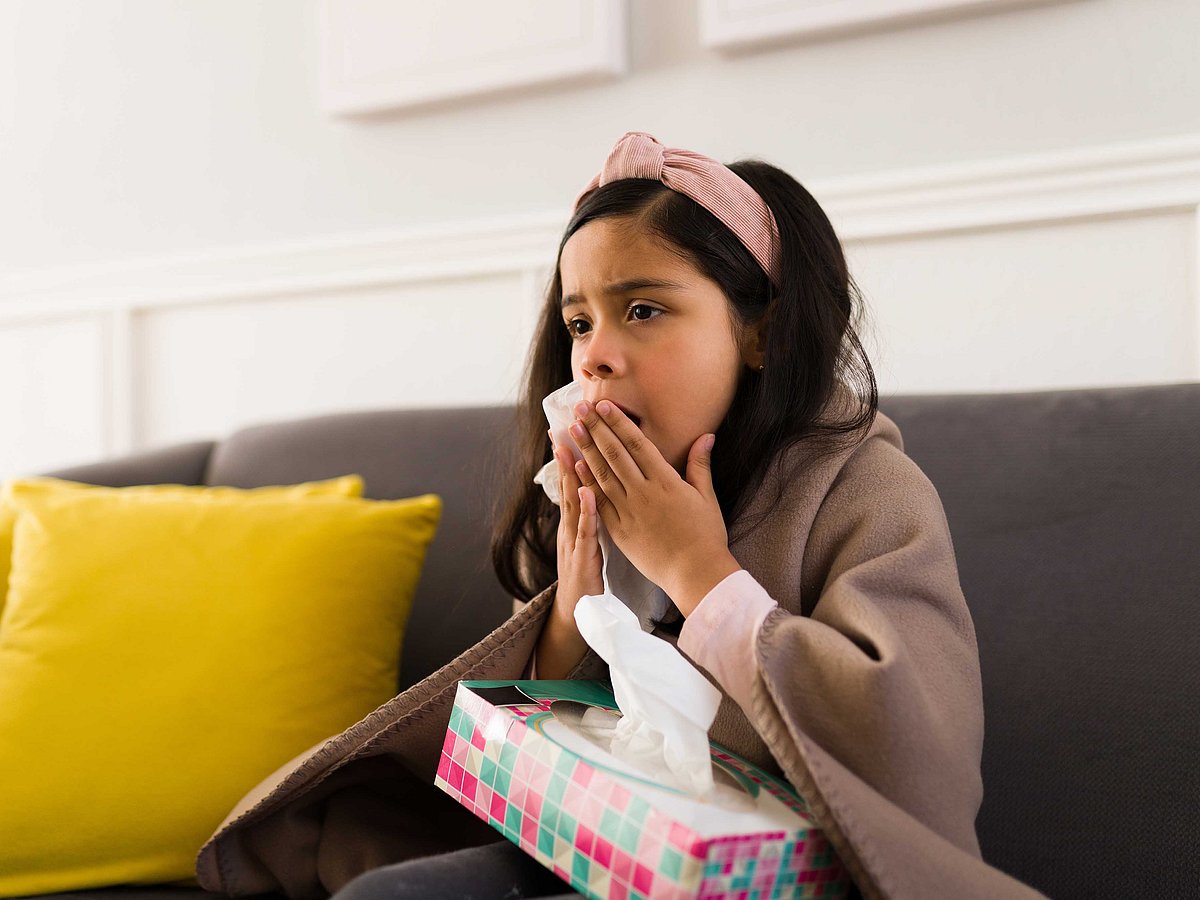
Shutterstock
The weather might be bracing – cue the cute scarves, boots and hot chocolate – and make for fabulous photos, but it also brings with it a real worry: the sniffles.
As anyone who has suffered from a cold – so, that’s all of us then – can attest to, it’s the most annoying thing to go about your day feeling like you have a clogged brain, half a headache, and ill-timed sneezes. Now, if you have kids, that’s double the fear. As the gentle breezes get nippier and we head into the weekend, which is bound to be about experiencing the great outdoors in all its glory, we wonder if it’s the cold that causes the cold… does it weaken our immune systems? And what can we do to ensure the feel-good factor without a fallout.
Dr Shafeeq, Internal Medicine at Medcare Royal Speciality Hospital, explains that it’s not the weather that’s causing the chills. “Cold weather does not directly suppress the immune system, but it can create conditions that increase susceptibility to infections,” he explains. “Exposure to cold, dry air may affect the protective lining of the nose and respiratory tract, making it easier for viruses to enter the body.”
What happens when its cold?
“There are several ways in which the cooler weather can impact health. Indoor crowding increases exposure to germs as people spend more time in enclosed spaces. Less sunlight means lower vitamin D production, which plays a vital role in immune health. And poor sleep, high stress, and dietary imbalances — often more common in winter — further lower the body’s natural defenses,” adds Dr Anoop James George Emergency medicine Specialist Prime Hospital.
Of course, if you haven’t been taking care of yourself properly – if you are low on Vit C, Vit D, etc. – this is the time the vulnerability might show up.
“It is important to emphasise that the immune system remains highly capable when supported appropriately,” says Dr Shafeeq.
What does this support entail exactly?
He explains that it includes:
* Adequate sleep. Which, according to US-based National Sleep Foundation, defers depending on age and body. On average, however it suggests:
Newborns (0-3 months): Between 14 and 17 hours of sleep.
Older infants (4-11 months): 12 to 15 hours.
Toddlers (1-2 years): 11-14 hours.
Preschoolers (3-5 years): 10-13 hours
School-age kids (6-13 years):9-11.
Teenagers: 8 to 10 hours of nightly sleep.
Adults: 7-9 hours
Over 65: 7-8 hours.
* Balanced nutrition
* Good hydration
* Regular physical activity
* Good hand hygiene
* Recommended vaccinations.
What food can do for you
Food can be a good booster for the immune system, says Dr James George.
He urges people to include plenty of fruits and vegetables rich in vitamins A, C, and E, as well as zinc and antioxidants in their meal plans.
Good options include:
Citrus fruits, garlic, ginger, and turmeric
Leafy greens, bell peppers, nuts, and seeds
Yogurt for healthy gut bacteria (probiotics)
Network Links
GN StoreAbout Gulf NewsTerms & ConditionsReach by GNSitemapContact usPrivacy PolicyGN FocusHave your sayWork with usAdvertise with usGulf News epaperPrinting Services
Download our app
© Al Nisr Publishing LLC 2026. All rights reserved.