Buying, renting or investing? What 2026 looks like for Dubai homes
Dubai’s property market heads into 2026 with calmer, more selective buying
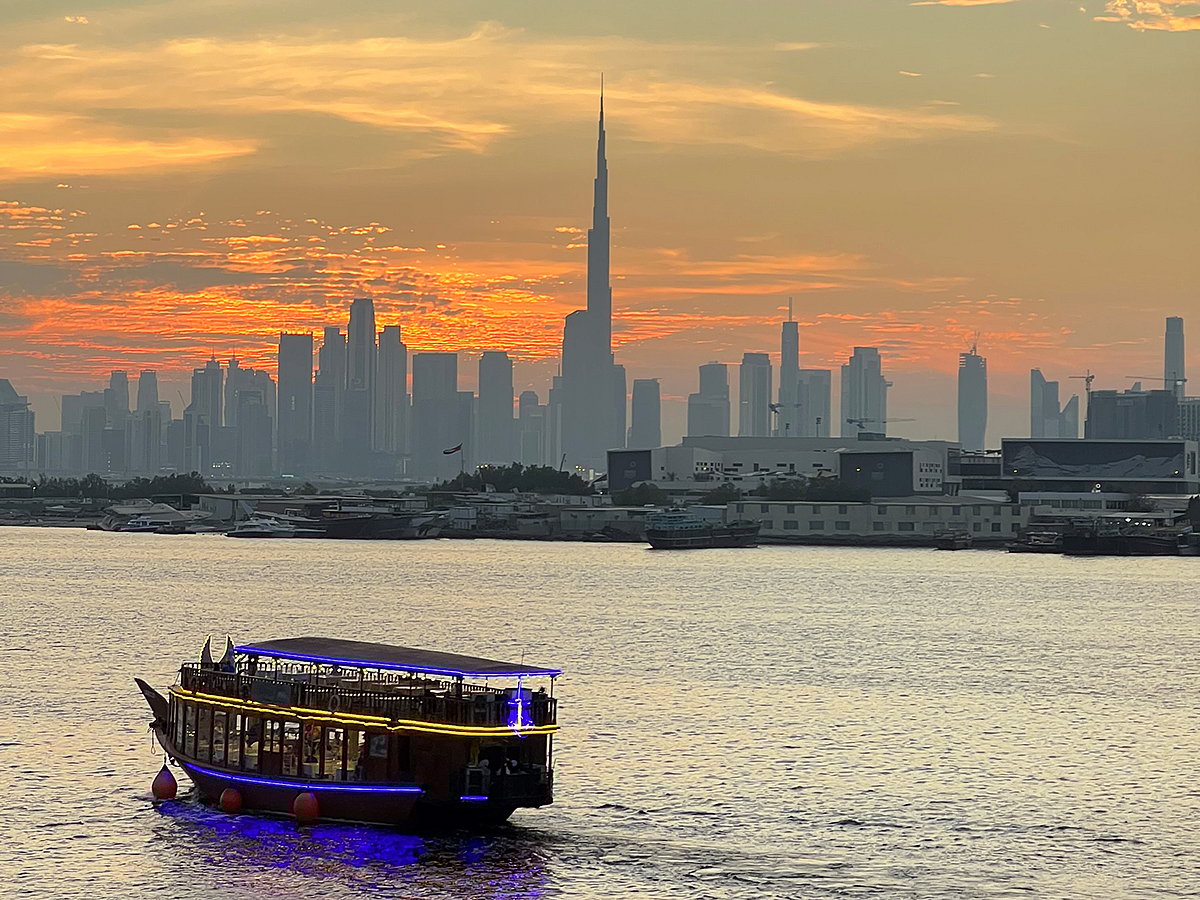
Dubai: Dubai is ending 2025 with record numbers on the board and a noticeably different mood among buyers. After a year of momentum-led decisions, the property market is heading into 2026 with a sharper focus on long-term usability.
Sales volumes surged through 2025, driven by global capital inflows, rising end-user demand and a steady expansion of the wider economy. But beneath the headline figures, behaviour has begun to shift. Buyers are asking more questions, scrutinising developers more closely and paying greater attention to connectivity, infrastructure and resale logic than to branding alone.
That transition is shaping expectations for the year ahead.
Between January and November 2025, Dubai recorded more than 197,000 property transactions worth Dh624.1 billion, already eclipsing previous annual records before the year closed. Much of that activity was fuelled by momentum, particularly in the off-plan segment, where payment plans and rapid price appreciation played a decisive role. At the same time, demand from families choosing to buy rather than rent added a layer of stability to established communities with schools, transport links and services.
From speed to selectivity
As 2026 approaches, that pace is expected to moderate. Not because demand is weakening, but because buyers are becoming more selective.
Developers with a proven delivery record are likely to find demand holding up well, while projects lacking clear fundamentals may struggle to attract the same level of interest. Pricing, construction quality, realistic payment plans and long-term liveability are expected to carry more weight in decision-making than they did during the peak of the rally.
“In 2025, momentum drove decisions, but 2026 will be the year when buyers and investors operate with far more logic and discipline,” said Firas Al Msaddi, chief executive of fäm Properties. He noted that buyers are increasingly weighing the full equation rather than reacting to branding or short-term price moves.
That shift is also reshaping how developers position projects, with greater emphasis on delivery timelines, community planning and end-user appeal rather than launch-driven hype.
Luxury remains the market’s anchor
Prime villas, branded residences and waterfront homes remain structurally undersupplied, particularly in established ultra-prime districts. Areas such as Palm Jumeirah, Jumeirah Bay Island, Emirates Hills, Al Wasl, Dubai Hills Estate and Mohammed Bin Rashid City have continued to show strong resale activity and limited tolerance for discounts, even as the wider market becomes more price-sensitive.
Ultra-high-net-worth buyers remain active, drawn by Dubai’s lifestyle offering, political stability and long-term residency options. That demand has helped push the luxury segment beyond its post-pandemic boom phase into what many analysts now view as a more mature global asset class.
Infrastructure becomes a pricing factor
Connectivity is emerging as one of the most consistent drivers of value going into 2026.
Communities linked to major infrastructure projects are expected to outperform, particularly those connected to the upcoming Dubai Metro Blue Line. Areas such as Dubai Creek Harbour, Festival City and parts of Dubai Silicon Oasis and International City are already seeing renewed interest as buyers factor commute times, walkability and access to employment hubs more directly into pricing decisions.
Beyond the Metro, long-term infrastructure such as Etihad Rail is also reshaping investor thinking. Corridors linked to logistics and inter-emirate connectivity, including Dubai South and surrounding industrial zones, are increasingly viewed as strategic, long-horizon plays rather than speculative bets.
Rental market enters a more balanced phase
After several years of sharp increases, vacancy rates are expected to rise modestly, introducing more seasonality into pricing. Colife forecasts Dubai’s average annual vacancy rate at around 12% in 2026, with significant variation across the year. Summer months, particularly July and September, are expected to see higher vacancy levels as business activity slows and temperatures peak, while October and November are likely to remain the tightest periods for supply.
For landlords, that means performance will depend less on headline rents and more on the ability to manage low-season pressure.
“Our forecasts show average rents in the low season may decline by up to 5%, while high-season pricing is likely to remain broadly in line with recent years,” said Ilnara Muzafyarova, chief executive of Colife. She added that well-positioned assets, particularly in the luxury segment, tend to experience milder corrections than mid-market units.
A parallel shift is taking place in tenant behaviour. More residents are committing to long-term leases or mortgages, particularly in non-touristic districts such as JVC, Al Furjan and JLT, where annual contracts have delivered more predictable returns than mid-term rentals.
Short-term rentals face a tougher environment. Supply has expanded rapidly, with active listings nearly tripling over the past three years, putting pressure on daily rates and raising the bar on quality and management standards.
Dubai’s population is now approaching 4 million, and affordability has become an increasingly important part of the growth equation. Moderating rental pressure, particularly outside prime locations, is helping rebalance the market and support long-term residency, talent retention and workforce mobility.
Looking ahead, the wave of new supply expected through 2026 is more likely to introduce competition than trigger sharp declines. Older or poorly maintained buildings may face pricing pressure, while well-located, well-managed assets should remain resilient.
“The winners in 2026 will not be defined by hype,” Al Msaddi said. “They will be defined by data, fundamentals, infrastructure and brand credibility.”

Sign up for the Daily Briefing
Get the latest news and updates straight to your inbox
Network Links
GN StoreDownload our app
© Al Nisr Publishing LLC 2026. All rights reserved.