European aviation safety body urges airlines to avoid Middle East airspace until April 24
EASA extends advisory as conflict risks rise across multiple Gulf airspaces
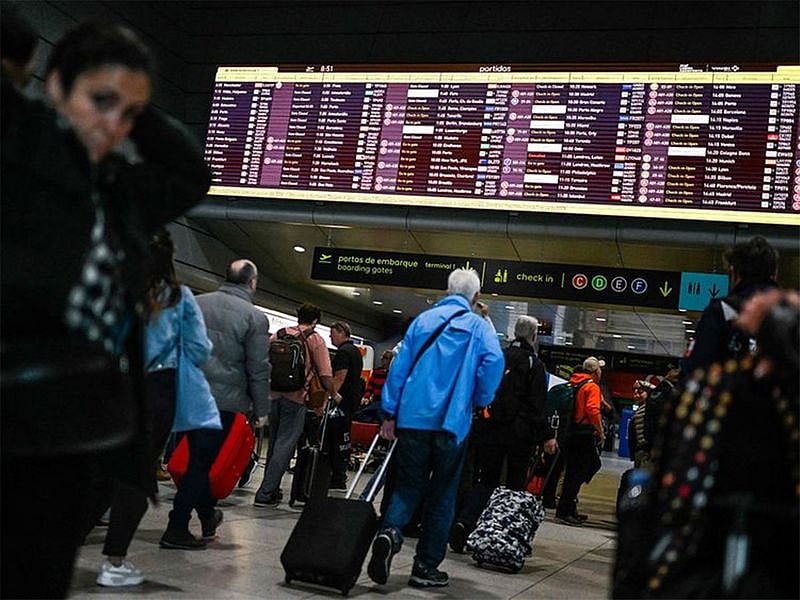
Dubai: Europe’s aviation safety watchdog has extended its warning to airlines to avoid large parts of the Middle East airspace until April 24, amid the ongoing regional crisis.
The European Union Aviation Safety Agency (EASA) has extended its Conflict Zone Information Bulletin (CZIB), keeping restrictions until April 24. The latest update does not change the guidance but extends its validity amid ongoing instability.
EASA is the European body responsible for ensuring aviation safety and issuing advisories to airlines operating to and from, and within the EU.
The advisory covers airspace across a wide stretch of the region, including Bahrain, Iran, Iraq, Israel, Jordan, Kuwait, Lebanon, Oman, Qatar, the UAE and Saudi Arabia.
Airlines are advised not to operate in these areas at any altitude due to the risk of military activity spilling into civilian airspace, said EASA.
Get updated faster and for FREE: Download the Gulf News app now - simply click here.
Conflict impact
The warning follows military strikes carried out by the United States and Israel inside Iran on February 28, and subsequent retaliatory actions by Iran, including its belligerent attack on the UAE and other GCC nations.
EASA says the situation has created a volatile environment, with risks including misidentification of aircraft, interception errors, and the presence of advanced air defence systems and missiles capable of operating at all altitudes.
Airline responses
Major European carriers are already taking action.
Lufthansa Group has suspended flights across much of the Middle East, with timelines stretching as far as October for some destinations, including Abu Dhabi, Riyadh and Tehran. Services to Dubai and Tel Aviv are suspended until the end of May.
Air France has halted flights to Dubai, Riyadh, Tel Aviv and Beirut until early May, citing security concerns and airspace closures.
British Airways has also cancelled or paused several regional routes and is offering passengers flexible rebooking and refund options through October.
Passengers are being advised to check flight status before travelling, as schedules remain highly fluid. Airlines say safety remains the top priority, and operations will only resume once conditions stabilise.
Network Links
GN StoreDownload our app
© Al Nisr Publishing LLC 2026. All rights reserved.