Trump’s South Pars remarks: Are US and Israel in sync on Iran war strategy?
Conflicting signals from Trump fuel questions over US-Israel coordination
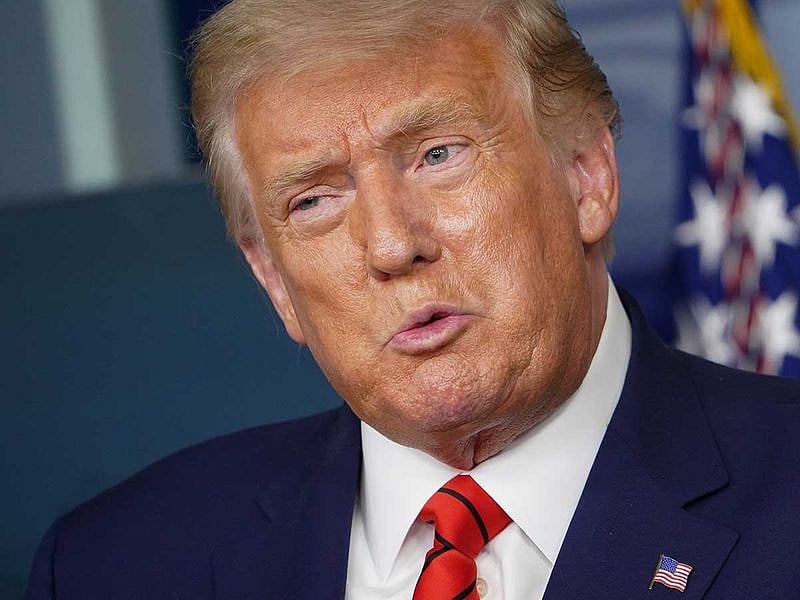
DUBAI: US President Donald Trump’s response to the latest escalation in the Iran war has raised fresh questions about coordination and messaging between Washington and Israel, even as both allies insist they remain aligned in their broader objectives.
In a strongly worded post on his Truth Social platform, Trump said the United States “knew nothing about this particular attack” — referring to Israel’s strike on Iran’s South Pars gas field, part of the world’s largest natural gas reserve.
The claim appeared to contradict reports in Israeli media suggesting the operation had been coordinated in advance with Washington, adding to uncertainty over the extent of US involvement.
Trump’s choice of language also drew attention. He described Israel as having “violently lashed out” at the gas field — phrasing more commonly used for adversaries than close allies.
Analysts say such wording may signal unease within the US administration over the targeting of critical energy infrastructure, which has widened the conflict and triggered retaliatory strikes across the Gulf, according to BBC.
3 key takeaways
Conflicting narratives: Trump said the US “knew nothing” about the strike, while Israeli reports suggest prior coordination.
Messaging mismatch: His language on Israel and the attack signals unease even as both sides publicly stress alignment.
Strategy vs tactics: The US appears focused on containing escalation, while Israel is more openly targeting Iran’s regime and economic lifelines.
The president also declared that “NO MORE ATTACKS WILL BE MADE BY ISRAEL” on the South Pars field unless Iran escalates further — a statement that raised questions about whether Washington is attempting to restrain Israeli actions or simply reinforcing an understanding already in place.
Despite the rhetoric, officials on both sides have sought to emphasise unity.
“We are very much aligned on most or all of our goals regarding the Islamic regime in Iran,” said Alex Gandler, a spokesman for the Israeli embassy in London. “We want the same thing.”
However, differences in emphasis are becoming more visible.
While the United States has focused on degrading Iran’s missile and drone capabilities and containing escalation, Israeli officials have been more explicit about seeking to weaken — and potentially destabilise — Iran’s ruling system.
Some Israeli analysts have framed the South Pars strike as part of a broader effort to increase internal pressure on Tehran by targeting economic lifelines.
Trump, meanwhile, struck a mixed tone — suggesting Iran may not have fully understood the circumstances before retaliating against Qatar, while also warning that the US could “massively blow up” the entire gas field if attacks on Gulf energy infrastructure continue.
The reference to acting “with or without the help or consent of Israel” added another layer of ambiguity, hinting at possible friction over decision-making even as military cooperation continues.
For now, there is no clear evidence of a strategic split between the allies. Both remain committed to countering Iran’s military capabilities and limiting its regional influence.
But as the war expands into energy infrastructure and global markets, Trump’s remarks underscore a more complicated reality: A close alliance navigating differing priorities, political pressures and an increasingly unpredictable conflict.

Sign up for the Daily Briefing
Get the latest news and updates straight to your inbox
Network Links
GN StoreDownload our app
© Al Nisr Publishing LLC 2026. All rights reserved.