Iran protests and US personnel pullback amid rising tensions: What we know so far
From economic protests to Iranian threats and US caution, tensions are rising fast
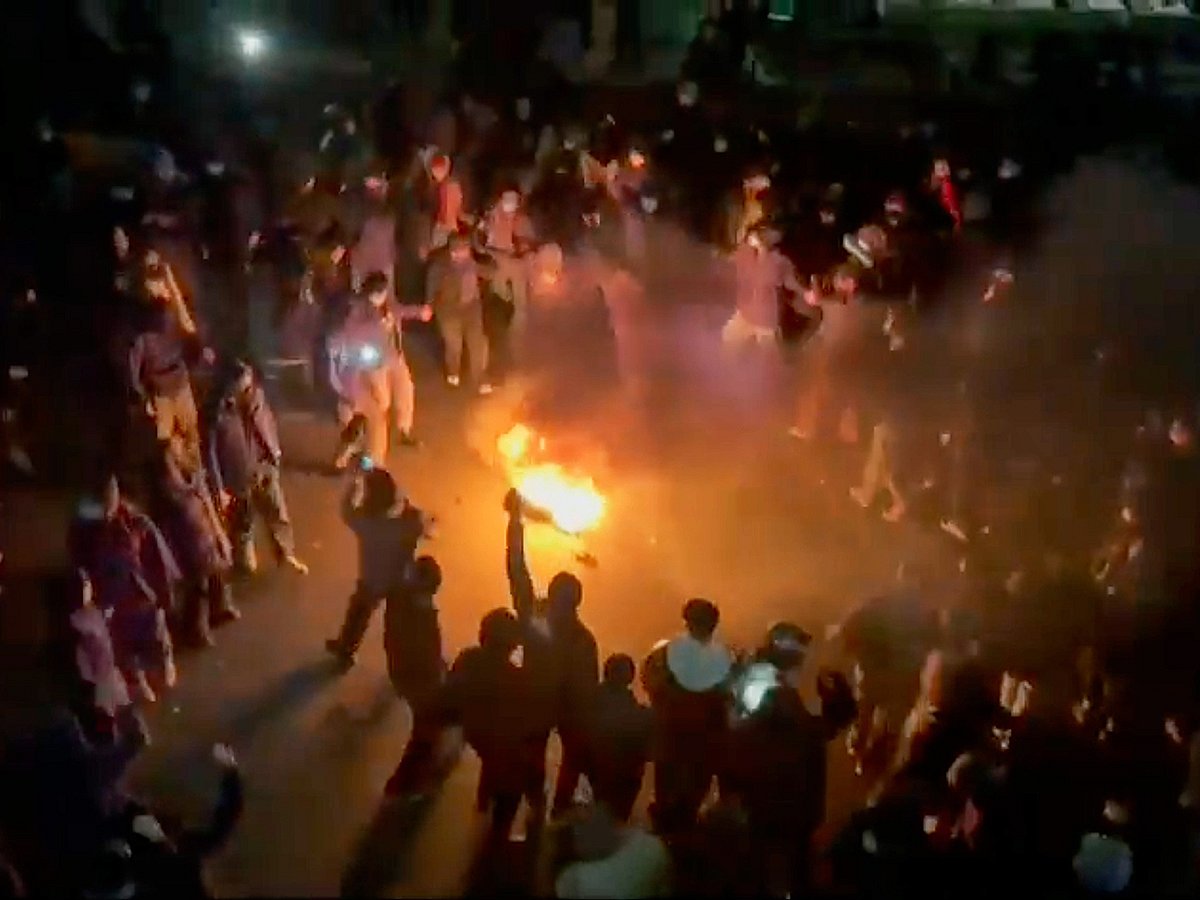
Dubai: Iran’s protests, which began as demonstrations over worsening economic conditions, have intensified into one of the most serious challenges to clerical rule in decades, drawing a deadly response from security forces and pushing the country toward a broader confrontation with the outside world.
Rights groups say more than 2,400 protesters have been killed as unrest spread nationwide, with demonstrators increasingly demanding the overthrow of the regime.
As the crackdown deepened, Iranian authorities accused the United States and Israel of fomenting the unrest, framing the protests as a foreign-backed campaign rather than domestic dissent.
That narrative has hardened Tehran’s posture and sharpened its warnings to Washington, even as US President Donald Trump publicly urged Iranians to keep protesting and threatened “very strong action” if demonstrators are executed.
Against this backdrop, the United States has begun withdrawing or advising the departure of some personnel from key Middle East bases, a US official told Reuters, describing the move as a precautionary posture change. Iran has warned neighbouring countries hosting US forces that their bases would be targeted if Washington intervenes militarily.
Some US personnel have been advised to leave Al Udeid Air Base in Qatar, the region’s largest US military installation. Qatar said the move reflects “current regional tensions” and stressed steps to protect critical infrastructure.
With protests escalating, diplomacy frozen and military postures shifting, officials warn the risk of miscalculation is rising. Here is what we know so far.
What exactly has the US done?
The United States has begun withdrawing or advising the departure of some personnel from key Middle East bases as a precautionary posture change, not a full evacuation.
Which base is at the centre of attention?
Al Udeid Air Base in Qatar, the largest US base in the Middle East and the forward headquarters of US Central Command, where around 10,000 troops are stationed.
Is this a full military pullback?
No. Diplomats stress this is not an ordered evacuation or large-scale troop withdrawal, unlike moves seen ahead of previous US–Iran clashes.
Why is this happening now?
Tensions have surged as Iran faces nationwide protests and as US President Donald Trump has openly threatened action against Tehran.
What has Iran warned?
A senior Iranian official said Tehran has warned neighbouring countries hosting US forces that their bases would be targeted if the US attacks Iran.
What is Iran asking regional states to do?
Iran has urged countries in the region to prevent Washington from launching strikes, signalling a bid to deter US intervention.
What is Qatar’s position?
Qatar said the removal of some personnel from Al Udeid reflects “current regional tensions” and that it is taking all necessary steps to protect citizens, residents, and critical infrastructure.
Has Iran issued similar threats before?
Yes. After US strikes on Iran last year, Tehran launched missile attacks on Al Udeid, highlighting the base’s vulnerability during direct confrontations.
What role is Trump playing?
Trump has warned of “very strong action” if Iran executes protesters and has urged Iranians to keep protesting, saying “help is on the way.”
What is Israel saying?
Israel says it is on high alert but is not intervening in Iran’s internal unrest. The Israel Defense Forces (IDF) said it remains prepared for possible “surprise scenarios” amid Iranian threats to retaliate against Israel and US bases if Iran comes under American attack.
IDF spokesperson Brig. Gen. Effie Defrin urged the public not to “lend a hand to rumors” surrounding the situation, stressing that the protests in Iran are an internal matter.
He said the IDF is prepared defensively, continues to hold regular situational assessments, and will issue updates if there are any changes.
How severe is the unrest inside Iran?
Rights group HRANA says more than 2,400 protesters have been killed. Iran disputes the figures and accuses the US and Israel of stirring unrest.
Are diplomatic channels open?
No. Iran says direct contacts have been suspended between its foreign minister and the US special envoy, signalling a deepening freeze.
How are other countries reacting?
India has advised its nationals in Iran to leave using available routes, citing safety concerns amid escalating unrest.
What’s the biggest risk now?
Diplomats warn of miscalculation, as military posturing, threats and limited withdrawals raise tensions without clear de-escalation pathways.

Sign up for the Daily Briefing
Get the latest news and updates straight to your inbox
Network Links
GN StoreDownload our app
© Al Nisr Publishing LLC 2026. All rights reserved.