Iran presents new proposal to end war, reopen Hormuz — report
Proposal flips switch, shifts focus on immediate de-escalation rather than nuclear talks
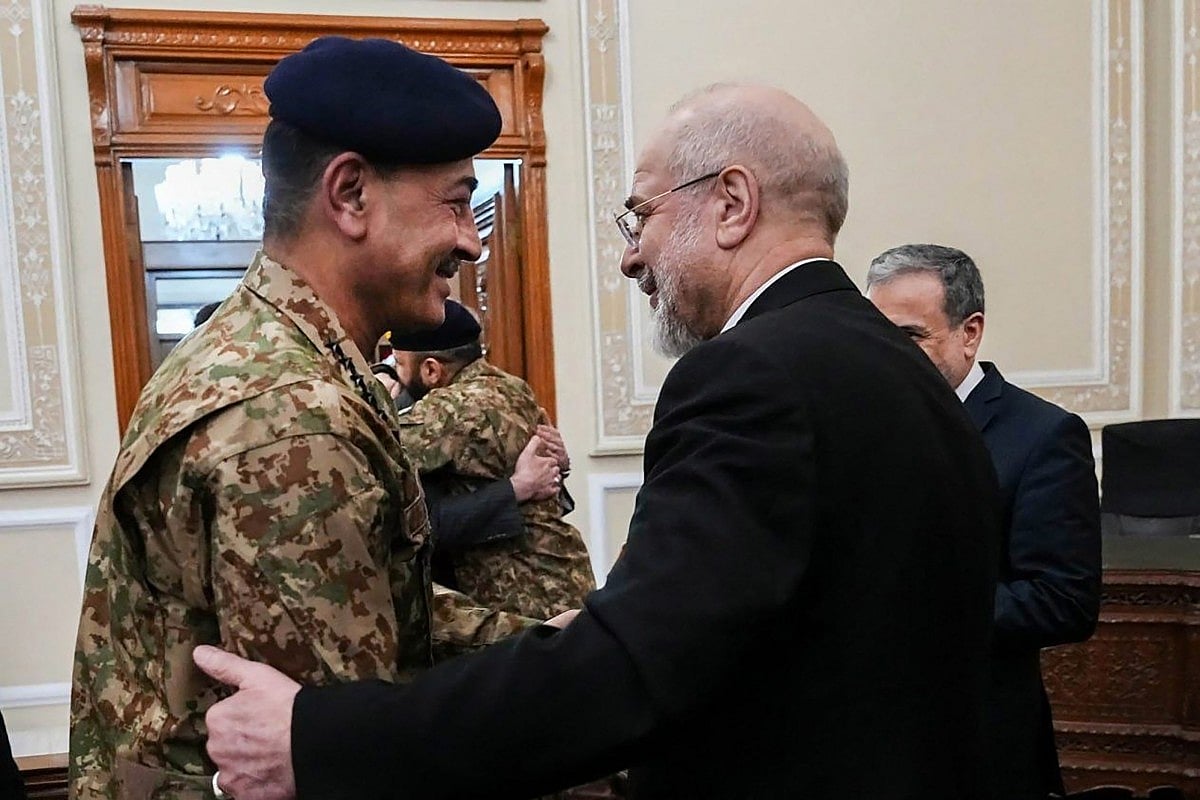
Iran has reportedly delivered a fresh diplomatic proposal to the United States through Pakistan aimed at ending the war and reopening the strategic Strait of Hormuz, Axios reported.
The latest proposal calls for talks on Iran's nuclear program to be postponed to a later stage, according to media reports.
Get updated faster and for FREE: Download the Gulf News app now - simply click here.
The proposal, communicated via Pakistani intermediaries to the US, outlined in reporting by Axios and cited by US and regional sources, seeks to break a negotiation deadlock that has stalled peace efforts and unsettled global energy markets.
It marks a shift in Tehran’s approach by prioritizing a ceasefire and renewed access to the vital shipping lane before addressing nuclear issues — a contrast to long-standing Western demands that nuclear negotiations come first.
Key elements of the plan include:
Mediation by Pakistan: Islamabad has acted as the primary intermediary conveying communications between Tehran and Washington.
Focus on de-escalation and maritime access: The proposal centres on reopening the Strait of Hormuz, which Iran has effectively closed, and securing an end to hostilities as urgent first steps.
Deferred nuclear talks: Nuclear negotiations would be held only after preliminary agreements on a ceasefire and maritime arrangements are reached — a sequencing that could reshape the diplomatic agenda.
The report comes amid prolonged diplomatic pressure, failed rounds of peace talks in Islamabad and repeated warnings that continued disruption of the strait could have severe economic consequences.
In Washington, President Donald Trump has claimed the conflict between Iran and the US may be hitting a turning point as the pressure piles up.
Since April 13, the US has also imposed a naval blockade, preventing ships from entering or exiting Iran.
What the US wants
US officials, led by Trump, have said discussions will proceed only if any framework aligns with American security interests, including preventing Iran from acquiring a nuclear weapon.
Whether the United States will formally engage with Iran’s proposed sequence of talks remains unclear.
Analysts at the Institute for the Study of War argued that Prospects for meaningful US-Iran negotiations remain "low" due to the IRGC's domination of decision-making and opposition to compromise.
They also pointed out that resistance is likely in Washington because of longstanding US insistence that nuclear issues remain central to any comprehensive deal.
The Strait of Hormuz is a crucial global energy chokepoint through which roughly one fifth of the world’s oil supplies transit.
Its closure has helped push global oil prices higher and intensified international pressure for a diplomatic resolution.
Stay with our live blog for the latest updates on the US-Israel war on Iran.
Sign up for the Daily Briefing
Get the latest news and updates straight to your inbox
Network Links
GN StoreDownload our app
© Al Nisr Publishing LLC 2026. All rights reserved.