Iran’s 10-point peace plan: What’s on the table and why it matters
Tehran offers Hormuz reopening with conditions as Trump sets deadline for strikes
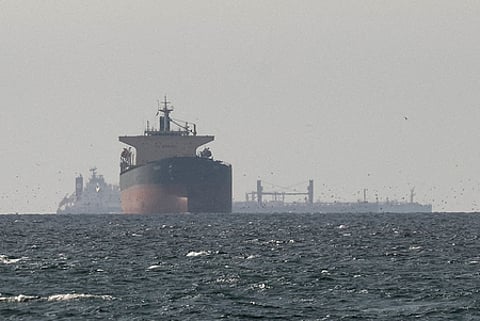
Iran has unveiled a 10-point proposal aimed at ending its conflict with the United States and Israel, offering to reopen the Strait of Hormuz and reduce regional tensions in exchange for sanctions relief and security guarantees.
The plan, delivered through Pakistani mediation, comes as US President Donald Trump has issued a firm deadline for Iran to comply with his demands or face a new wave of strikes targeting key infrastructure.
What is Iran’s 10-point peace plan?
Iran’s proposal is a structured framework to end the war permanently rather than temporarily pause it.
According to Iranian officials and state media, the key elements include:
A guarantee that Iran will not be attacked again
A permanent end to the war, not just a ceasefire
An end to Israeli strikes in Lebanon and against Iranian allies
The lifting of all US sanctions on Iran
Iran agreeing to reopen the Strait of Hormuz
Introduction of a $2 million fee per ship transiting Hormuz
Revenue from shipping fees to be shared with Oman
Funds to be used for reconstruction of war-damaged infrastructure
Establishment of safe passage protocols through Hormuz
A broader framework to end regional hostilities
Why is the Strait of Hormuz central to the proposal?
The Strait of Hormuz is one of the world’s most critical energy chokepoints, handling a significant share of global oil and gas shipments.
Iran has effectively restricted shipping through the strait during the conflict, disrupting global energy markets. Its offer to reopen the route is a key bargaining tool in negotiations.
The proposed transit fee — around $2 million per ship — reflects Tehran’s attempt to monetise control over the strait while funding reconstruction efforts.
What did the US propose earlier?
Before Iran’s latest move, the United States had put forward a 15-point framework through Pakistani intermediaries.
That plan reportedly included:
An immediate ceasefire
Reopening of the Strait of Hormuz
Talks toward a broader peace agreement within 15–20 days
Wider conditions tied to Iran’s regional activity and military posture
Iran rejected the proposal, arguing that a ceasefire without a permanent settlement was insufficient.
What has Trump said about Iran’s proposal?
Trump acknowledged the significance of Iran’s proposal but rejected it in its current form.
“It’s a significant proposal. It’s a significant step.”
He added: “It’s not good enough. But it’s a very significant step.”
At a White House news conference, Trump warned that if Iran fails to meet US demands by the Tuesday deadline, major strikes could follow.
“It will take them 100 years to rebuild,” he said.
He has also threatened to target civilian infrastructure, including bridges and power plants, if the Strait of Hormuz is not reopened.
Key takeaways
Iran has proposed a 10-point plan to end the war
Focus is on a permanent settlement, not a temporary ceasefire
Includes Hormuz reopening and sanctions relief demands
Introduces a $2m shipping fee model linked to reconstruction
US has called the proposal “not good enough”
Trump has set a deadline for compliance or military escalation
How has Iran responded to US demands?
Iran has taken a firm stance, rejecting the US framework and pushing for a broader resolution.
Foreign ministry spokesman Esmail Baghaei described the earlier US proposal as “extremely excessive, unusual and illogical.”
Iranian state media also emphasised that the latest proposal “rejected a cease-fire” and instead called for a permanent end to the war.
Why are negotiations still stuck?
Despite ongoing mediation efforts, key differences remain unresolved:
The US is pushing for immediate de-escalation and compliance
Iran is demanding long-term guarantees and sanctions relief
Both sides remain divided over regional security conditions
With Trump’s deadline approaching, the risk of further escalation remains high.
What happens next?
Negotiations are continuing through intermediaries, including Pakistan and other regional actors.
However, with the US rejecting Iran’s proposal so far and warning of imminent strikes, the situation remains volatile, with outcomes dependent on last-minute diplomatic progress.


