Hormuz crisis pushes global oil market toward ‘red zone’
Prolonged disruption to trigger deeper supply shocks, fuel price spikes, economic strain
Dubai: The world could be heading towards a dangerous oil supply crunch as the prolonged closure of the Strait of Hormuz drains emergency reserves and rattles global energy markets, the head of the International Energy Agency has warned.
As the disruption stretches into its fourth month following the US-Israeli war with Iran, IEA Executive Director Fatih Birol said global oil markets could slip into a “red zone” by July or August if supplies fail to recover and tanker traffic through Hormuz remains heavily restricted.
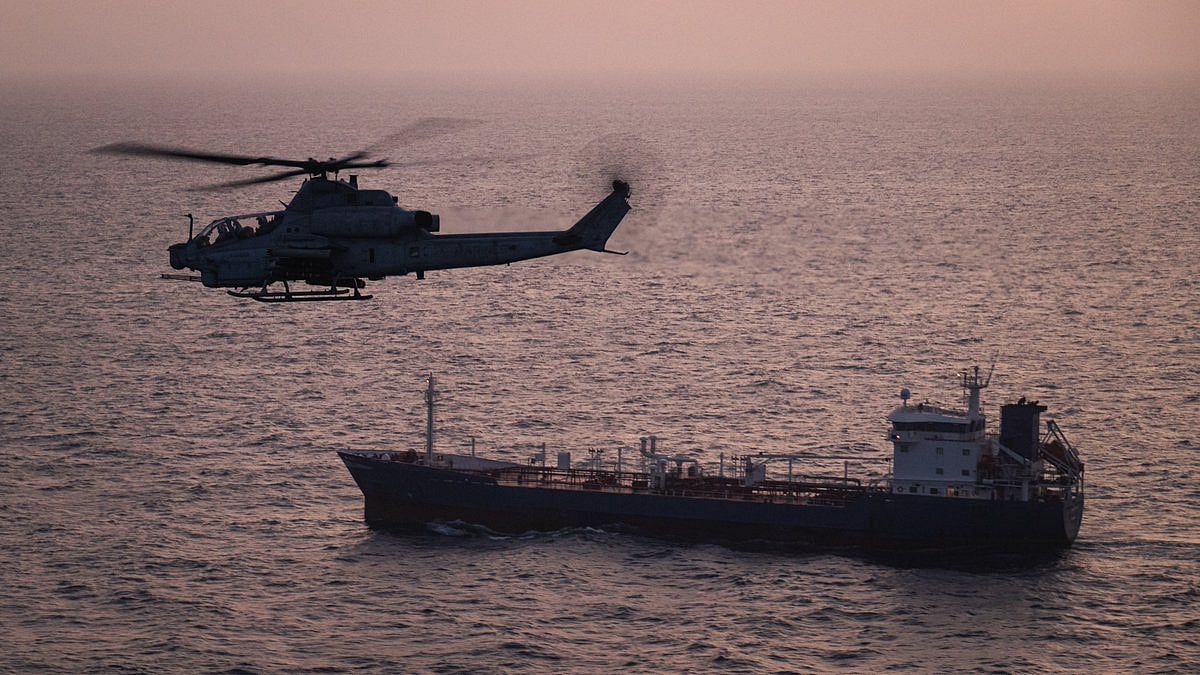
The Strait of Hormuz — the narrow maritime chokepoint through which roughly one-fifth of global seaborne oil and gas passes — has remained effectively shut since Iran blocked traffic following joint US-Israeli strikes in late February.
Speaking at London think tank Chatham House, Birol said the only real solution to the crisis was the “full and unconditional” reopening of Hormuz, according to multiple media reports.
He also warned that restoring damaged production and refining infrastructure across West Asia could take months — or even more than a year — even if tensions ease.
What is the ‘red zone’?
Birol was not necessarily predicting runaway oil prices, though the warning carries that risk.
Instead, he was describing a scenario in which global supply buffers become dangerously thin, leaving markets unable to absorb further shocks.
In practical terms, it means countries begin running low on emergency reserves while demand remains elevated, increasing the likelihood of shortages, sharp price swings and broader economic disruption.
The IEA and its member countries have already released around 400 million barrels from strategic reserves since March in an effort to stabilise markets — more than double the emergency release seen during Russia’s invasion of Ukraine in 2022.
But according to Birol, the scale of disruption linked to the Hormuz crisis is even greater, reports said.
Around 14 million barrels per day have effectively been removed from global markets by the conflict, he said, describing it as one of the most severe energy disruptions in modern history.
Prices already climbing
Brent crude, the global oil benchmark, is trading above $100 per barrel after hovering near $72 before the war.
Analysts warn prices could surge beyond $120 if fighting resumes or if shipping traffic through Hormuz remains severely restricted into July.
Fuel prices have already risen across Asia, Europe and Africa, while airlines worldwide are grappling with soaring jet fuel costs during the peak summer travel season.
In India, aviation turbine fuel prices jumped sharply in April and May, prompting authorities in Delhi and Mumbai to slash taxes in an effort to cushion travellers from further fare increases.
The impact is also being felt in the United States, where gasoline prices climbed to record highs earlier this year.
Trump claims ‘total control’
US President Donald Trump said on Thursday that Washington had “total control” of the Strait of Hormuz through its naval blockade.
“We have total control of the Strait of Hormuz with our blockade. Iran will not get nuclear weapon or we’ll do something drastic,” Trump said at the White House.
Meanwhile, reports suggest Tehran has discussed plans to impose transit fees on vessels passing through the strategic waterway, even as Washington insists the strait must reopen without restrictions or charges.
Diplomacy remains stalled
Despite the April 8 ceasefire, negotiations remain deadlocked.
The US continues to demand that Iran surrender its enriched uranium stockpile and dismantle its nuclear programme, while Tehran wants sanctions relief and compensation for war-related damage.
Energy analysts fear that even a limited resumption of hostilities — particularly attacks targeting oil facilities, ports or shipping infrastructure — could trigger another shockwave through already strained global markets.
And even if Hormuz were reopened immediately, experts warn it could still take weeks or months for supply chains, insurers and shipping firms to fully stabilise.
For now, one of the world’s most vital energy arteries remains partially choked — and the clock toward the “red zone” is ticking.

Sign up for the Daily Briefing
Get the latest news and updates straight to your inbox
Network Links
GN StoreDownload our app
© Al Nisr Publishing LLC 2026. All rights reserved.