45-day US-Israel-Iran 'ceasefire' in the works: What we know so far
Mediators make last-ditch push for 45-day ceasefire as Trump deadline nears
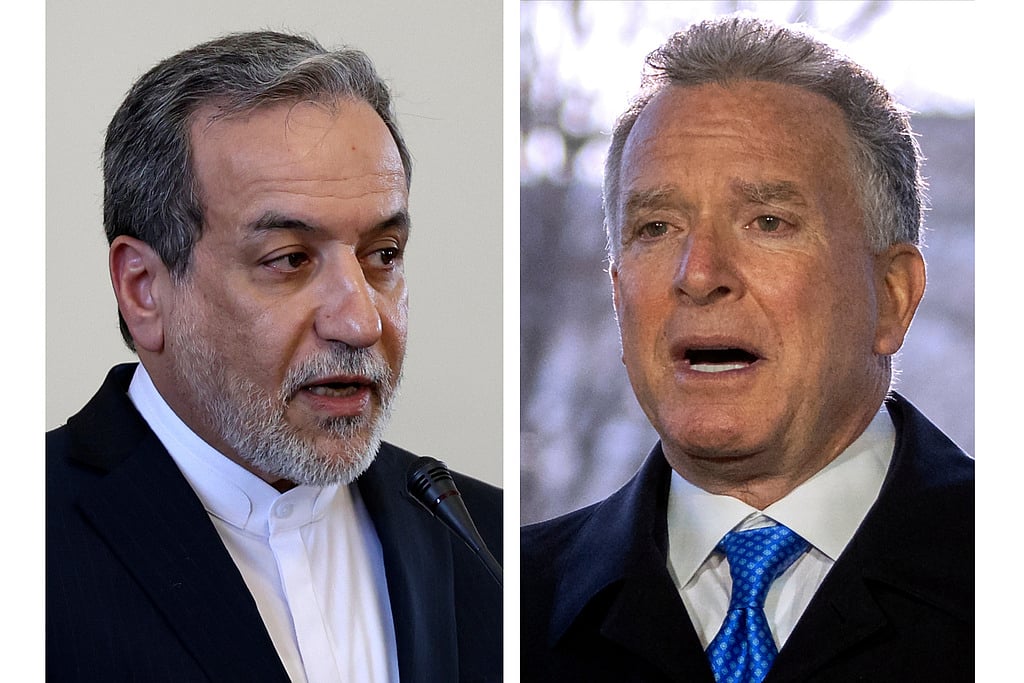
Iran and a group of regional mediators are reportedly trying to secure a proposed 45-day ceasefire – even as a deadline set by US President Donald Trump approaches, according to a report by Axios.
Citing US, Israeli and regional "sources" familiar with the talks, the Axios report released on Sunday (April 5) stated that the chances of reaching even a partial agreement in the next 48 hours appear “slim”.
'Little time' left
Mediators have told Iranian officials there is little time left for further manoeuvring and that the coming two days may represent the “final opportunity” to avoid a major escalation, Axios reported.
Axios (Greek: “Worthy”) is a Virginia-based US news site founded in 2016, launched by former Politico journalists.
In perhaps another sign of the conflict going on an off-ramp, Israel's military has stated Monday that their strikes against the Tehran regin had been "completed".
The regime's response, however, remained uncertain as of Monday morning.
Talks to end broader conflict
The talks are aimed at preventing a broader conflict that could include strikes on Iranian civilian infrastructure and retaliation against energy and water facilities in Gulf states.
Trump extended an earlier deadline by 20 hours, posting on Truth Social that Iran now had until Tuesday, April 7, at 8 pm Eastern time (Wednesday, April 8, at 4AM Gulf Standard Time) to reach an agreement.
Munir in contact with Vance, Witkoff, Araghchi
Meanwhile, Pakistan’s army chief Field Marshal Asim Munir has reportedly been in contact “all night long” with US Vice President JD Vance, special envoy Steve Witkoff and Iranian Foreign Minister Abbas Araghchi,
Separately, a senior Iranian official told Reuters that Tehran has received Pakistan’s proposal, and it was "being reviewed".
Moreover, an Iranian official told Tehran will "not reopen" Strait Of Hormuz in exchange for a “temporary ceasefire.”
Tehran believes that the United States "lacks readiness" for a permanent ceasefire, a senior Iranian official said.
Mediation, text messages
Two sources familiar with the matter told Axios that a US-Israeli bombing plan targeting Iran’s energy facilities is “ready”.
The extension was intended to allow one final chance for diplomacy, the news site added.
Get updated faster and for FREE: Download the Gulf News app now - simply click here.
According to the report, negotiations are being carried out through Pakistani, Egyptian and Turkish mediators, as well as text messages between Trump special envoy Steve Witkoff and Iranian Foreign Minister Abbas Araghchi.
'2-phase deal' in the works?
A US official said the administration has presented several proposals in recent days, but Iranian officials have not accepted them.
Axios said mediators are discussing a two-phase deal.
Phase 1: 45-day ceasefire
The first phase would establish a 45-day ceasefire during which a permanent end to the war would be negotiated, with the truce extended if needed.
Phase 2: Broader settlement, including Hormuz
The second phase would aim for a broader settlement that could include reopening the Strait of Hormuz and resolving Iran’s stockpile of highly enriched uranium, either through removal from the country or dilution.
'Confidence building steps'
Mediators are reportedly exploring “confidence-building steps” on both issues, though Iranian officials are said to be unwilling to fully abandon their leverage in exchange for only a temporary ceasefire.
They have also expressed concern about any arrangement that could leave them vulnerable to renewed strikes, similar to past ceasefire agreements in Gaza and Lebanon.
Axios stated the White House declined to comment.
Sign up for the Daily Briefing
Get the latest news and updates straight to your inbox
Network Links
GN StoreDownload our app
© Al Nisr Publishing LLC 2026. All rights reserved.