Saudi Arabia cuts Hajj payment window to six hours before deadline
New payment phase applies to Saudis and residents who have already completed registration
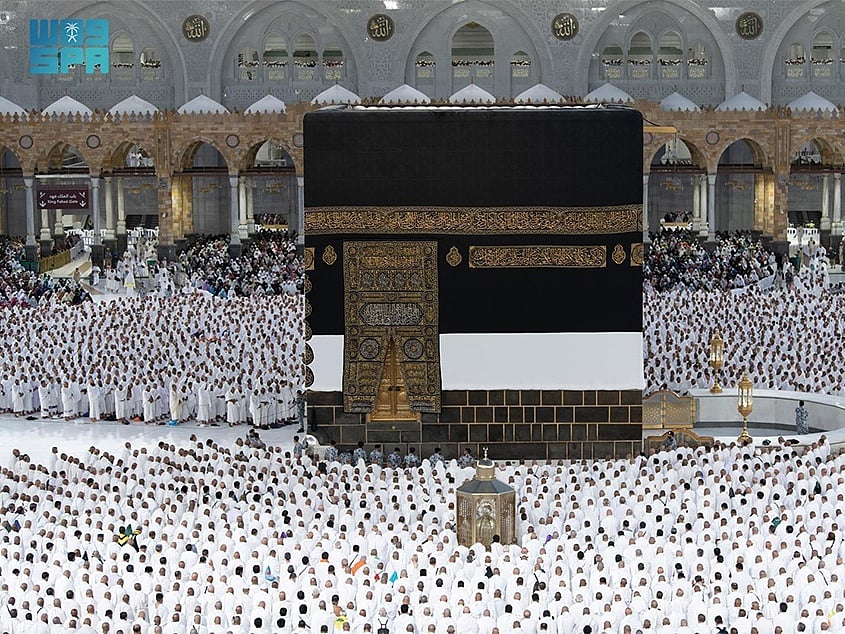
Dubai: Saudi Arabia’s Ministry of Hajj and Umrah is set to activate the second phase of domestic Hajj booking payments on Friday, May 15, as preparations continue for the upcoming pilgrimage season.
The new payment phase applies to Saudi citizens and residents who have already completed registration and secured reservations through the Nusuk electronic platform.
Get updated faster and for FREE: Download the Gulf News app now - simply click here.
The ministry said pilgrims will now be given up to 72 hours to settle reservation invoices until Thursday, 27 Dhul Qada, before the payment window is shortened to six hours on Friday, 28 Dhul Qada, in an effort to maximise seat availability and improve allocation efficiency.
It added that unpaid reservations will be automatically cancelled once the specified deadline expires, with payments processed through the SADAD system as part of digital procedures designed to organise bookings and ensure fair access to available Hajj seats.
The payment rollout comes as Saudi authorities continue implementing major upgrades across Mina ahead of Hajj 2026, including the introduction of a new identity for pilgrim tents covering more than 24,000 square metres.
The upgraded tents are distributed across two main locations in Mina, the upper area along King Abdulaziz Road and the lower site behind Al Khaif Mosque, in a move aimed at improving accommodation flow and easing pilgrim access to facilities and services within the holy site.
The project includes integrated facilities built to modern standards, featuring dining halls, open gathering spaces and advanced operational and administrative systems designed to improve efficiency and pilgrim comfort.
The newly designed tents incorporate enhanced ventilation and shading systems intended to provide a more organised and comfortable environment for pilgrims during the physically demanding pilgrimage period.
Saudi authorities have also completed a large-scale project to upgrade fire safety and cooling networks inside Mina’s tent compounds. The works covered 188 residential zones comprising 565 camps and included the installation and development of networks extending over 339,000 linear metres across four separate phases.
According to officials, the first two phases covered 121 compounds and 433 camps, while the third and fourth phases completed upgrades across an additional 67 compounds and 132 camps, as part of broader efforts to strengthen infrastructure readiness and operational sustainability during peak pilgrimage periods.
Network Links
GN StoreDownload our app
© Al Nisr Publishing LLC 2026. All rights reserved.