3.1 million seats, 12,000 flights: Saudi Arabia's transport plan for Hajj pilgrims
Air, rail, road and sea networks activated to move millions of pilgrims
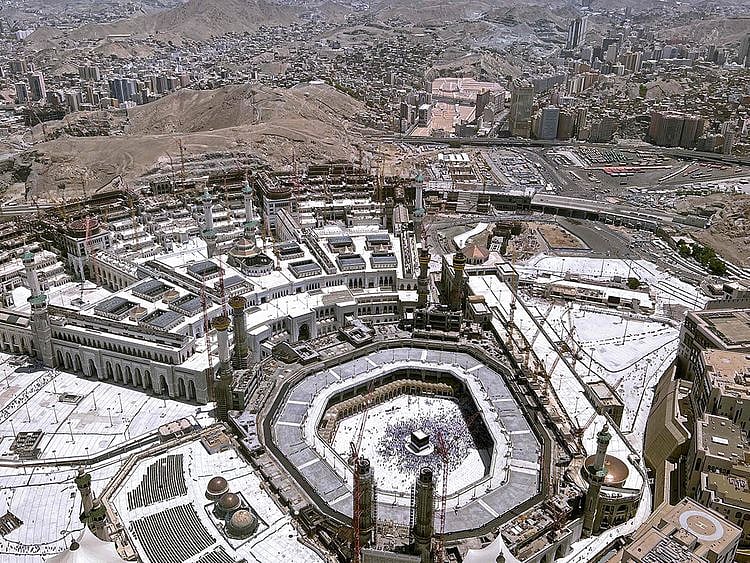
Dubai: Saudi Arabia has activated its highest level of readiness across the transport and logistics system ahead of the 1447 Hajj season, mobilising air, land, rail and maritime networks to ensure the safe and seamless movement of millions of pilgrims.
The Ministry of Transport and Logistics said the preparations are part of a fully integrated approach linking all modes of transport, aimed at delivering a smooth and secure pilgrimage journey for visitors arriving from around the world.
Get updated faster and for FREE: Download the Gulf News app now - simply click here.
In aviation, more than 3.1 million seats have been allocated for pilgrims, supported by over 12,000 scheduled and charter flights. Authorities said regulatory teams have been deployed to ensure airlines and airports meet performance and service standards.
Six key airports have been designated to receive Hajj flights, operated by a workforce of more than 22,000 staff. New initiatives include a “baggage-free traveller” service, allowing luggage to be shipped directly from accommodation, alongside expanded pre-shipment of Zamzam water.
National carriers have also increased capacity. Saudia has provided more than one million seats, supported by advanced digital services, while flynas said it is prepared to transport hundreds of thousands of pilgrims, including more than 147,000 from 20 international destinations.
Rail services will play a central role in moving pilgrims between holy sites. Saudi Arabia Railways has scheduled more than 2,000 trips for the Mashair train, expected to carry over two million passengers between Mina, Muzdalifah and Arafat.
The Haramain high-speed railway will operate 5,308 journeys with capacity exceeding 2.2 million seats, linking Mecca and Medina via King Abdulaziz International Airport.
On the roads, authorities have carried out extensive maintenance works, including clearing more than 56 million cubic metres of sand dunes, servicing 178,000 lighting units and installing over 4,000 directional and warning signs to enhance safety.
Public transport has been reinforced with a fleet of more than 33,000 buses and 5,000 taxis, alongside increased field inspections to ensure compliance with safety standards.
Logistics and postal services are also being scaled up, with Saudi Post deploying a fleet of trucks and delivery vehicles, as well as electric scooters and motorbikes to support operations in high-density areas, including airports and hospitals.
At sea, facilities at Jeddah Islamic Port have been prepared to receive pilgrims, with dedicated teams assigned to streamline procedures.
The National Transport Safety Center said emergency and response teams will operate around the clock across all transport sectors, ensuring rapid intervention in case of incidents.
Network Links
GN StoreDownload our app
© Al Nisr Publishing LLC 2026. All rights reserved.