How Pakistan emerges as key mediator in US-Iran war, what we know so far
Backchannel diplomacy and delayed strikes highlight Pakistan’s rising mediation role
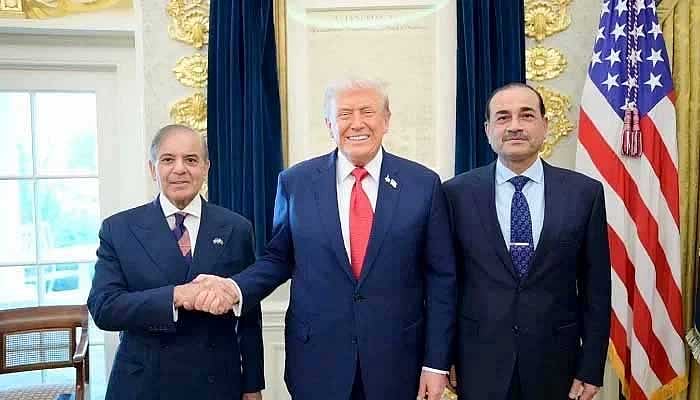
Dubai: As the US-Israel war on Iran enters its fourth week, Pakistan is rapidly positioning itself as a central diplomatic player, with officials and international reports pointing to Islamabad’s growing role as a key intermediary between Washington and Tehran in efforts to prevent a wider regional conflict.
A coordinated push involving Pakistan, Turkiye and Egypt has already yielded early results, with US President Donald Trump announcing a limited, five-day pause in planned strikes on Iran’s energy and power infrastructure. While fighting continues on multiple fronts, the delay is being seen as the first tangible outcome of intensified backchannel diplomacy.
What is happening
Diplomatic activity has accelerated behind the scenes as the conflict risks spiralling into a broader regional war, particularly around critical routes such as the Strait of Hormuz. Pakistan has emerged as one of a small group of countries relaying messages between the United States and Iran, at a time when direct engagement remains politically constrained for both sides.
Senior Pakistani leadership has been in active contact with both capitals. Prime Minister Shehbaz Sharif held talks with Iranian President Masoud Pezeshkian, stressing the need for de-escalation and a return to dialogue. Meanwhile, Chief of Defence Forces (CDF) and Chief of Army Staff (COAS) Field Marshal Syed Asim Munir reportedly spoke with US President Donald Trump on Sunday around the time the US announced its decision to defer strikes.
At the same time, indirect exchanges have been taking place between US Special Envoy Steve Witkoff and Iranian Foreign Minister Abbas Araghchi, with Pakistan, Turkiye and Egypt acting as intermediaries conveying positions between the two sides.
What we know so far
Pause in escalation: The US has delayed strikes on key Iranian infrastructure, describing recent talks as “productive” but still preliminary.
Indirect diplomacy: There is no confirmed direct contact between Washington and Tehran; all communication is being routed through intermediaries.
Pakistan’s expanding role: Islamabad has been delivering messages between both sides for some time, but its engagement has intensified as the conflict nears critical escalation points.
Possible talks in Islamabad: Reports suggest Pakistan could host high-level talks later this week, potentially involving US Vice President JD Vance and senior Iranian leadership, though this remains unconfirmed. However, the White House did not confirm it.
Iran’s cautious stance: Tehran has publicly denied negotiations, insisting any resolution must include security guarantees, reparations and recognition of its rights.
Regional coordination: Turkiye and Egypt are working alongside Pakistan, forming what officials describe as a “strategic diplomatic conduit” to bridge gaps between the two adversaries.
Why Pakistan is central
Analysts say Pakistan’s relevance stems from its rare ability to maintain working relationships with both Washington and Tehran. Its geographic proximity to Iran, combined with long-standing diplomatic and security ties across the region, gives Islamabad both urgency and access.
This dual positioning has allowed Pakistan to act as a “go-between,” especially as mistrust prevents direct engagement. Officials describe its role as that of a “net regional stabiliser,” focused on shifting the conversation from military escalation to political resolution.
There are also indications that Pakistan’s efforts may be aligned with broader regional backing, particularly from Gulf partners, further strengthening its credibility as a mediator.
What happens next
Despite early signs of progress, the path to a ceasefire remains uncertain. The current pause in US strikes is conditional and limited, and Iran has yet to signal readiness for formal negotiations.
However, with diplomatic channels now active and multiple intermediaries engaged, attention is likely to shift from the battlefield to negotiation tables, potentially in Islamabad.
Network Links
GN StoreDownload our app
© Al Nisr Publishing LLC 2026. All rights reserved.