US–India relations: Rubio visit spotlights trade tensions and Quad agenda
Iran tensions, Russian crude purchases shadow Rubio’s push for closer ties
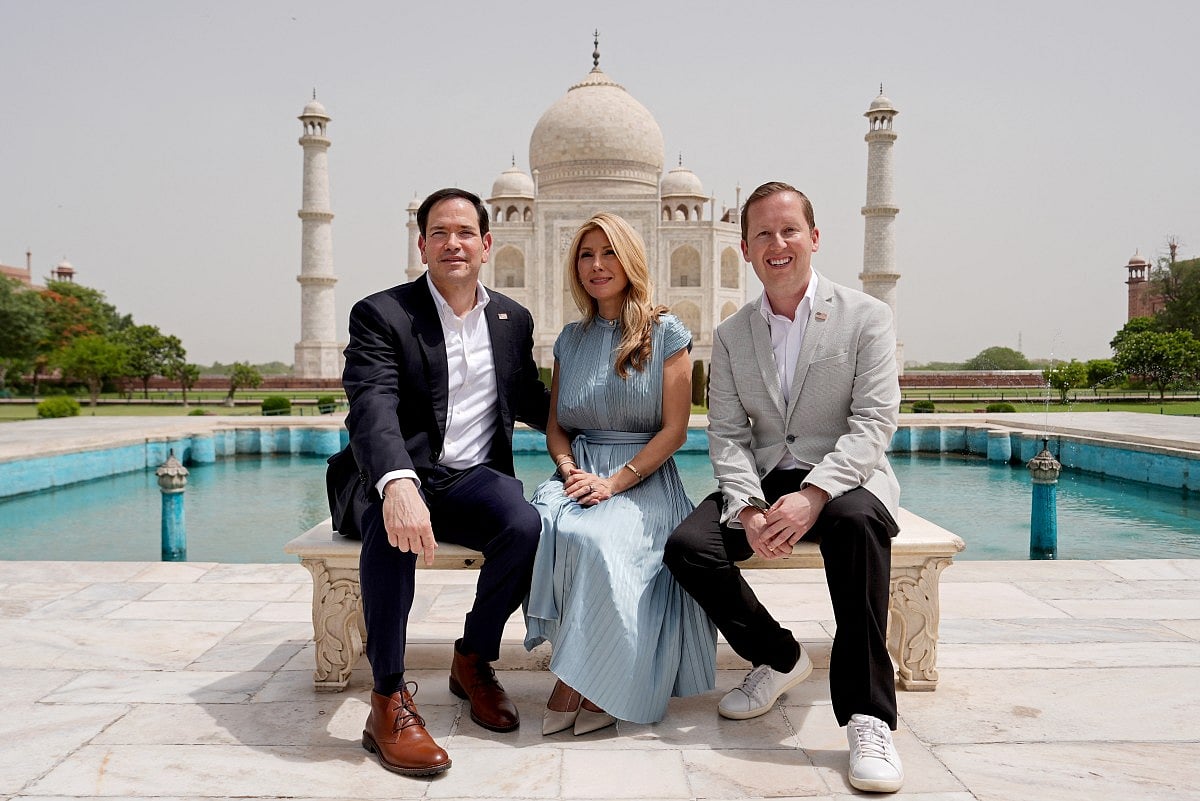
New Delhi: US Secretary of State Marco Rubio’s visit to India marks an effort by Washington and New Delhi to steady strained relations as both countries seek to reinforce strategic and economic ties despite recent trade tensions.
In meetings on Sunday with Indian Prime Minister Narendra Modi and Foreign Minister Subrahmanyam Jaishankar, Rubio stressed cooperation on trade, energy, defence and maritime security. He said the two countries remained strategically aligned and expressed optimism about a broader trade deal.
Get updated faster and for FREE: Download the Gulf News app now - simply click here.
Rubio’s four-day trip also includes discussions with counterparts from the Quadrilateral Security Dialogue, the Indo-Pacific alliance more commonly known as the Quad.
Here is what Rubio’s visit means for India–US ties:
India–US ties strained by tariffs
Relations between India and the US have been strained in recent months after the Trump administration imposed steep tariffs on Indian exports, partly over New Delhi’s continued purchases of Russian oil. The move angered Indian officials and fuelled concerns in the government over Washington’s reliability.
The two sides later reached an interim trade arrangement that eased some tariffs and expanded Indian purchases of US goods, including energy products. However, talks on a broader trade deal remain unresolved.
Despite tensions, India and the US continue to deepen defence and technology cooperation, with Washington viewing India as a key counterweight to China in the Indo-Pacific region.
During his talks with Jaishankar on Sunday, Rubio described India as one of Washington’s most important strategic partners and expressed optimism that a bilateral trade deal could be finalised soon. He also conveyed an invitation from US President Donald Trump for Modi to visit Washington later this year.
Questions over the Quad’s role
Rubio’s visit is also expected to include talks on Tuesday with foreign ministers from India, Australia and Japan, members of the Quad alliance alongside the United States.
The grouping has become a key platform for cooperation on maritime security, supply chains and regional strategy as China expands its military and economic influence in the Indo-Pacific.
The Quad has repeatedly criticised China’s actions in the South China Sea, accusing Beijing of militarising disputed waters. China, in turn, has accused the Quad of seeking to contain its rise and regional influence.
Recent trade tensions between Washington and New Delhi, along with Trump’s recent visit to China, have prompted renewed attention on the grouping.
Praveen Donthi, a senior analyst at the International Crisis Group, said India’s growing global influence has been largely tied to its role in balancing China’s power in the region, and any shift in US policy towards Beijing could affect New Delhi’s strategic value to Washington.
“If the US changes its approach towards China, it will diminish India’s importance,” Donthi said.
Iran conflict adds pressure on India
The Iran conflict has added to India’s energy concerns, raising worries about shipments through the Strait of Hormuz, a vital route for the country’s crude imports. Rising fuel costs have increased pressure on the Indian economy.
Jaishankar said on Sunday that India would continue expanding energy imports, including from the US, while diversifying suppliers to keep markets stable and prices affordable. He said New Delhi wants energy markets to remain open and unconstrained to support global economic growth.
India’s purchase of discounted Russian crude since the start of the Ukraine war has at times strained relations with the US.
Washington has urged India to increase purchases of US oil and gas as part of broader efforts to diversify energy supplies, with Rubio emphasising stronger energy cooperation during meetings in New Delhi.
Sightseeing in India
Alongside official meetings, Rubio’s visit has also included cultural engagements.
He began the trip in the eastern city of Kolkata, visiting the Missionaries of Charity headquarters founded by Mother Teresa. He also attended a gala reception in New Delhi marking the 250th anniversary of US independence.
Rubio’s itinerary includes stops in Agra and Jaipur, two of India’s most visited tourist destinations known for their monuments, forts and palaces.
Network Links
GN StoreDownload our app
© Al Nisr Publishing LLC 2026. All rights reserved.