Citizenship controversy: Indian passport-holding NRIs qualify as ‘citizens’ under RTI, govt records show
Centre’s 2010 records show RTI rights for NRIs, not OCI or PIO cardholders
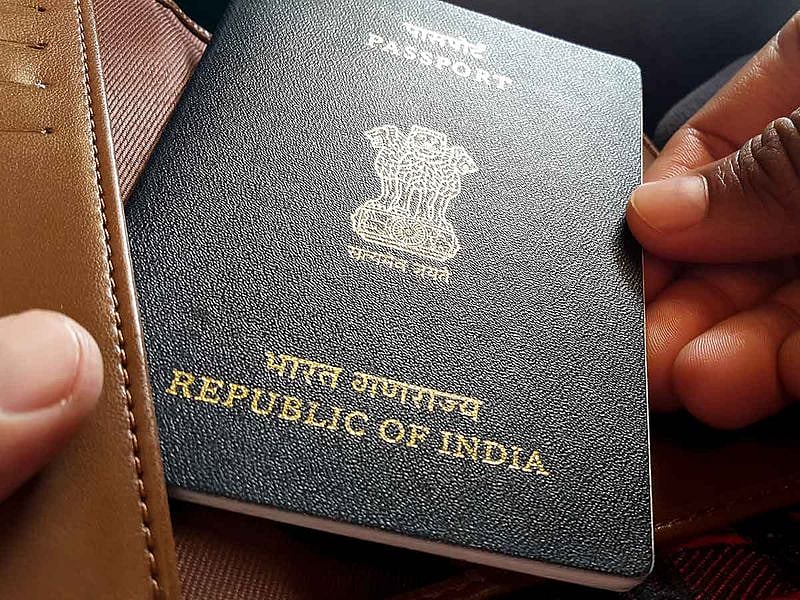
Inter-ministerial records from 2010 show that the Centre interpreted the term “citizen” under the Right to Information (RTI) Act to include Indian passport holders living abroad, while excluding Overseas Citizens of India (OCI) and Persons of Indian Origin (PIO).
According to media reports, officials distinguished Indian passport holders living abroad from OCI and PIO cardholders, stating that only the former were eligible to access RTI provisions.
Get updated faster and for FREE: Download the Gulf News app now - simply click here.
Issue triggered by NRI representation to PMO
The matter emerged after US-based NRIs wrote to then Prime Minister Manmohan Singh, urging recognition of their participation in India’s governance process.
This prompted inter-departmental discussions across the Ministry of External Affairs (MEA), Ministry of Home Affairs (MHA), Department of Personnel and Training (DoPT), Ministry of Overseas Indian Affairs (MOIA) and the Central Information Commission (CIC).
The focus remained on defining “citizen” under the RTI Act, particularly after some applicants sought inclusion of OCI holders.
MEA and MHA alignment on RTI eligibility
According to The Economic Times, during Central Information Commission hearings, the Ministry of External Affairs (MEA) maintained that “citizens” under the RTI Act referred only to Indian passport holders living or working abroad, effectively NRIs, and excluded OCI and PIO categories.
As citizenship matters fall under the MHA, its opinion was sought. Records show the MEA separately conveyed to the MHA that RTI eligibility should extend to NRIs but not OCI or PIO holders.
The MHA endorsed this interpretation, while DoPT and MOIA supported referring the matter for final determination by the Home Ministry.
Issue resurfaces after MEA clarification
The matter has returned to discussion after the MEA recently clarified that an Indian passport is a travel document and not conclusive proof of citizenship.
The statement was reiterated during Passport Seva Divas on June 24, with officials noting that citizenship is determined under the Citizenship Act, 1955, and not the Passports Act, 1967.
Legal framework and court views
Legal experts say the government’s position aligns with existing law, where passports serve as travel documents rather than proof of citizenship. Courts, including the Bombay High Court, have also upheld this interpretation.
Political reactions spark debate
The clarification triggered political reactions. Congress MP Shashi Tharoor called it an “absurd legal paradox” and urged legislative changes to define passports as conclusive proof of citizenship.
Leaders from the Trinamool Congress and Shiv Sena (UBT), including West Bengal Chief Minister Mamata Banerjee, also questioned what document should be treated as definitive proof of citizenship if passports are not considered sufficient.
Network Links
GN StoreDownload our app
© Al Nisr Publishing LLC 2026. All rights reserved.