India taps 41 nations for energy amid Hormuz tensions, PM Modi says
Modi flags supply risks as Indian LPG vessels begin crossing Strait
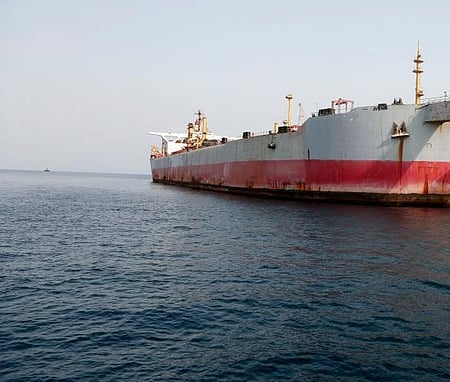
New Delhi: India is working to ensure uninterrupted supplies of oil, gas and fertilisers despite disruptions in the Strait of Hormuz, Prime Minister Narendra Modi said on Monday, even as two Indian LPG carriers began moving through the strategic waterway, offering some relief amid ongoing tensions.
Addressing the Lok Sabha on the West Asia conflict, Modi said the government has taken steps over the past decade to diversify energy imports and reduce vulnerability to global disruptions.
“Earlier, we used to import energy from 27 countries. Today, India imports energy from 41 countries,” he said, Indian media reports said, underlining efforts to broaden sourcing amid the current crisis.
“A large quantity of crude oil, gas and fertilisers come to India through the Hormuz Strait route. Since the war began, movement through the strait has become very challenging. Despite this, we have ensured that supplies of petrol, diesel and gas are not severely impacted,” Modi said.
Indian media reports said tanker movement through the strait has slowed amid heightened security risks, pushing global oil prices higher and fuelling concerns about domestic supply pressures.
At the same time, there are signs of cautious movement returning.
Two Indian-flagged LPG carriers — Jag Vasant and Pine Gas — are currently transiting the Strait of Hormuz after receiving clearance for safe passage, according to Indian media reports and ship-tracking data.
Delivery trends
The vessels, which had remained stranded in the region following the escalation of tensions, began their journey early Monday and are expected to exit into the Gulf of Oman if conditions remain stable.
Both ships are carrying liquefied petroleum gas (LPG), a critical cooking fuel used by millions of households in India.
Indian media reports said the vessels are navigating close to Iran’s coastline near Qeshm and Larak islands — a precautionary shift from usual shipping lanes as authorities attempt to manage risks in the area.
Shipping patterns suggest that Iran is exerting tighter control over traffic through the strait, allowing selective movement of vessels after negotiations while restricting others.
The development offers some relief at a time when supply disruptions have triggered reports of LPG shortages in parts of India, affecting households and commercial establishments.
Priority given to domestic LPG supply
India imports about 60 per cent of its LPG requirements, making the safe passage of shipments through Hormuz critical.
Modi said the government has prioritised domestic LPG supply and stepped up production to cushion the impact of uncertainty.
“At the same time, domestic production of LPG is also being increased. Continuous efforts are being made to ensure that the supply of petrol and diesel remains smooth across the country,” he said.
Beyond immediate supply measures, the Prime Minister highlighted structural steps taken to strengthen energy security.
These include building strategic petroleum reserves, which currently exceed 53 lakh metric tonnes, with plans to expand capacity further to over 64 lakh metric tonnes.
He also pointed to increased refining capacity and ongoing engagement with global suppliers to maintain steady imports.
“The government is continuously in touch with suppliers from different countries. We are monitoring Gulf and overseas shipping routes closely,” Modi said.
“Our endeavour is that ships carrying essential items like oil, gas and fertilisers reach India safely. Several of our ships stranded in the Hormuz Strait have also arrived in India in recent days,” he added.
For India, the combination of diversified imports, strategic reserves and active monitoring of shipping routes is aimed at mitigating risks.
But with tensions in the region continuing, the safe movement of vessels — like the two LPG carriers currently navigating the strait — remains a key test of how resilient those measures are in practice.
-- With IANS inputs

Sign up for the Daily Briefing
Get the latest news and updates straight to your inbox
Network Links
GN StoreDownload our app
© Al Nisr Publishing LLC 2026. All rights reserved.