Middle East war: 8 things UAE residents need to know tonight, November 21
Hormuz tanker attacks, Iran's missile claims and Saudi interceptions raise tensions
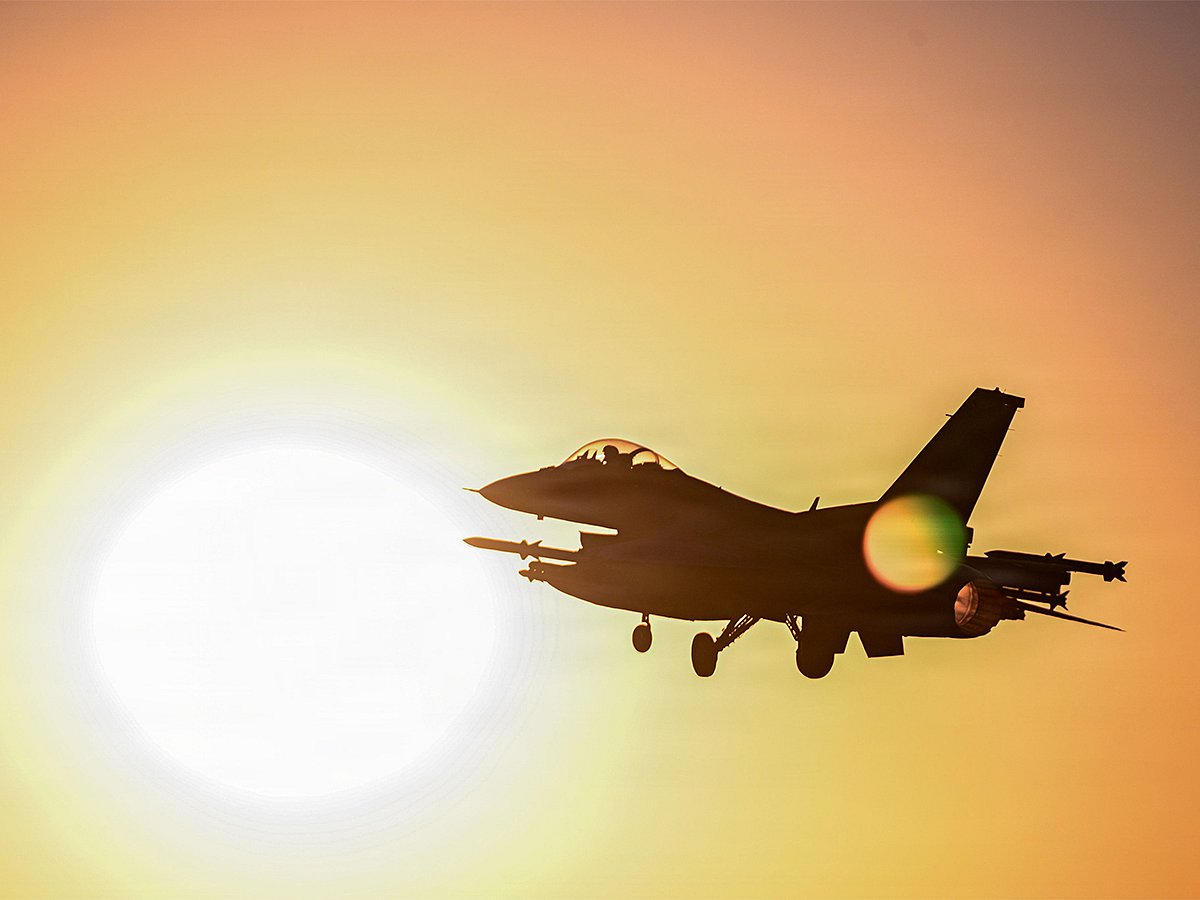
Dubai: Two tanker incidents near the Strait of Hormuz raised fresh concerns over shipping security on Saturday. At the same time, Iran unveiled a new missile launcher and the US military rejected Tehran's claim that it had damaged an American fighter jet.
Saudi Arabia also intercepted missiles targeting Riyadh, as diplomatic differences between Washington and Tehran persisted. For UAE travellers, flight cancellations on some Saudi routes have been extended until the end of November.
Get updated faster and for FREE: Download the Gulf News app now - simply click here.
Here are eight developments UAE residents need to know tonight.
1. Tankers hit near Strait of Hormuz
British maritime agency UKMTO reported two tanker incidents near Oman's Khasab on Saturday.
One tanker travelling out of the Strait of Hormuz was struck on its stern by an unidentified projectile about 11 nautical miles north of Khasab. Another report described a tanker hit in its engine room 17 nautical miles east of the port.
No casualties were reported. Reuters said it was unclear whether the incidents involved two separate vessels.
Iran's navy separately claimed that an oil tanker caught fire after striking a naval mine in restricted waters east of the strait. The circumstances of that incident have not been independently established.
The latest reports follow another tanker attack near Khasab on Friday, highlighting continuing risks to commercial shipping through the strategic waterway.
2. Iran unveils missile launcher as US rejects F-16 claim
Iranian state television broadcast footage on Saturday of a new missile launcher at an underground Revolutionary Guard facility.
The launcher was described as capable of firing two liquid-fuelled missiles. The facility's location was not disclosed.
Revolutionary Guard Aerospace Force commander Brigadier General Seyyed Majid Mousavi claimed Iran's military capabilities had expanded significantly despite earlier US assertions that its missile programme had been destroyed.
Separately, US Central Command (CENTCOM) rejected an Iranian claim that its forces had damaged an American F-16 fighter jet on Friday, forcing an emergency landing.
CENTCOM said Iran had not attacked a US F-16 and that all American military fighter jets in the Middle East were safe and accounted for.
3. Iran claims US drone shot down over Qeshm
Iran claimed on Saturday that its forces had shot down an American drone over Qeshm Island in the Strait of Hormuz.
The claim was carried by Iranian state television and followed a reported US strike on an Iranian missile site on the island earlier in the week.
There was no immediate confirmation from the US military of the reported drone loss.
The competing military claims come amid continuing tensions around the waterway, where commercial shipping and military operations remain exposed to attacks.
4. Saudi Arabia intercepts three Houthi missiles
The Saudi-led coalition said it intercepted and destroyed three ballistic missiles launched by Yemen's Houthi movement towards Riyadh early Saturday.
Explosions were heard in the Saudi capital following an aerial threat alert. Saudi civil defence authorities subsequently announced that the danger had passed.
The interceptions followed Saudi-led airstrikes in Yemen. Houthi-controlled Al Masirah television reported that at least 41 people, including women and children, had been killed in strikes over the preceding 24 hours.
The casualty figures could not be independently verified.
The renewed fighting has raised concerns over regional security and aviation, particularly after Houthi warnings about further attacks on Saudi infrastructure.
5. Trump says Iran wants deal but terms unacceptable
US President Donald Trump said on Friday that Iran wanted an agreement with Washington but had not offered terms the United States considered acceptable.
His comments came as diplomatic contacts continued through intermediaries, although significant differences remain over the conditions for ending the conflict.
Iranian Foreign Minister Abbas Araghchi has said Tehran continues to seek a diplomatic settlement but has rejected some US demands.
No agreement to end the fighting or lift restrictions affecting the Strait of Hormuz has been announced.
6. US says Iran blockade reaches 130 days
The US military said on Saturday that its blockade against Iran had reached 130 consecutive days.
CENTCOM said American forces continued to enforce restrictions intended to prevent Iran's Islamic Revolutionary Guard Corps from exporting crude oil.
The command claimed the blockade was preventing the IRGC from exporting billions of dollars' worth of oil, although the financial impact could not be independently verified.
The blockade remains a major point of contention between Washington and Tehran, complicating efforts to negotiate an end to the conflict.
7. Iran says China and Russia oppose nuclear policy change
Iranian Foreign Minister Abbas Araghchi said China and Russia opposed changing Tehran's nuclear doctrine, amid calls within Iran for a shift in policy.
In an interview published on Saturday by the state-run Iran Daily newspaper, Araghchi acknowledged that the issue had supporters and opponents.
However, he stressed that Iran's official nuclear doctrine remained unchanged.
China and Russia have strategic cooperation agreements with Tehran. Araghchi said neither government independently confirmed its reported opposition to a policy change.
8. UAE flights: Etihad extends Saudi cancellations
UAE travellers continue to face disruption as regional security concerns affect flights to Saudi Arabia.
Etihad Airways has extended cancellations of passenger and cargo services between Abu Dhabi and Riyadh and Dammam through November 30. Its other Saudi routes continue to operate as scheduled, according to the airline's advisory.
Emirates, flydubai and Air Arabia are operating select Saudi services, although some flights remain cancelled and status information is unavailable for certain routes.
Travellers are advised to check directly with their airlines before departure, as schedules remain subject to change.
Read the latest UAE flight status update and Saudi cancellations for full details.
Network Links
GN StoreDownload our app
© Al Nisr Publishing LLC 2026. All rights reserved.