How to prevent overeating on Eid: UAE doctors on easing back into meals after Ramadan fasting
After a month of fasting, the body needs time to readjust
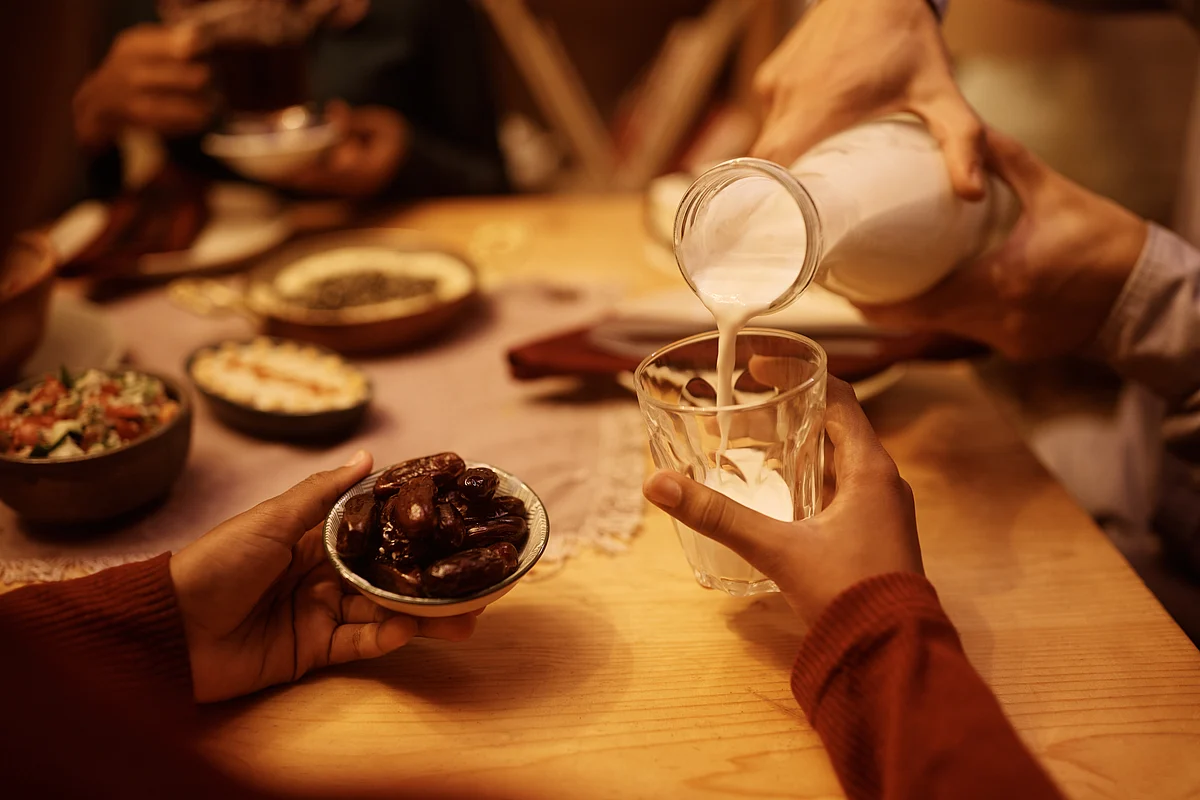
After a month of restraint, routine and reflection, Eid arrives with abundance. Tables fill up quickly, rich biryanis, syrup-soaked desserts, endless cups of tea, and so do plates. It’s a celebration, after all. But somewhere between the second helping and the post-meal slump, many find themselves wondering the same thing: Why does eating feel so overwhelming on Eid?
The balance of Suhoor and Iftar
Ramadan is a month of fasting, reflection, and self-discipline. Beyond physical health, it nourishes mental clarity, emotional balance, and mindful eating, promoting a healthier relationship with food and lifestyle. When approached wisely, Ramadan becomes a powerful opportunity to improve both physical health and inner wellness, explains Narjesene Rasheed, Head of Wellness & Nutrition at Kaya Wellness & Longevity.
During this time, eating follows a rhythm. Meals are structured, portions are often more controlled, and there’s a greater awareness of what and how much is consumed.
The idea: Suhoor should provide long-lasting energy while being gentle on digestion. You opt for complex carbohydrates such as oats or whole grains, protein like eggs or yogurt, and healthy fats from nuts or seeds, and include fibre-rich and probiotic foods, along with adequate water intake, supports gut health and helps prevent fatigue and excessive thirst during the day, explains Rasheed.
At Iftar, the fast is broken gently with water and dates, followed by a light soup or salad to rehydrate and activate digestion. Main meals should remain balanced, including lean protein, vegetables, and whole grains, while fried foods and sugary desserts should be enjoyed in moderation to maintain digestive comfort and overall health.”
This balance, however, can quickly unravel once the fasting period ends.
Why overeating happens on Eid
The most important thing to consider during fasting is maintaining a balanced food intake. Fasting is not about eating more when the fast ends, but about nourishing the body wisely, Rasheed adds.
Yet, Eid often becomes the opposite. Long hours of fasting, followed by celebratory spreads, can lead to larger portions, faster eating, and a tendency to overindulge, especially when favourite dishes are only around for a short time.
What’s happening in your body
After a month of fasting, the body needs time to readjust. And, how you begin Eid morning can make all the difference. Starting the day with a light, balanced meal helps ease the digestive system back into its routine, explains Raghda Ali, Clinical Dietician of Medcare Hospital Sharjah. This could mean, fresh fruit, yoghurt, whole grains or eggs, simple, nourishing choices that provide steady energy without overwhelming your system.
And then, there's water intake. As your body returns to regular fluid intake, drinking water consistently through the day is key. Slowing down your pace of eating matters too; eating mindfully not only enhances the experience but also supports smoother digestion and overall comfort, she adds.
The challenge, however, lies in how quickly things can shift. Moving from a structured fasting routine to unrestricted eating is often abrupt, and the digestive system feels it. Diving straight into large, heavy meals can put unnecessary strain on a body that has spent weeks adapting to a completely different rhythm.
Then come the treats. Eid tables are filled with them, and while indulgence is part of the joy, going overboard, especially on sugar, can backfire. Sudden spikes in blood sugar, followed by sharp crashes, can leave you feeling sluggish, irritable and drained, far from the energy you want during celebrations.
As Ali explains, “This sudden change can sometimes lead to bloating, indigestion or fatigue. Gradually increasing portion sizes and spacing meals sensibly across the day allows the body to adjust more comfortably. Balanced meals that include fibre, protein and healthy fats can also help maintain steady energy levels,” she says.
It’s why so many people find themselves feeling unexpectedly uncomfortable on Eid. Bloating, acidity, indigestion or that heavy, weighed-down feeling often creep in, largely because the body is suddenly dealing with richer foods and larger portions than it’s used to. "Eating moderate portions, allowing time between meals and maintaining good hydration can help support healthy digestion. Including fibre-rich foods such as fruits, vegetables and whole grains also help the digestive system function smoothly," she adds.
The right way to ease into Eid
Instead of diving straight into heavy meals, experts suggest treating Eid morning as a transition rather than a reward.
Apart from fresh fruits, yoghurt and other probiotic-rich foods that will boost your fibre intake, you can also still enjoy your dose of sweet and fried foods, but in limited quantity, as Ali explains.
So, here's how you can go about it:
Your first meal on Eid morning sets the tone for how your body will respond throughout the day. Instead of jumping into a feast right away:
Drink warm water with a squeeze of lemon or a pinch of cinnamon to stimulate digestion and rehydrate your body after a long period of reduced water intake.
Choose easily digestible foods like dates, fresh fruits, or yogurt, which provide natural sugars, fibre, and probiotics to gently wake up your gut.
Incorporate proteins and healthy fats, such as nuts, eggs, or a small serving of whole grains, to sustain energy without straining your digestion.
Pair sweets with protein or healthy fats, such as nuts or yogurt, to slow down sugar absorption.
Sip green tea or cinnamon tea to aid digestion and control sugar spikes.
Include antioxidant-rich foods like berries, citrus fruits, and leafy greens in your meals.
Stay hydrated to avoid fatigue
Late-night socialising, heavier meals, and caffeine from coffee can leave you dehydrated, leading to fatigue and headaches. Keep your hydration in check by:
Drinking at least eight to ten glasses of water throughout the day.
Eating water-rich foods like cucumbers, watermelon, and oranges.
Limiting caffeine intake, especially before bedtime.
Prioritise sleep even during celebrations
Between family gatherings and celebrations, sleep often takes a backseat, but a well-rested body fights off infections better. To ensure your immune system stays strong:
Stick to a regular sleep schedule as much as possible.
Wind down with herbal teas or meditation before bed.
Avoid excessive screen time at night to improve sleep quality.
Avoid fried and greasy foods
Eid spreads are often filled with deep-fried delicacies, from samosas to spring rolls and kebabs, but consuming these in excess can cause several problems:
Indigestion and bloating due to high-fat content that slows down stomach emptying.
Acid reflux as oily foods relax the lower esophageal sphincter, leading to discomfort.
You might experience sudden energy crashes, as fried foods lack essential nutrients and fibre.
Instead of cutting them out completely, moderate your intake and choose healthier alternatives:
· Grilled or baked versions of your favourite dishes retain flavor without excessive oil.
· Air-frying provides a crispy texture with significantly less fat.
· Pair fried foods with fibre-rich sides, such as salads or whole grains, to aid digestion.
Network Links
GN StoreDownload our app
© Al Nisr Publishing LLC 2026. All rights reserved.