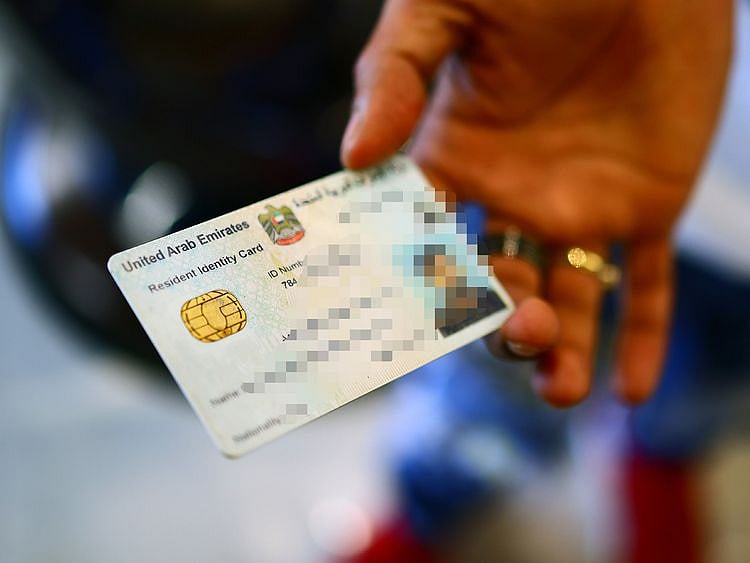
Dubai: The Emirates Health Services (EHS) has begun implementing a plan to abolish the health card, long a prerequisite for accessing treatment at its hospitals and healthcare centres, replacing it with the Emirates ID as the primary identifier for patients.
The move is aimed at simplifying procedures and reducing administrative burdens for patients seeking medical services across EHS facilities.
Saif Abdullah Al Hassani, Head of Service Development and User Experience at EHS, said the cancellation would be rolled out in phases. The first stage will cover Emirati citizens, residents and nationals of Gulf Cooperation Council (GCC) countries. Subsequent phases will extend to other categories, including children of Emirati women, spouses of Emirati citizens and people of determination.
“The decision to dispense with the health card and rely on the Emirates ID aligns with the government’s digital transformation agenda and the integration of national databases,” Al Hassani said. He added that the change is designed to enhance ease of access to healthcare services without additional procedural steps.
The health card has historically been required for registration and treatment at EHS hospitals and clinics, with patients needing to ensure the card’s validity and renew it when expired.
Under the new system, the Emirates ID will serve as the unified reference for patient data, reducing unnecessary requirements and streamlining registration procedures. Once fully implemented, the measure is expected to shorten waiting times, accelerate admissions and improve overall patient satisfaction.
Al Hassani said the EHS is technically ready to cancel the health card for all categories at once. However, a phased approach has been adopted to test system readiness and monitor any operational challenges before extending the policy to all groups.
The first group of beneficiaries has already completed the necessary technical and regulatory procedures, with a formal announcement expected soon. Further categories will follow in stages, particularly where additional coordination with external entities is required.
Network Links
GN StoreDownload our app
© Al Nisr Publishing LLC 2026. All rights reserved.