Dubai abattoirs process 11,022 sacrificial animals in first two days of Eid
Smart services and veterinary inspections helped streamline Eid operations
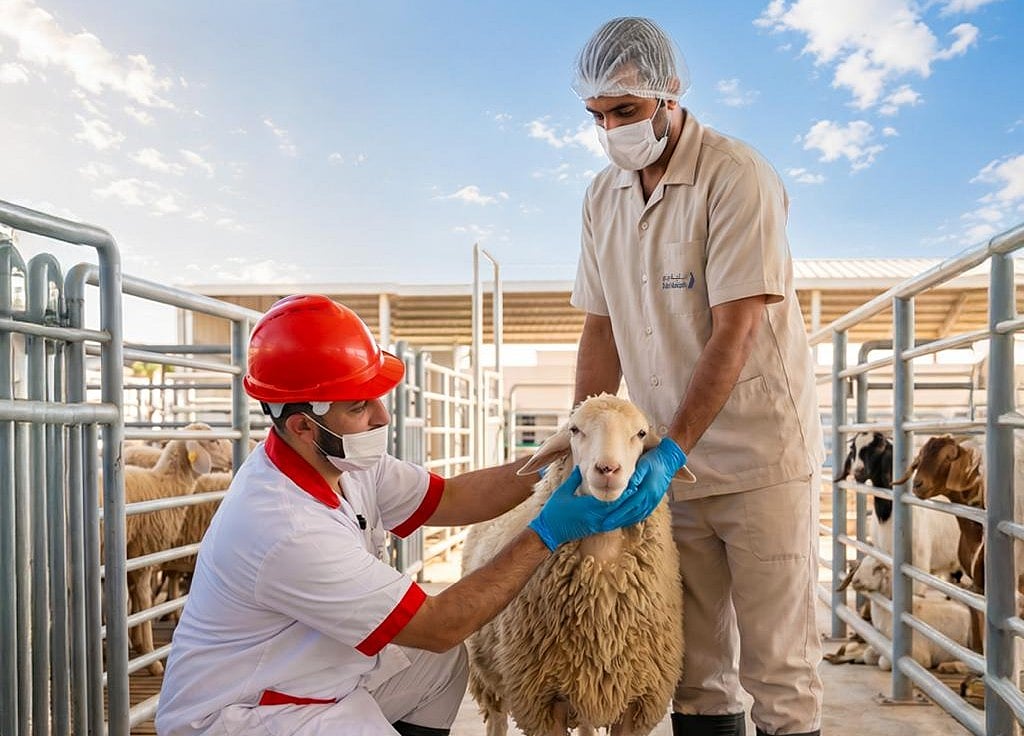
Dubai: Municipal abattoirs across Dubai processed more than 11,000 sacrificial animals during the Day of Arafat and the first day of Eid Al Adha, as authorities ramped up operations to accommodate one of the busiest periods of the year while maintaining health and safety standards.
Data released by Dubai Municipality showed that a total of 11,022 sacrificial animals were received over the two days, including 2,719 on the Day of Arafat and 8,303 on the first day of Eid.
Get updated faster and for FREE: Download the Gulf News app now - simply click here.
According to Al Bayan newspaper, Al Qusais Abattoir recorded the highest volume, processing 5,014 animals over the two-day period, followed by the Fast Abattoir with 2,090 sacrifices on the first day of Eid alone. Al Quoz Abattoir handled 1,876 animals, while Al Lisaili and Hatta abattoirs received 1,650 and 392 animals respectively.
Dubai Municipality said its abattoirs, which have a combined processing capacity of 1,000 animals per hour, operated under a comprehensive system designed to ensure food safety, animal welfare and operational efficiency.
Qualified butchers and veterinary teams carried out inspections before and after slaughter to verify the suitability of animals for human consumption, while waste disposal procedures were implemented in line with approved health standards.
The municipality also continued offering digital sacrifice services through approved smart applications, allowing residents to order prepared sacrificial meat without visiting livestock markets or abattoirs. The service enables meat to be delivered directly to customers’ homes under regulated health and safety procedures.
Meanwhile, Ras Al Khaimah Municipality reported that abattoirs across the emirate processed 4,104 sacrificial animals during the same period amid heightened veterinary and operational measures.
According to Munther bin Shukr Al Zaabi, Director General at Ras Al Khaimah Municipality Department, 1,119 animals were received on the Day of Arafat, while 2,385 were processed on the first day of Eid. Operations included sheep, cattle and camels, with veterinary teams conducting inspections before and after slaughter to ensure compliance with health and safety requirements.
Al Zaabi said the municipality had implemented a pre-planned operational strategy aimed at reducing congestion and improving customer experience. The plan included organising customer movement, limiting access to slaughter facilities during peak periods and expanding services at southern-area abattoirs, including Shawka Abattoir.
The municipality also continued using a digital notification system that assigns a unique identification number to each sacrifice and sends customers text messages with collection details once veterinary inspections are completed. It said the system has helped reduce crowding and streamline collection procedures during peak holiday demand.
Network Links
GN StoreDownload our app
© Al Nisr Publishing LLC 2026. All rights reserved.