Kanye West
Kanye West barred from entering UK as Wireless Festival booking triggers political and public backlash
Sponsors quit, critics mobilise as Kanye West’s Wireless headline sparks UK ban
Last updated:
3 MIN READ
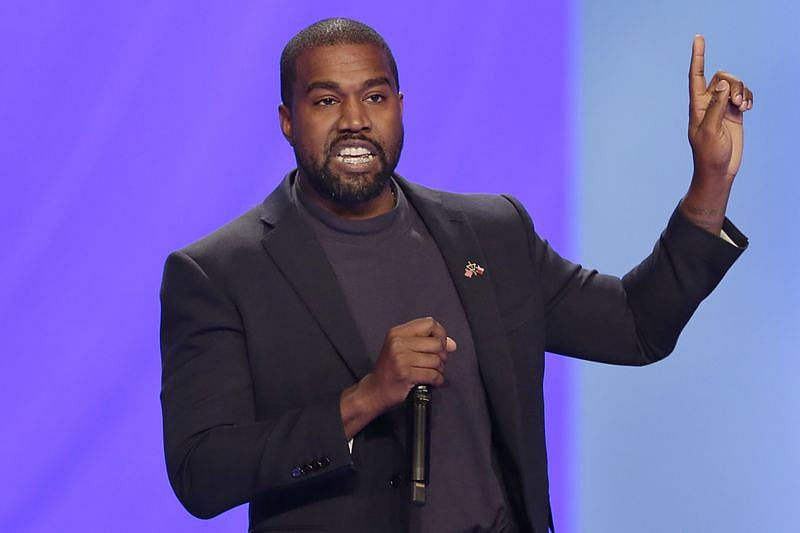
Ye West, formerly known as Ye.
AP
Dubai: Controversial American rapper Kanye West, known now as Ye, has been reportedly blocked from entering the United Kingdom ahead of his planned headline performance at London’s Wireless Festival, following mounting backlash over his past antisemitic remarks and public conduct. Here's the breakdown of the growing controversy:
Why has Kanye West been blocked from entering the UK?
According to Sky News, the decision was taken on the grounds that his presence would not be “conducive to the public good,” a threshold the UK government uses in cases involving extremism or behaviour deemed harmful to society.
What led to this decision?
The ban follows intense backlash after West was announced as a headline act. His inclusion sparked criticism from politicians, Jewish organisations and sections of the public, many of whom questioned why someone with his track record was being given such a high-profile platform. According to a report in BBC, Prime Minister Sir Keir Starmer publicly described the booking as “deeply concerning,” while other senior ministers expressed similar unease, putting pressure on the Home Office to review his entry.
Get updated faster and for FREE: Download the Gulf News app now - simply click here.
Why is Kanye West such a controversial figure right now?
West’s recent years have been marked by repeated controversies linked to antisemitic remarks and behaviour. He has previously made statements expressing admiration for Adolf Hitler, shared offensive imagery and messaging, and released content that drew widespread condemnation. These incidents have had real-world consequences. Major brands cut ties with him, his social media accounts were restricted at various points, and his public image shifted significantly. Critics see this as part of an ongoing pattern rather than isolated incidents.
Has he tried to address the criticism?
West has issued apologies and, more recently, said he is willing to meet members of the Jewish community in the UK. He has stated that he wants to demonstrate change through actions rather than words, acknowledging that his past comments caused harm. However, critics remain cautious, noting that previous apologies have not always led to sustained changes in behaviour.
Why is the Wireless Festival at the centre of this?
Wireless Festival is one of the UK’s biggest music events, and West had been scheduled to headline multiple nights. His booking triggered wider debate about accountability in the entertainment industry. The fallout has been significant. Sky News reports that major sponsors, including Pepsi and Diageo, withdrew their support, while advocacy groups warned of protests if the performance went ahead.
Can the UK legally block someone even if they already have a visa?
Yes. Under UK law, the Home Secretary has the authority to deny entry to individuals if their presence is deemed harmful to the public good. This can include cases involving extremism, hate speech or the risk of inciting unrest. Reports claims if a visa has already been issued, it can still be revoked. In West’s case, his permission to enter the country had reportedly been granted but was under review before being blocked.
What happens next?
With the government stepping in, West is unlikely to perform at Wireless Festival this year. The situation has also reignited broader questions about how the music industry and authorities respond when artists’ public conduct becomes part of the story.
Network Links
GN StoreAbout Gulf NewsTerms & ConditionsReach by GNSitemapContact usPrivacy PolicyGN FocusHave your sayWork with usAdvertise with usGulf News epaperPrinting Services
Download our app
© Al Nisr Publishing LLC 2026. All rights reserved.